







65 Years of Healing the World
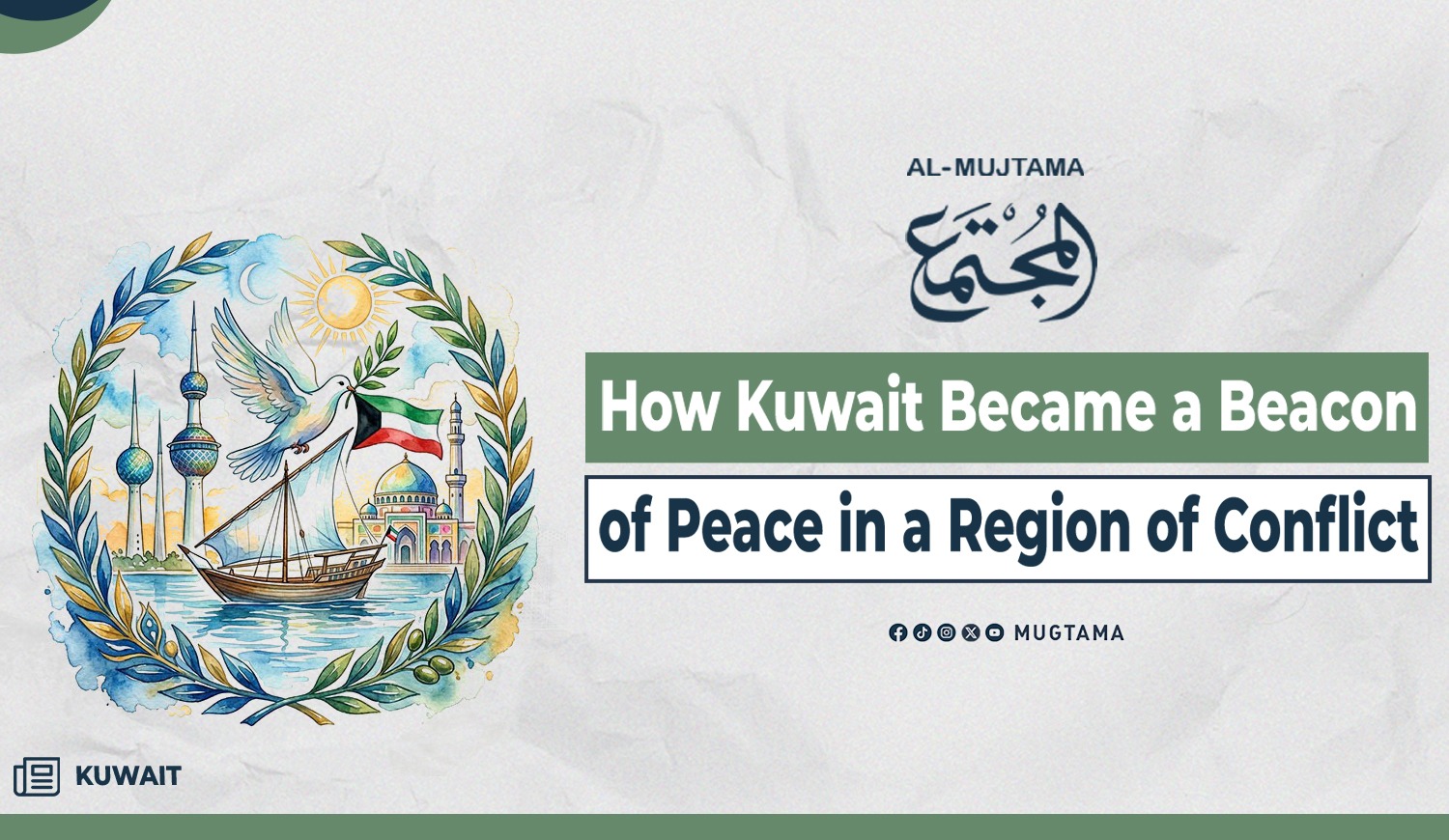
How Kuwait Became a Beacon of Peace in a Region of Conflict
At the
heart of a geographical region long marked by tension and continuous conflict,
a small land emerges like a white void that absorbs crises and extinguishes
their flames. Over 65 years of independence, Kuwait has presented the world
with an exceptional model of a state that has never been content with merely
raising slogans of peace, but has translated them into living humanitarian actions.
Its
journey—still being written as these words are penned—has been crowned with
more than 30 international mediations aimed at stopping bloodshed. So how did
Kuwait tame the impossible? And how did it prove to the world that true
sovereignty lies in building, not destroying?
A Historic Ban on Aggression
Kuwait’s
love for peace was never a passing political stance or a decision governed by
shifting interests. Rather, it is a deeply rooted doctrine established by the
founding fathers, articulated following the historic speech in which Sheikh
Abdullah As-Salem As-Sabah called for strengthening bonds of friendship and
brotherhood with Arab nations, working together in solidarity for the good of
the Arab world and the realization of its aspirations.
And
because history has proven that noble intentions hold no value without a legal
framework to protect them, this humanitarian vision was enshrined in Article
(68) of the 1962 Constitution, decisively defining the state’s identity: “The Emir
declares defensive war by decree; as for offensive war, it is prohibited.”
A clear
declaration that demonstrates to the world that Kuwait never initiates
aggression, and limits itself to the legitimate right of self-defense,
safeguarded by the force of law.
Firefighting Diplomacy
Building
upon its firm doctrine of peace and noble constitutional charter, Kuwait
adopted what became known as “firefighting diplomacy,” dedicating itself to
extinguishing conflicts in the most volatile regions.
Its first
field steps began in 1965 by helping calm the crisis in Yemen. It then
intervened with wisdom to stop the bloodshed during the “Black September” in
the Hashemite Kingdom of Jordan in 1970. Its efforts later expanded to include
complex mediations in the conflicts between Pakistan and Bangladesh.
In modern
history, specifically in 2017, Kuwait led a
remarkable shuttle diplomacy effort to prevent the collapse of the Gulf unity
and protect it from disintegration. It continued its path as a voice for the
oppressed and a solid diplomatic shield defending the rights of the Palestinian
people within the halls of the United Nations Security Council.
Rebuilding the Aggressor After the
Invasion
The
harshest test of a nation’s commitment to peace is when it faces betrayal from
where it once expected safety. In 1990, Kuwait endured a brutal invasion that
plunged it into darkness and suffering for nine months.
Despite
the depth and severity of its wounds, the state refused to fall into the swamp
of revenge—even when the opportunity presented itself. It refused to sever the
artery of giving to opposing nations during times of conflict, thereby breaking
the law of the jungle.
In 2018,
Kuwait hosted the “Iraq Reconstruction Conference,” through which Iraq received
$30 billion for rebuilding—setting a rare historical precedent that showed the
world how great nations rise above, healing today the wounds inflicted by those
who once caused them.
Global Recognition and Kuwait’s Vision
for the Future
Kuwait’s
legacy of peace and humanitarian giving led the international community in 2014
to grant it the title of “Humanitarian Center.”
Today,
Kuwait does not stop at the achievements of the past. It opens the doors to the
future through “Vision 2035”—a journey of resilience and peace led by a Kuwaiti
generation raised upon a fundamental principle rooted in the compass of
“Mubarak” the Great: Kuwait builds and does not destroy; it enlightens and does
not oppress.
Clear
constitutional texts that prohibit aggression, and
billions spent with sincerity to rebuild nations and stop bloodshed—this is a
unique experience that has proven to the world that true power lies in wisdom,
that sovereignty is manifested through doing good, and that Kuwait will always
remain—by the protection of Allah and its righteous actions—the sun of humanity
that never sets, and the banner of peace that will never bow.
For Further Reading:
- 6 Effective Kuwaiti Strategies in Confronting Iranian Aggression
- 8 Key Points in Kuwait’s Letter to the United Nations on the Iranian Aggression
- Gargee’an…and 10 Cultural and Social Landmarks
-------------------------------------------------------------