








Age Gap in Marriage: Does Age Matter More Than Compatibility?
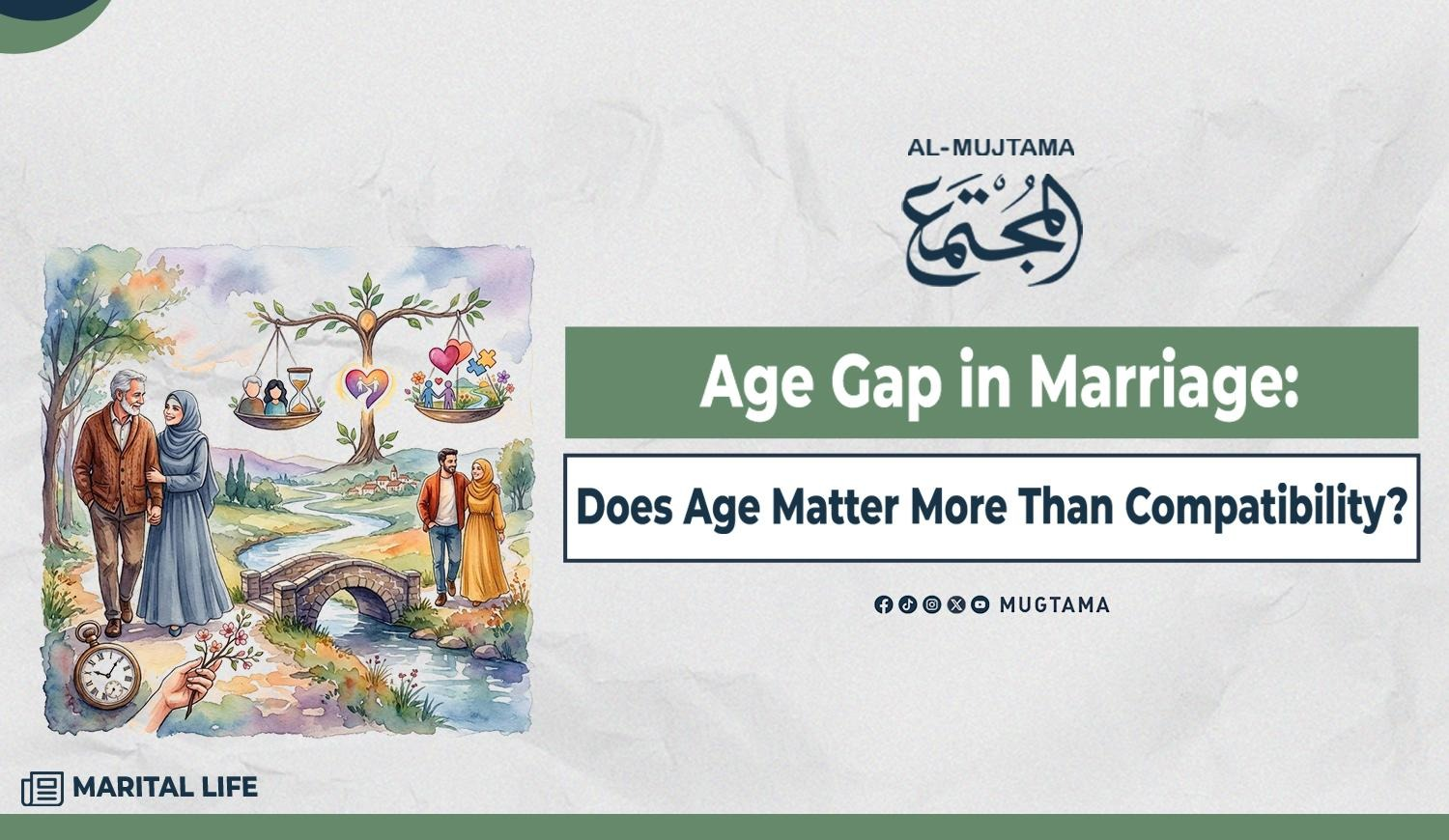
Age differences between spouses
have traditionally been viewed as a matter of personal preference. Today,
however, they have become a point of debate among younger generations, raising
broader questions about what makes a relationship last.
Do partners have an equal say in
important decisions? Are they genuinely compatible, or can differences in
experience, financial resources, and social standing create an imbalance that
undermines their relationship?
These questions reflect changing
attitudes towards marriage and a growing public conversation about personal
autonomy and equality between partners. Age is increasingly considered alongside
other factors, including where each person is in life, what they hope to
achieve, and the kind of future they want to build together.
How Have Marriage Patterns Changed Over Time?
Data from the United States
suggests that spouses have become closer in age over the past century.
According to the Pew Research Center, the average age gap between husbands and wives
fell from 4.9 years in 1880 to 2.2 years in 2022. In that same year, 51% of
married couples were within two years of each other in age.
This long-term shift points to
the growing prevalence of marriages between people of similar ages. It also
helps explain why age-gap relationships are increasingly discussed in terms of compatibility rather
than numbers alone. Differences in life stages, family plans, career
expectations, and ideas about stability can all shape how partners experience
married life.
For instance, someone just
beginning their professional career may struggle to align their plans with a
partner approaching retirement. The challenge, however, may have less to do
with age itself than with differences in priorities and everyday circumstances.
Couples can navigate such differences when they share a clear understanding of
their goals and recognize their responsibilities towards one another.
What Do Young People Look for in a Partner?
Surveys offer some insight into
the qualities younger adults value in a potential partner. A 2025 British
survey of 2,000 people aged 18 to 35, conducted by the Marriage Foundation, found that honesty ranked highly among desirable qualities.
It was considered very important by 86% of women and 74% of men. Kindness,
friendship, attentiveness, and considerate behavior also featured among the
qualities respondents appreciated.
These findings highlight the
importance of trust and respect in building lasting relationships. Attraction
may draw two people together, but sustaining a marriage requires honesty, open
communication, and the maturity to work through disagreements. Couples also
need to discuss the decisions that will shape their shared future, from having
children and pursuing careers to managing finances and dividing family
responsibilities.
Compatibility, then, involves
practical questions as much as personal feelings. Can both partners express
their views freely? Are decisions made through mutual understanding? Do they
share a vision of the life they hope to build together?
How Does Islam Guide the Choice of a Spouse?
Islam does not
make a small age gap a condition for a valid marriage. Rather, it emphasizes
faith and character while recognizing the importance of mutual acceptance,
compatibility, and the ability to fulfil marital responsibilities.
The Prophet Muhammad (peace and
blessings be upon him) said: “A woman is married
for four things, i.e., her wealth, her family status, her beauty and her
religion. So you should marry the religious woman (otherwise) you will be a
losers.” (Sahih Al-Bukhari, 5090)
The Quran also places tranquility,
affection, and mercy at the heart of marriage: {And one of His
signs is that He created for you spouses from among yourselves so that you may
find comfort in them. And He has placed between you compassion and mercy.}
[Ar-Rum 30:21]
These principles call on spouses
to uphold one another’s rights and treat each other with respect and
consideration. A healthy marriage should not become a means of exploiting
differences in experience, wealth, or social status. Instead, it should provide
a relationship in which both partners can contribute, make decisions, and
fulfil their responsibilities with affection and dignity.
Choosing a spouse wisely
therefore requires looking beyond attraction and outward circumstances.
Character, the way a person handles disagreements, and their willingness to honor
marital commitments all deserve careful consideration.
Compatibility Goes Beyond Age
Two people may have a significant
age difference yet share the same values and long-term goals. Conversely,
spouses of similar ages may have fundamentally different expectations of
marriage and family life. The strength of a relationship depends, in part, on
how well partners understand one another, whether decision-making is balanced,
and whether each person’s rights and boundaries are respected.
The growing debate over age-gap
relationships invites a closer look at the criteria people use when choosing a
spouse. Age is one factor to consider, but it cannot determine on its own whether
a marriage is likely to thrive. Sound character, mutual trust, genuine
compatibility, and a shared willingness to build a family founded on affection,
mercy, and responsibility remain essential to a lasting partnership.
