






How Dating Apps Are Reshaping Marriage Expectations
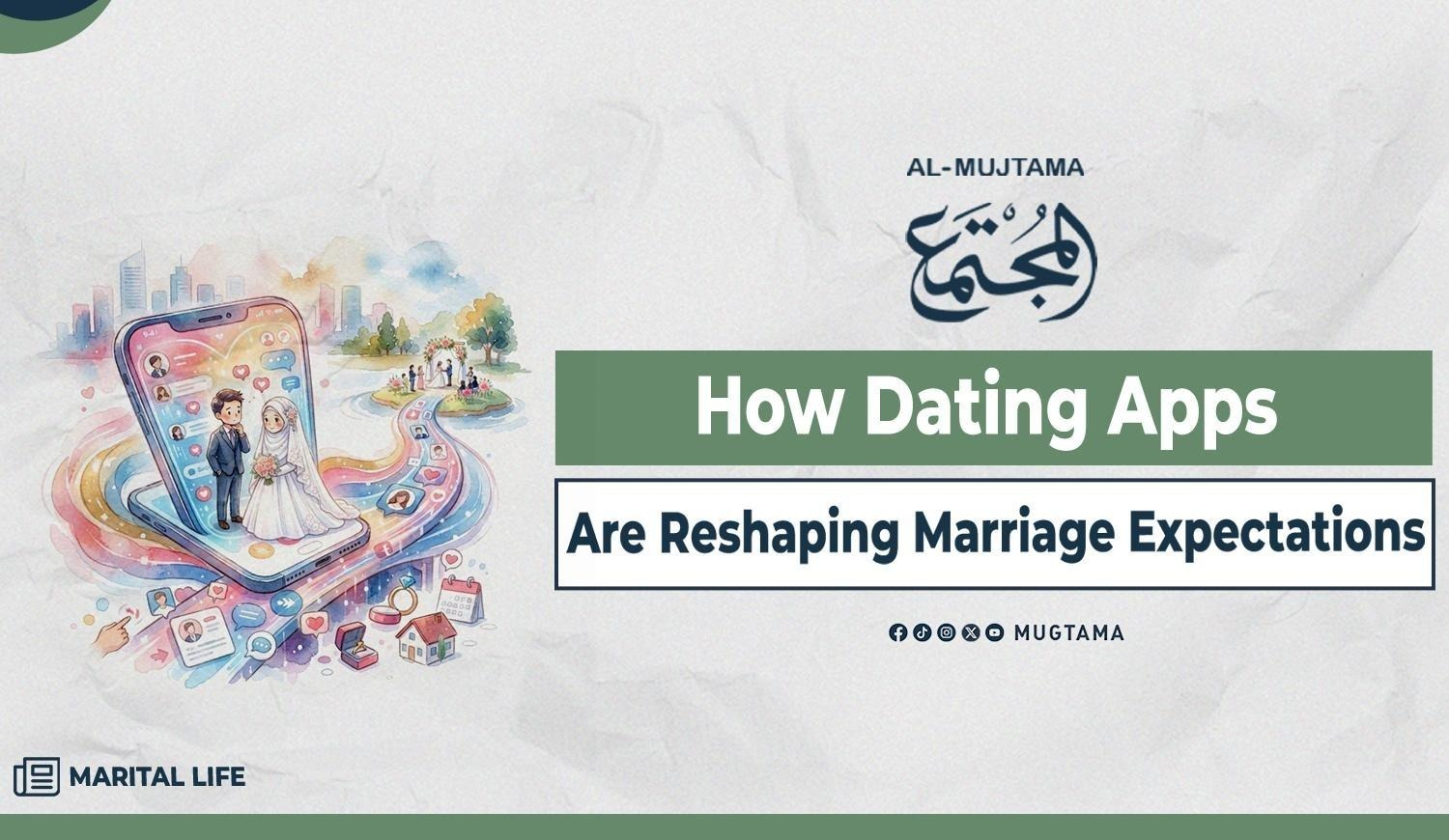
For the first time in history, many people no longer meet a
handful of potential spouses—they scroll through hundreds, sometimes thousands.
A single swipe can dismiss a person in seconds, while another promises someone
seemingly more attractive, more successful, or more compatible.
Dating apps have undeniably expanded opportunities to meet
people. For many, they have led to genuine marriages and lasting relationships.
Yet they have also quietly transformed something less visible: our expectations
of marriage itself.
The Illusion of the Perfect Match
Modern dating apps are built on abundance. Every profile
suggests that another option is just one swipe away. While this widens the pool
of potential spouses, it can also create what psychologists call the “paradox of choice”: the more options people have, the harder it becomes to feel
satisfied with any one decision.
Research reflects how deeply these platforms have become part
of modern relationships. According to the Pew Research Center, 53% of Americans under 30 have used a dating app
or website, and one in ten partnered adults says they met their current spouse
or partner online.
These numbers demonstrate that online platforms are no longer
a niche phenomenon—they have become a normal gateway to marriage.
The problem, however, is not technology itself. The problem
begins when endless choice produces endless comparison.
Instead of asking, “Is this person someone with whom I can
build a life?” many unconsciously begin asking, “Could there be someone
slightly better?”
Marriage gradually shifts from building a partnership to
searching for perfection.
Expectations That Reality Cannot Sustain
Every marriage begins with hopes. Islam does not discourage
hope; it encourages believers to seek righteous spouses and pray for tranquil
homes. But hope differs from fantasy.
Many people enter marriage carrying expectations shaped not by
real families but by carefully curated online profiles, romantic entertainment,
and social media highlights. They expect uninterrupted emotional excitement,
effortless compatibility, and a spouse who fulfills every emotional need.
Reality inevitably disappoints those expectations. Every human
being carries flaws, weaknesses, stressful days, and habits that cannot be
discovered from carefully selected photographs or polished biographies.
When expectations become unrealistic, ordinary human
imperfections begin to look like serious marital failures.
Islam Looks Beyond the Profile
Islam approaches marriage from an entirely different
direction. The Prophet Muhammad (peace be upon him) encouraged Muslims to
consider faith and character before outward attraction alone. Physical beauty
matters, but it was never intended to carry the weight of an entire marriage.
This wisdom feels remarkably relevant today. An algorithm can
recommend shared hobbies, favorite movies, or personality traits. It cannot measure patience during hardship, honesty in conflict, mercy during
disagreement, or sincerity before Allah.
These qualities reveal themselves only through responsible
acquaintance, family involvement where appropriate, honest conversations, and
time—not endless swiping.
Technology Is a Tool, Not a Foundation
Islam does not prohibit using technology to search for a spouse when it
operates within ethical boundaries.
Indeed, many Muslims today—particularly those living as
minorities in the West—may find it difficult to meet suitable partners through
family or community networks alone. Responsible matrimonial platforms can
therefore become a legitimate means of seeking marriage, provided they protect
privacy, encourage serious intentions, and remain within Islamic ethical
limits.
But technology should remain a bridge, not the foundation
itself. If marriage becomes another consumer experience, spouses risk being
evaluated like products rather than honored as human beings.
Choosing Commitment Over Endless Choice
Ironically, even as dating apps have expanded opportunities,
public opinion about their impact remains mixed. Pew Research found that while 42% of Americans believe dating apps have
made finding a long-term partner easier, many users—especially recent
users—also believe these platforms can make finding lasting commitment more
difficult.
Perhaps this reflects a deeper truth. Successful marriages are
rarely built because two people found someone with no imperfections. They
endure because two imperfect people committed themselves to growth,
forgiveness, patience, and shared purpose.
Islam teaches that marriage is not the search for a flawless soulmate but a
covenant of mercy, tranquility, and mutual responsibility.
Dating apps may expand the search, but they cannot replace the
character, realism, and commitment that allow a marriage to flourish long after
the excitement of the first match has disappeared.