




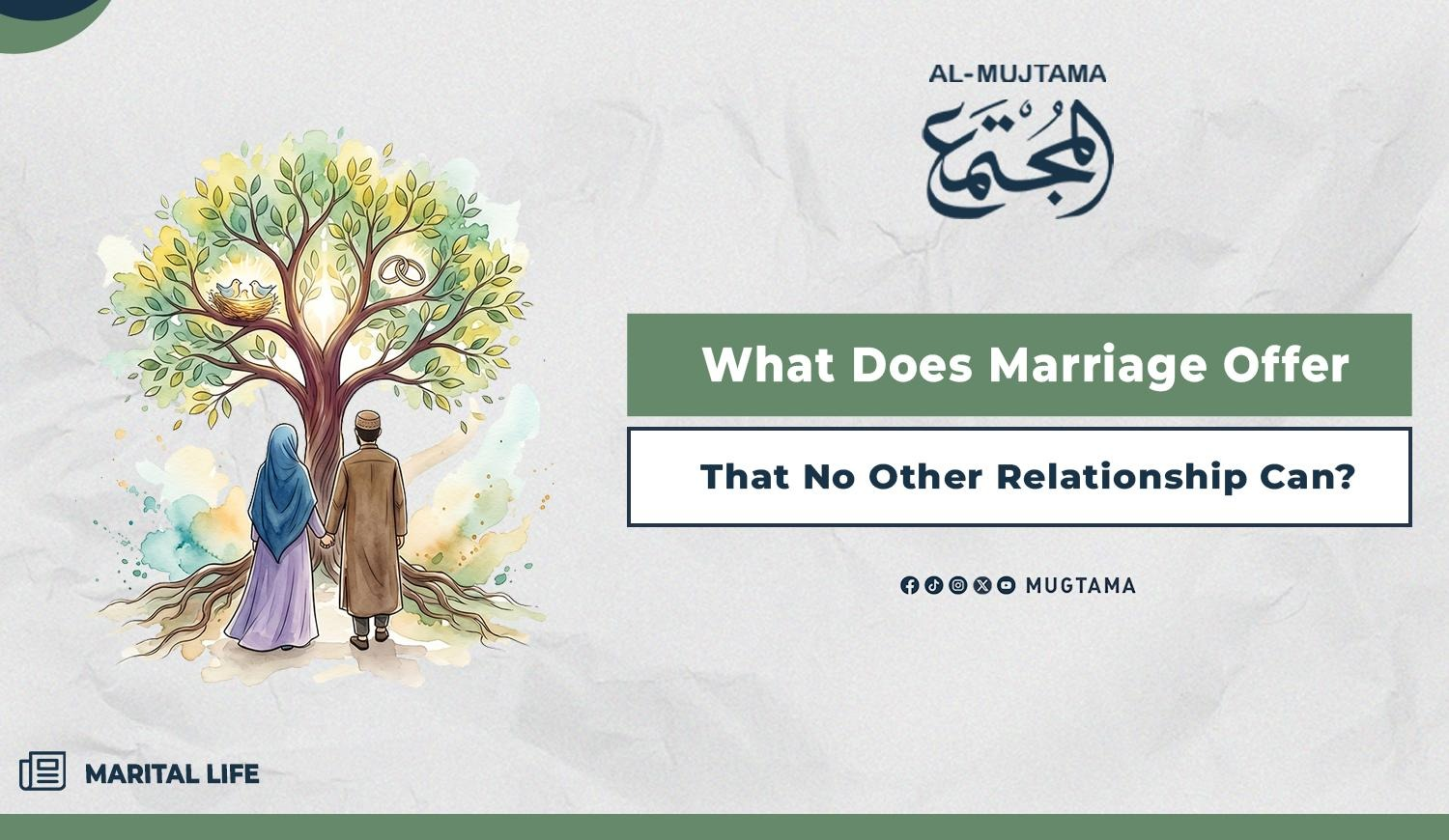
What Does Marriage Offer That No Other Relationship Can?
In an age of unprecedented
connectivity, many people have hundreds of online contacts, close friends,
professional networks, and social communities. Yet despite all these
connections, loneliness remains
one of the defining struggles of modern life.
This raises an important question: if
human beings can find companionship through friendship, family, or community,
what is it that marriage offers that no other relationship can?
From an Islamic perspective, marriage is not
merely a legal contract, a social arrangement, or a romantic partnership. It is
a unique human bond that combines emotional intimacy, spiritual companionship,
physical closeness, mutual responsibility, and lifelong commitment in a way no
other relationship does.
The Search for Connection in a Lonely
Age
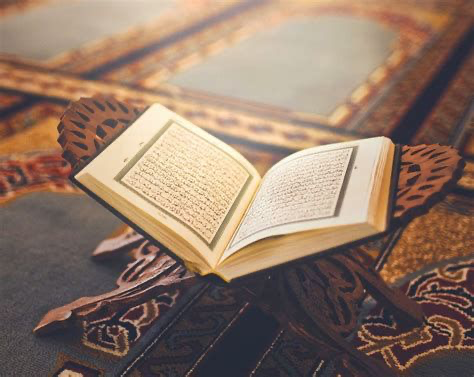
The Quran captures this uniqueness in
a remarkable verse: { And one of His signs is that He created
for you spouses from among yourselves so that you may find comfort in them. And
He has placed between you compassion and mercy.} [Ar-Rum 30:21]
The key word in this verse is comfort
(sakinah). Marriage is meant to be a place where the human soul
comes to rest. A person may be respected by colleagues, supported by friends,
and loved by family members, yet still long for the kind of emotional refuge
that only a spouse can provide.
A friend may understand part of your
story. A parent may care for you deeply. A colleague may stand beside you in
difficult moments. But marriage creates something different: a shared bond in
life. Two people carry one another's hopes, fears, successes, disappointments,
and daily burdens. They become partners not for a season but for a lifetime.
Marriage as a Place of Tranquility
The Quran describes this closeness
with a powerful image: {Your spouses are a garment
for you as you are for them.} [Al-Baqarah 2:187]
A garment
protects, covers, comforts, and remains closest to the body. In the same way,
spouses become each other's source of protection, dignity, support, and
emotional security. Few relationships require such vulnerability, and few
relationships offer such profound acceptance.
Marriage is also unique because it
harmonizes dimensions of human nature that are often separated elsewhere. It
brings together affection and commitment, rights and responsibilities,
spirituality and physical intimacy. Islam does not view these aspects as
competing forces but as complementary parts of a healthy human life.
This balance is particularly important
in a culture that often swings between two extremes: reducing relationships to
physical attraction on one hand, or treating personal independence as more
valuable than lasting commitment on the other. Marriage offers a different
vision. It channels human desires toward loyalty, responsibility, and the
building of a stable home.
Marriage as a School of Love, Sacrifice,
and Character
At its best, marriage becomes a school
of character. It teaches patience, sacrifice, forgiveness, generosity, and
empathy. The daily act of putting another person's needs alongside your own
transforms the individual in ways that casual relationships rarely can. Love
grows deeper when it is sustained not only by feelings but by commitment and
shared responsibility.
The Prophet Muhammad (peace be
upon him) highlighted the value of a righteous
spouse when he said: “After fear of God a
believer gains nothing better for him than a good wife who obeys him if he
gives her a command, pleases him if he looks at her, is true to him if he
adjures her to do something, and is sincere towards him regarding her person
and his property if he is absent.” (Reported by Ibn Majah)
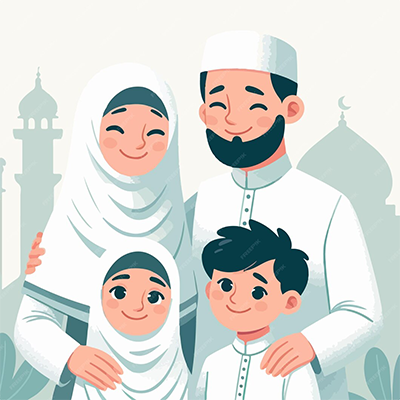
Such a spouse is not merely a romantic
partner but a companion in faith, a source of comfort, and a supporter through
life's uncertainties.
Ultimately, what makes marriage unique
is not simply that two people love one another. It is that they create together a sanctuary of
affection, mercy, trust, and belonging. In a world where many relationships are
temporary and conditional, marriage offers something increasingly rare: a place
where a person is truly known, truly accepted, and truly at home.
That is why the Quran presents marriage not merely as a social institution but as one of the
signs of Allah—a sign that points to one of humanity’s deepest needs: the need
to love and be loved within a bond built on tranquility, mercy, and lasting
commitment.
For Further Reading:
- 5 Keys to Resolving Marital Loneliness in Islam
- Rights and Duties Between Spouses in Islam
- 15 Wedding Night Etiquettes in Islam
-------------------------------------------------------------