





Protracted Houthi Siege of Taiz: Healthcare Paralyzed, Education Eroded, and Identity Under Threat
Taiz Governorate is
witnessing an unrelenting escalation amid the ongoing, suffocating Houthi siege,
perpetuating a recurring narrative pushed by the militia’s leadership and media
outlets since the 2015 blockade to flatly deny any siege on the city. Despite renewed
public denials from the group’s leader, on-the-ground realities and UN reports belie
these claims; the United Nations has officially confirmed the closure of all
main crossings and arterial roads leading into Taiz, choking off commercial and
humanitarian supplies due to military operations and field restrictions.
Healthcare Sector Paralyzed Amid Catastrophic Threat to Medical
Services
The airtight severance
of the city’s lifelines has triggered a severe deterioration of the
healthcare system, bringing it to the brink of total collapse, according
to official and UN data and statements:
1. Shutdown of Medical
Facilities:
The Governor of Taiz announced that only 20% of the city's hospitals remain
operational, while hundreds of medical facilities have completely ceased
operations, urging the international community to intervene urgently to open
safe corridors.
2. Deprivation of the Most
Vulnerable:
UN Spokesperson Stéphane Dujarric stated that approximately 250,000 people have
been deprived of basic healthcare, including over 186,000 children and 23,000
pregnant women, with 12 hospitals facing the risk of closure or service suspension—prompting
the organization to coordinate a 90-day emergency response plan.
3. Neonatal Incubator Crisis: Through the Siege Affairs
Office, the Yemeni-Swedish Hospital warned of the shutdown of neonatal
incubators due to the blockade on fuel and medical supplies—slashing incubator
capacity from 40 down to just 10 units.
4. Collapse of Maternity
Centers:
The October 14 Mother and Child Center recorded a sharp drop in monthly
deliveries handled, plummeting from 20–30 cases to just 5, driven by the
suspension of international aid and diesel shortages, amid widespread acute
malnutrition and anemia among pregnant women and children.
The Sanitation Crisis and Systematic Environmental Warfare
The Houthi militia has weaponized
the environmental file as an additional tool to strangle the city,
triggering a severe crisis of piling garbage and clogged floodwater
culverts:
1. Environmental Reality and
Escalation:
Waste has accumulated in floodwater channels and across Taiz’s streets after
the militia blocked sanitation trucks from reaching the designated landfill in
Al-Saleh Gardens.
2. Urgent Press Statement: Chaired by Dr. Ilan
Abdulhaq, the governorate’s Health and Environmental Affairs Committee held an
emergency meeting, announcing that the temporary preventive landfill has
reached near capacity. The committee approved transferring the waste to
Al-Saleh Gardens starting Tuesday morning, November 3, 2026, holding the
Houthis fully responsible for any obstruction.
3. Field Documentation and
Obstruction:
Accompanied by sanitation workers and heavy equipment, Dr. Abdulhaq headed to
the landfill site to debunk the militia’s narrative of unhindered access.
However, Houthi militants intercepted the team and prevented them from
offloading the trucks at the landfill, forcing them to dump the loads as a last
resort inside the slaughterhouse yard—where they drafted a field affidavit
confirming the direct obstruction.
Disruption of the Educational Process and Deprivation of Students
Military escalations and the
encirclement of districts have directly impacted the education sector, with the
Governor of Taiz stating that half a million students have been deprived of
continuing their education:
1. Forced Administrative
Fluctuations:
October 2026 saw forced policy reversals aimed at safeguarding students’ lives.
The Education Office announced the suspension of classes on October 4 and 5,
followed by a decision from Taiz University to suspend classes across its
city-based faculties from October 4 to 8, while delegating authority to its
outlying branches to take appropriate measures.
2. Indefinite Suspension: Despite an attempt to resume
classes on October 5 in the Al-Qahirah, Al-Mudhaffar, and Salh districts,
renewed escalation forced the Education Office on October 10, 2026, to announce
an indefinite suspension of classes across all districts of the
governorate—jeopardizing exams, curriculum completion, and graduation
prospects.
Economic Displacement and a Deepening Humanitarian Crisis
Reports by the International
Organization for Migration (IOM) have highlighted the severe livelihood
hardships gripping the governorate, including:
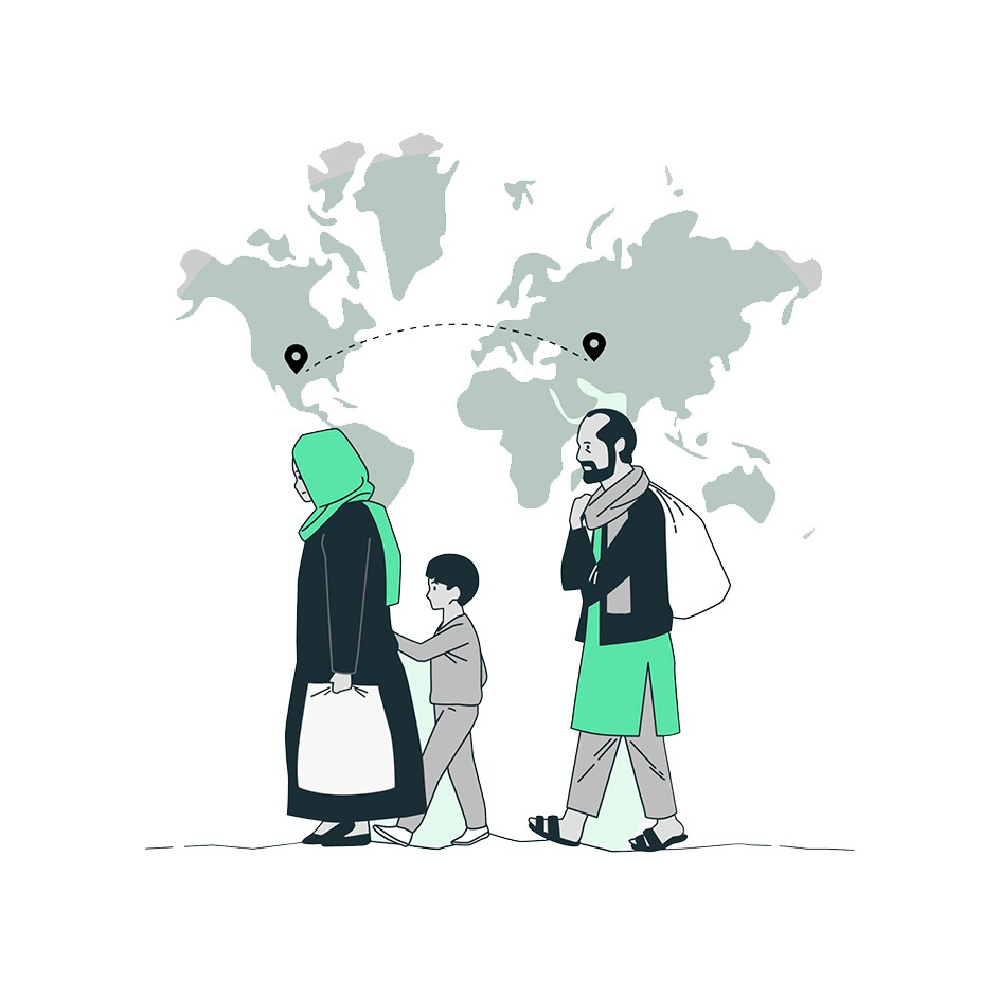
1. Mass Displacement Waves: Over 300,000 people have
been forced to flee due to the Houthi escalation, the majority within the past
two months.
2. Soaring Cost of Living: Prices of basic commodities
and essential goods inside Taiz city have surged sharply, multiplying three- to
five-fold.
3. Restricted Access to Food: Road closures and the
isolation of districts have pushed food out of reach, amid severe funding
shortfalls for the humanitarian response.
4. UN Testimonies: IOM Yemen Chief of Mission
Abdusattor Esoev confirmed that displaced families are forced to flee with
nothing but the clothes on their backs, in desperate need of shelter, food, and
clean water.
Doctrinal Shifts and Attempts to Alter Religious Identity Under the
Houthi Siege
Paralleling their military
and environmental tactics, the Houthis are leading systematic efforts across
rural Taiz and the West Coast to alter the community's religious and social
identity, including:
1. Replacement of Imams and
Preachers:
Documentation confirms the replacement of 21 officially registered imams and
preachers in the Jabal Habashi, Al-Mawasit, and Ash-Shamayatayn districts with
Houthi loyalists mandated to deliver sectarian and political sermons.
2. Altering Religious Rituals
and Practices:
Introducing the Houthi "Sarkha" (death-chant) slogan after Friday
prayers, and imposing the phrase "Hayya 'ala khayr al-'amal"
("Hasten to the best of deeds") into the call to prayer at mosques in
predominantly Shafi'i areas, such as the village of Dhi Al-Balas in Bani Ahmed.
3. Mobilization and Community
Clashes:
Organizing ideological mobilization drives inside mosques—such as in the
Al-Mukayshah area of Qadas, which sparked protests and led to the arrest of
nearly 20 residents after a vehicle belonging to the mobilization team was set
ablaze.
4. Seizure of Facilities and
Subjugation of Endowments: Storming the Umm Al-Mu'minin Khadijah Quran Memorization Center in
Mawza and converting it into a private rest house, alongside placing mosques
under the oversight of the Sana'a-based General Authority for Endowments, which
announced allocating 60 million Yemeni rials to equip 300 mosques along the
West Coast to entrench its influence.
5. Future Ramifications: The group’s shift from
military control to religious interference portends sharp sectarian
polarization, the erosion of local religious authorities, and heightened
tensions that threaten long-term social peace and coexistence.
Comprehensive data confirms
that Taiz is enduring one of its most severe waves of field restrictions and humanitarian
deadlock. The interlocking mechanisms of medical, environmental, and
educational blockades—compounded by social and religious pressures—place over
two million people in the path of imminent peril, demanding a decisive response
from the international community and humanitarian agencies to lift the siege
and salvage essential services.
