









5 Facts About Malicious Parenting and Its Impact on Children

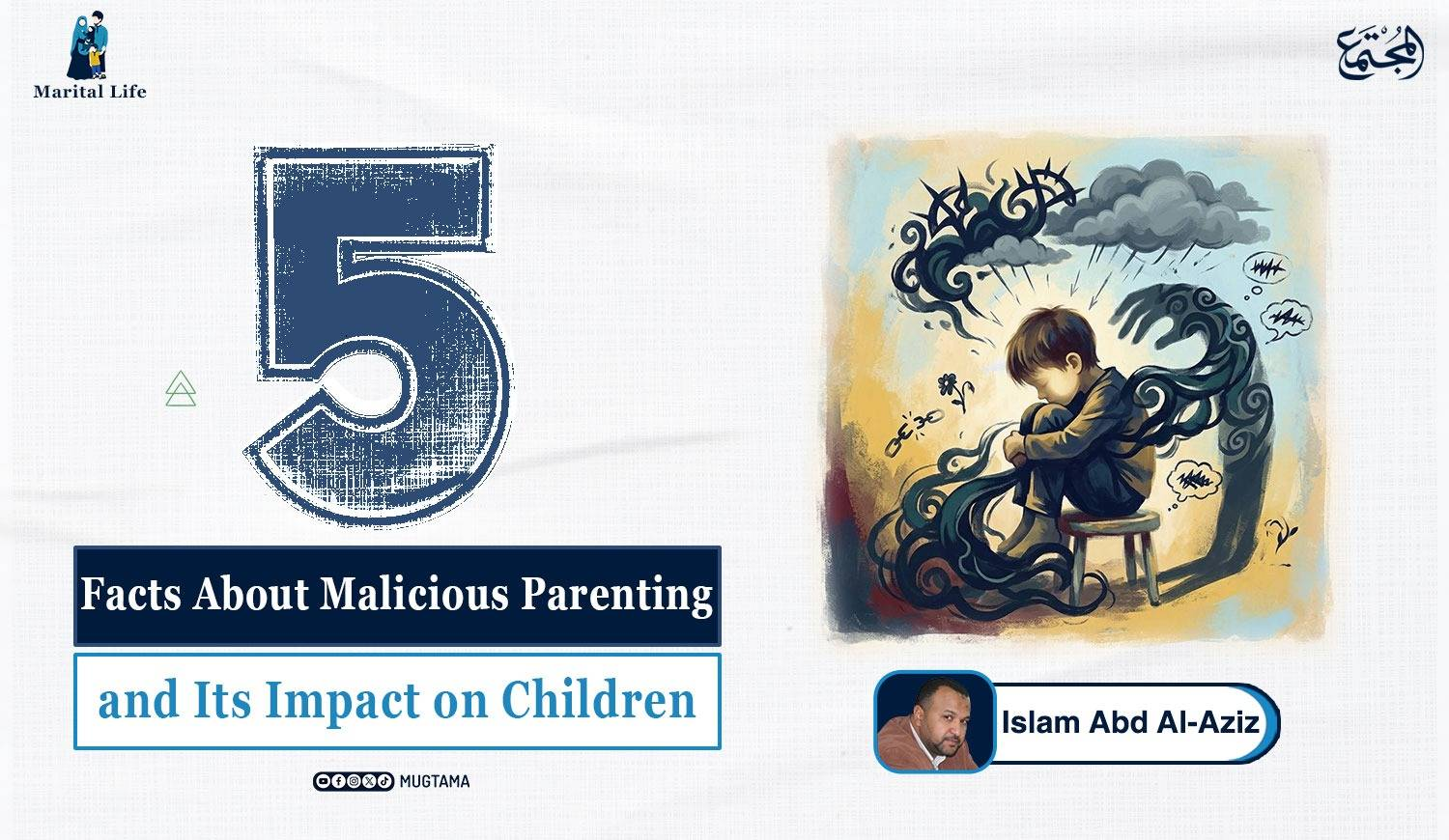
The
consequences of divorce and family breakdown can escalate in some families and
communities, giving rise to what may be described as “malicious parenting”: a
form of parenting driven by a spirit of revenge against the other parent, with
harmful consequences for the children.
Marital
disputes and conflicts surrounding separation, financial support, and child
custody may lead some fathers or mothers to adopt harmful and extreme behaviors
towards their former partners.
News
reports have occasionally featured cases in which one parent causes permanent
disability to the other or becomes involved in a physical assault, all in
pursuit of revenge, without recognizing the danger such actions pose to their
children’s future.
Psychologist
Richard Warshak uses the term “divorce poison” to describe this phenomenon. He
believes it may develop in some couples as a result of a combination of
personal anger and a desire for revenge.
The Dangers of Malicious Parenting After
Divorce
One
mistake in cases of separation and divorce is to close the door entirely on the
possibility of reconciliation and family reunification. This possibility
becomes completely unlikely when malicious parenting takes hold, severing all
bonds of goodwill and spreading hostility, hatred, and revenge.
Family
and social relations experts advise taking preventive measures
against the dangers of malicious parenting by maintaining a degree of mutual
respect, taking children’s psychological well-being into consideration, and
avoiding using them as weapons of revenge or as a battleground for settling
scores.
A 2006
American study found that those exposed to such behavior suffered significantly
and over the long term from depression, low self-esteem, drug addiction, and
difficulty trusting others. They also experienced disrupted romantic
relationships and a distorted understanding of healthy relationships.
Facts About Malicious Parenting and Its
Impact on Children
To help
you understand and avoid this behavior, here are five facts about malicious
parenting and its dangers.
First: In the 1980s, American psychiatrist Richard Gardner
coined the term “Parental Alienation Syndrome” to describe situations in which
children become emotionally aligned with one parent under the influence of the
alienating parent. This behavior is associated with a desire for revenge and a
lack of emotional maturity on the part of one parent.
Second: In 1995, American psychotherapist Ira Turkat used the
term “Malicious Mother Syndrome in Divorce” to describe certain behaviors
exhibited by mothers during marital conflicts or after divorce. In such cases,
a divorced mother may seek to damage the father’s image in the eyes of the
children and undermine their emotional relationship with him.
Third: Malicious parenting can involve either parent. A
father or mother may exploit their parental position to reinforce a negative
image of the other parent, effectively demonizing them and encouraging the
child to seek revenge against them.
Fourth: The desire for revenge after divorce may escalate to
the point where a mother harms or even kills her children in order to take
revenge on her former husband, under the pretext that he deserves to lose
everything. This is an extreme form of revenge, yet news reports in some Arab
countries feature such cases from time to time.
Fifth: When children are exposed to such extreme behaviors,
they may suffer long-term psychological and emotional disturbances. They may also be deprived of a normal,
balanced relationship with both parents. A child can become more than just a
victim and may be drawn into the conflict itself. The child may even resort to
stealing and lying to compensate for the deprivation they experience.
-------------------------------------------------------------
