






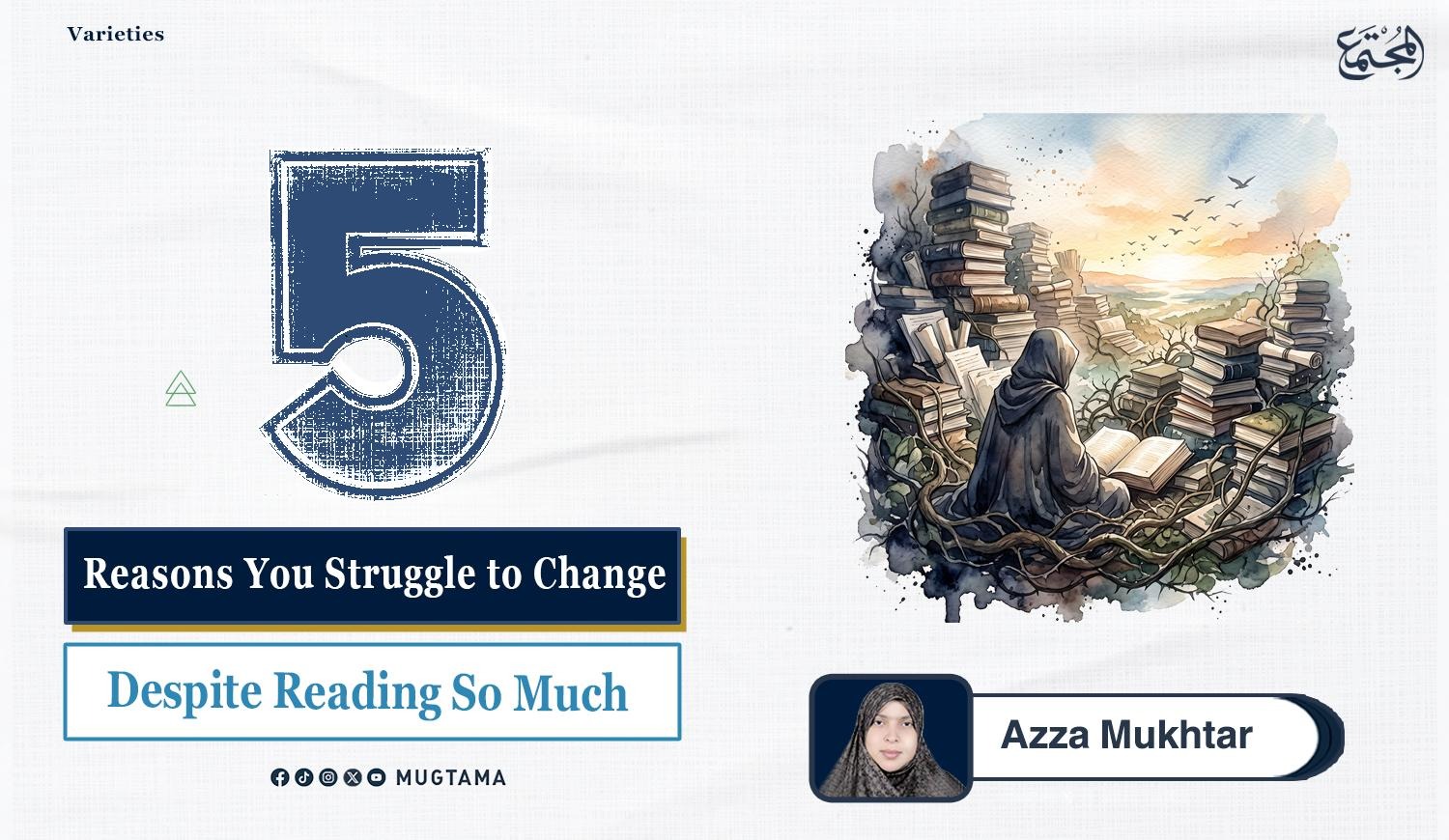
5 Reasons You Struggle to Change Despite Reading So Much
In reality,
many people read extensively across a wide range of subjects, yet their lives
do not change nearly as much as the number of books they read might suggest.
Have books failed them? Or do we sometimes expect books to do for us what we
are unwilling to do for ourselves? What are the reasons we finish a book only
to find ourselves exactly where we started?
1.
When Reading Becomes an End in Itself
For some
people, the means gradually become the end. Finishing a book becomes their
primary goal, and they take great satisfaction in completing it simply to add
another title to their reading list. Yet what can quietly consume years of your
life is allowing this pursuit to become a substitute for genuine achievement.
Someone might
read a book on time management, feel so inspired by its practical advice that
they almost believe they have already put it into practice. Another might read
about the habits of highly successful people, enjoy every idea, and yet fail to
adopt even one of those habits.
Knowledge can
sometimes give us a sense of achievement before we have accomplished anything
at all. This makes settling for knowledge alone particularly tempting. The
danger is that reading becomes a safe space in which we postpone confronting
ourselves. We learn how we ought to live, yet keep putting off the life we
ought to lead.
2.
When You Read to Validate Your Beliefs Rather Than Question Them
Our
personalities often reveal themselves in the books we choose. Some people are
reluctant to consider opposing viewpoints, so they gravitate towards books that
reinforce their existing beliefs. They choose what confirms that they are right
and makes them feel good about themselves, while avoiding anything that
challenges their convictions or invites them to reconsider their mistakes.
In this way,
reading becomes a one-sided conversation in which people hear nothing but their
own voices.
Yet the books
most worthy of our time are not necessarily those we agree with. They may be
the very books that make us pause, reconsider our assumptions, and acknowledge
that some of what we once believed to be true was not. Maturity is not measured
by how much more convinced of ourselves we become after reading a book, but by
our willingness to question ourselves when necessary.
3.
When You Collect Ideas Without Giving Yourself Time to Apply Them
Someone might
spend a single week reading about several virtues encouraged by Islam, such as
patience, gratitude, forgiveness, and other noble qualities, only to move on to
an entirely different subject the following week without giving a single lesson
enough time to become part of their daily life.
Having a wealth
of moral teachings stored in one's memory does not necessarily mean one has
benefited deeply from them.
Perhaps what we
need is less reading, more reflection, and greater effort in putting what we
learn into practice, until a virtue becomes firmly rooted in our character or
develops into a habit.
The lives of
the Companions of the Prophet (may Allah be pleased with them) offer a
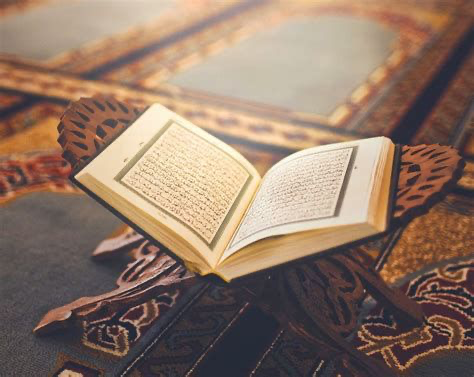
remarkable example of this understanding. For them, the Quran was never simply
a book to begin reading with the sole aim of reaching its final page.
This does not
mean that we should stop reading. Rather, it reminds us that receiving
knowledge must never be separated from understanding and action. What the
Companions learned did not remain confined to their memories; it translated
into worship, conduct, character, and everyday choices.
4.
When You Want to Know About Virtue Without Bearing the Cost of Practising It
Reading an
article or a book about patience is one thing; remaining patient when someone
provokes you is quite another. Memorising information and hadiths about the
virtue of humility is one thing; accepting criticism that challenges your
knowledge and standing is an entirely different test, one that requires genuine
self-discipline.
Putting
knowledge into practice confronts us with a real test. Some people enjoy
talking about good character but are unwilling to bear the demands that come
with living by it.
Allah says: {Do you preach righteousness and fail to practice it
yourselves, although you read the Scripture? Do you not understand?} [Al-Baqarah 2:44]
Such
contradictions have become particularly visible in our lives since the rise of
social media. How many people post about compassion, only to leave harsh and
cutting comments on other people's pages? How many speak passionately about the
importance of dialogue and intellectual diversity, yet insult those who
disagree with them and dismiss them as ignorant? And how many advocate kindness
and dutifulness towards parents, yet rarely remember to call their own?
5.
When You Fail to Make a Plan for Change Part of Your Reading
Change requires
more than a book; it requires a sincere determination to put what we learn into
practice.
Allah says: {Indeed, Allah would never change a people’s state ˹of favour˺ until they change their own state ˹of faith˺.} [Ar-Ra'd 13:11]
The first step
is to decide that you want to change. Once you have made that decision, seek
out the knowledge that can help you achieve the change you desire. Read with
purpose and attention, identify the specific areas of your life that need
improvement, and then begin putting what you have learned into practice.
Before
returning each book to a shelf already crowded with others, you should be able
to answer three questions:
- What is the one idea I want to
take away from this book?
- What behaviour am I going to
work on changing?
- In what situation will I put
this lesson to the test?
We need to
reconsider our relationship with reading and stop measuring its impact by the
number of books we finish, the ideas we can recall, or the quotations we share
with others.
A book cannot
save you from yourself. It cannot make decisions on your behalf, apologise for
you, or change a habit that has been deeply rooted in your life for years. What
it can do, however, is illuminate your path, give you the language to
understand yourself, and open a door you never knew existed.
But walking
through that door is your decision to make, not the book's.
-------------------------------------------------------------
