






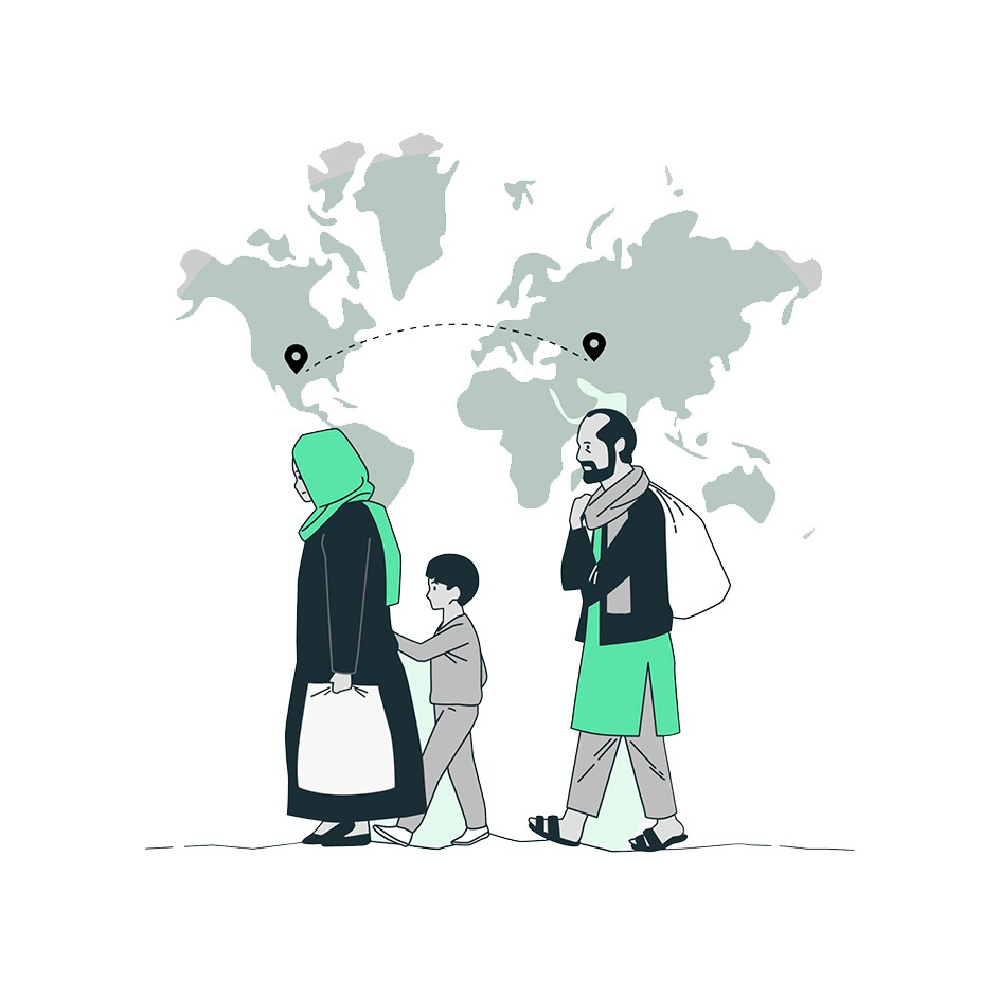


Yemenis Flee in Droves: Stories from a Scorching Summer

The number of
Yemenis fleeing their country for destinations abroad, particularly Egypt, has
been rising as extreme heat and persistent power outages continue to plague
Yemen. The crisis has become especially severe in the country's southern
regions, where electricity shortages have turned daily life into a struggle for
survival.
In response to
these deteriorating conditions, many Yemeni families are seeking refuge in
countries where basic services remain available, particularly during the summer
months, which typically last from early June through late September. During
this period, temperatures often exceed 45°C (113°F), accompanied by high
humidity that turns homes into virtual ovens. The situation has added another
dimension to the humanitarian crisis facing Yemen.
In the southern
governorates, power cuts can last up to 20 hours a day. Electricity generators,
meanwhile, have become a luxury beyond the reach of most residents. For older
people, patients with chronic illnesses, pregnant women, and nursing mothers,
remaining in the country can become a matter of life and death. For entire
families, surviving the scorching summer without reliable electricity or
essential services has become a daily battle against heat exhaustion and
suffocation.
Behind this
growing wave of migration, documented in reports by international
organizations, lies a complex crisis rooted in collapsing infrastructure and
years of government failures. Yemen has already been devastated by war and
power struggles, and the consequences are now driving more families out of
their homes. Behind every family that leaves to escape the summer heat and
power outages is a story of selling possessions to afford plane tickets, forced
family separations, or children bearing the cost of fleeing circumstances they
did not create.
Perhaps most
painfully, this exodus is dividing society into two groups: those who can
afford to escape to places with reliable electricity and access to basic
comforts, and those left behind to endure increasingly unbearable conditions in
their own country.
Our
Homes Have Become Unbearable Ovens!
In interviews
with Al-Mujtama, several Yemeni families shared their experiences of enduring
suffocating summer temperatures. Many explained that Eid al-Adha often marks
the beginning of their temporary departure, with families heading to Egypt
shortly after the holiday to escape the scorching heat and relentless power
cuts.
Others said
that people with chronic illnesses cannot even wait until Eid to leave. Unable
to withstand the extreme temperatures and harsh living conditions, they are
forced to travel earlier, putting their health ahead of the opportunity to
celebrate the holiday with their families.
Explaining why
he came to Egypt, Jamil Al-Aqil, one of the founders of a Yemeni nasheed group,
said: "Every summer, our homes in Aden become unbearable ovens. My wife
and I both suffer from chronic conditions. We have diabetes and high blood
pressure, and I also have heart muscle weakness that has left me bedridden.
Electricity is cut off for hours on end, and when generator fuel is available,
it is prohibitively expensive. So we gathered whatever savings we could and
decided to travel to Egypt. At least here, we have a stable electricity supply.
The difference is enormous. It feels as though we have escaped from hell into a
place where we can actually live!"
Umm Waddah,
from Lahj Governorate, shared a similar experience. "I never imagined I
would leave my home, but we made that decision when my elderly mother began
suffering from kidney failure, and her condition worsened as temperatures rose.
Hospitals and medical equipment operate for only limited hours because of
frequent power outages, and medical supplies are also scarce. My cousin was
already in Egypt and encouraged us to come. Although the cost of travel and
living here is considerable for us, my mother's health is priceless."
Ahmed Al-Yafei,
a teacher from Abyan Governorate, said he once believed that nothing could be
worse than war, but the summer heat in his region proved otherwise.
"I am a
teacher, and our salaries have been suspended, but my children's health comes
first. My youngest son has asthma, and his condition worsens with the summer
heat, high humidity, and constant power cuts. His oxygen machine requires
electricity, and we cannot rely on generators to keep it running for long
periods. After consulting doctors, we were advised to move away from these
conditions. It was a difficult decision, but a necessary one. We arrived in
Egypt a month ago, and thank Allah, my son's condition has improved
considerably. Simply having a fan running throughout the night, or an air
conditioner on particularly hot days, can make the difference between life and
death for him."
Extreme
Heat Puts People with Chronic Illnesses at Greater Risk
Medical
evidence shows that extreme heat can aggravate chronic health conditions,
particularly heart disease, diabetes, high blood pressure, and respiratory
illnesses such as asthma. In recent years, Yemen has witnessed a notable rise
in the number of people living with these conditions.
According to
the latest figures from the Yemeni Drug Bank, more than 1.5 million people in
Yemen have diabetes. Meanwhile, an estimated 8% of the population suffers from
respiratory conditions such as asthma, according to World Health Organization
estimates. All these patients face heightened health risks amid extreme heat
and prolonged electricity outages.
A study
conducted at Yemeni hospitals, including Ibn Sina Hospital in Mukalla and the
Heart Hospital in Sana'a, also found that heart conditions associated with high
blood pressure accounted for 26.4% of cases. Heart valve diseases came next at
22.4%, followed by heart failure at 19.7% and ischemic heart disease at 17%.
Other studies
have identified high blood pressure as one of the leading causes of death
associated with chronic illnesses. For people living with these conditions,
exposure to extreme heat without access to reliable essential services poses a
serious threat to their lives.
Yemeni
Doctor: Extreme Heat Aggravates Chronic Illnesses and Can Lead to Sudden Death
Commenting on
the health risks, Yemeni physician Abdulqawi Omair, who runs Al-Iman Medical
Center in Al-Bayda, explained that chronic conditions such as heart failure,
respiratory diseases, kidney disorders, and diabetes can become significantly
worse during periods of extreme heat.
He noted that
many patients with these conditions take diuretics, which increase the risk of
dehydration and electrolyte imbalances, potentially triggering serious
complications that can sometimes result in sudden death.
Dr. Omair
explained that people with heart failure may struggle to regulate their body
temperature and eliminate excess heat, potentially resulting in a dangerous
drop in blood pressure or even acute pulmonary complications.
Patients with
chronic obstructive pulmonary disease (COPD) or asthma may also experience
greater breathing difficulties, particularly when exposed to dry air and when
their oxygen needs increase. For people with kidney disease, even mild
dehydration can accelerate the deterioration of kidney function and place their
health at greater risk.
People with
diabetes are equally vulnerable. Dehydration can raise blood glucose levels,
while heat may also increase insulin absorption, potentially causing a sudden
drop in blood sugar. This can lead to dizziness and, in severe cases, loss of
consciousness.
Extreme
temperatures can also affect blood pressure in people with hypertension,
sometimes causing a sudden drop that leaves patients feeling dizzy and
exhausted.
Ultimately,
fleeing to Egypt and other countries remains only a temporary solution for
Yemeni families. The rising costs of travel and accommodation, coupled with the
loss of income, make it impossible for many to sustain this arrangement
indefinitely.
What these
families need is not another temporary escape, but lasting solutions at home.
Restoring essential services, ensuring a reliable electricity supply, and
addressing the country's deep-rooted infrastructure crisis are vital steps
toward making it possible for Yemenis to return to their homes and live in
safety and dignity. Only then can Yemen begin to reclaim its promise as a
country of prosperity and well-being.
-------------------------------------------------------------
