









Spiritual Education: Nurturing the Self, Building Humanity

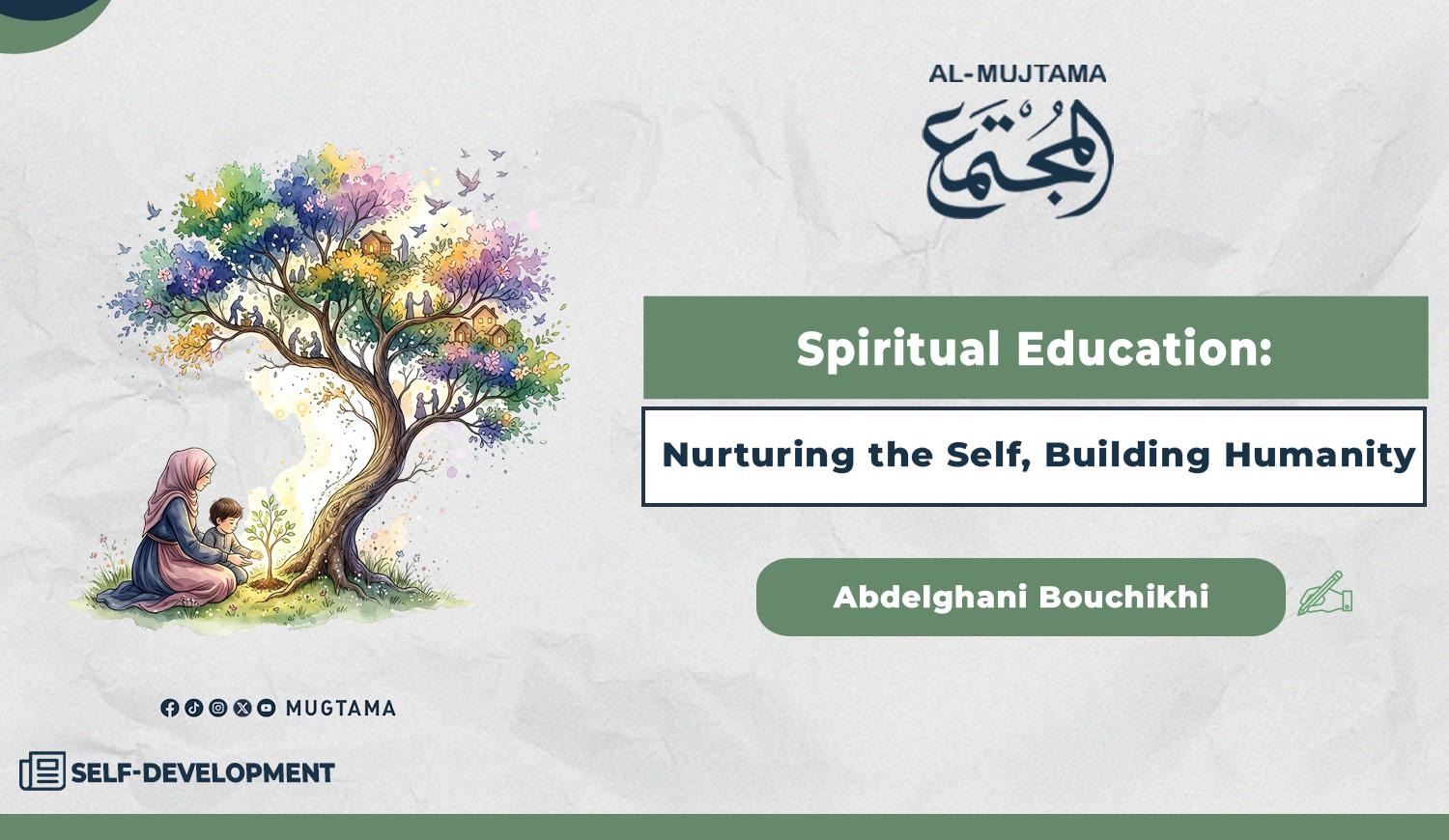
Human
development is not merely a matter of economic indicators or the acquisition of
knowledge and skills. Above all, it is about building the human being from
within: fostering greater self-awareness, self-discipline, respect for others,
and a sense of responsibility toward society and life.
This is where
spiritual education emerges as a profound approach to human development. It
contributes to shaping well-rounded individuals by addressing the values,
conscience, sense of purpose, and awareness of responsibility that lie beneath
outward behavior.
Spiritual
education does not mean withdrawing from life or becoming preoccupied with
abstract concepts at the expense of reality. Rather, it involves helping
individuals discover their inner dimensions, cultivate their desires, develop
the capacity for reflection and self-examination, connect knowledge with
conduct, freedom with responsibility, and success with values.
A person who
possesses knowledge without an ethical compass may succeed in achieving
personal goals but struggle to direct that success toward serving humanity and
society.
Building
the Human Being Beyond Academic Achievement
True human
development begins with nurturing individuals who are capable of developing
themselves. An educational approach focused solely on academic achievement and
skills may produce professionally qualified individuals, but it does not
necessarily guarantee balanced personalities capable of navigating
relationships, decisions, and personal convictions.
Schools,
families, and educational institutions must therefore restore the central role
of values-based education, conscience, tolerance, respect for human dignity,
responsibility, and the ability to engage in dialogue and coexistence.
Spiritual
education gives individuals the opportunity to reflect on themselves, reassess
their choices, understand their motivations, and overcome selfishness and
impulsiveness. In this sense, it is not detached from reality but rather a
means of strengthening psychological, social, and moral maturity, particularly
in an era when rapid-paced living, consumerism, digital pressures, and
relentless competition increasingly shape the way people think and relate to
one another.
Finding
Purpose Beyond Personal Success
Spiritual
education also helps cultivate a sense of purpose. Human beings need not only
to know what to do, but also to understand why they do it, what they are
striving toward, and how their actions affect themselves and others.
When work is
connected to purpose, success becomes more than the pursuit of personal gain.
It becomes a responsibility and a contribution to building a more humane life.
Values
Must Be Lived, Not Merely Taught
From an
educational perspective, children and learners need more than information; they
need living role models who embody values in their daily conduct. Honesty
cannot be taught through words alone, respect cannot be instilled through
sermons alone, and responsibility cannot be acquired from books alone. These
qualities are cultivated through practice, meaningful educational
relationships, and an environment in which learners experience values not as
slogans, but as a way of life.
Investing in
spiritual education should therefore not be regarded as an educational luxury,
but as an integral part of investing in human beings themselves. The more
successfully a society nurtures individuals who possess self-awareness,
self-discipline, respect for others, and a sense of responsibility, the better
equipped it becomes to achieve balanced and sustainable development.
Development
begins with the human being, and the human being begins from within. When
intellectual education is integrated with emotional, moral, and spiritual
development, education becomes better equipped to shape well-rounded
individuals who do not merely seek success in life, but also strive to make
that success a meaningful contribution to others.
Ultimately,
building the human being begins not with what they possess, but with the
values, awareness, and conscience they carry within. Any form of development
that does not make people more humane remains in need of a fundamental
reassessment of its goals.
-------------------------------------------------------------
