





Resilience Under Fire: 5 Tools of Jerusalemite Resistance Against the Occupation
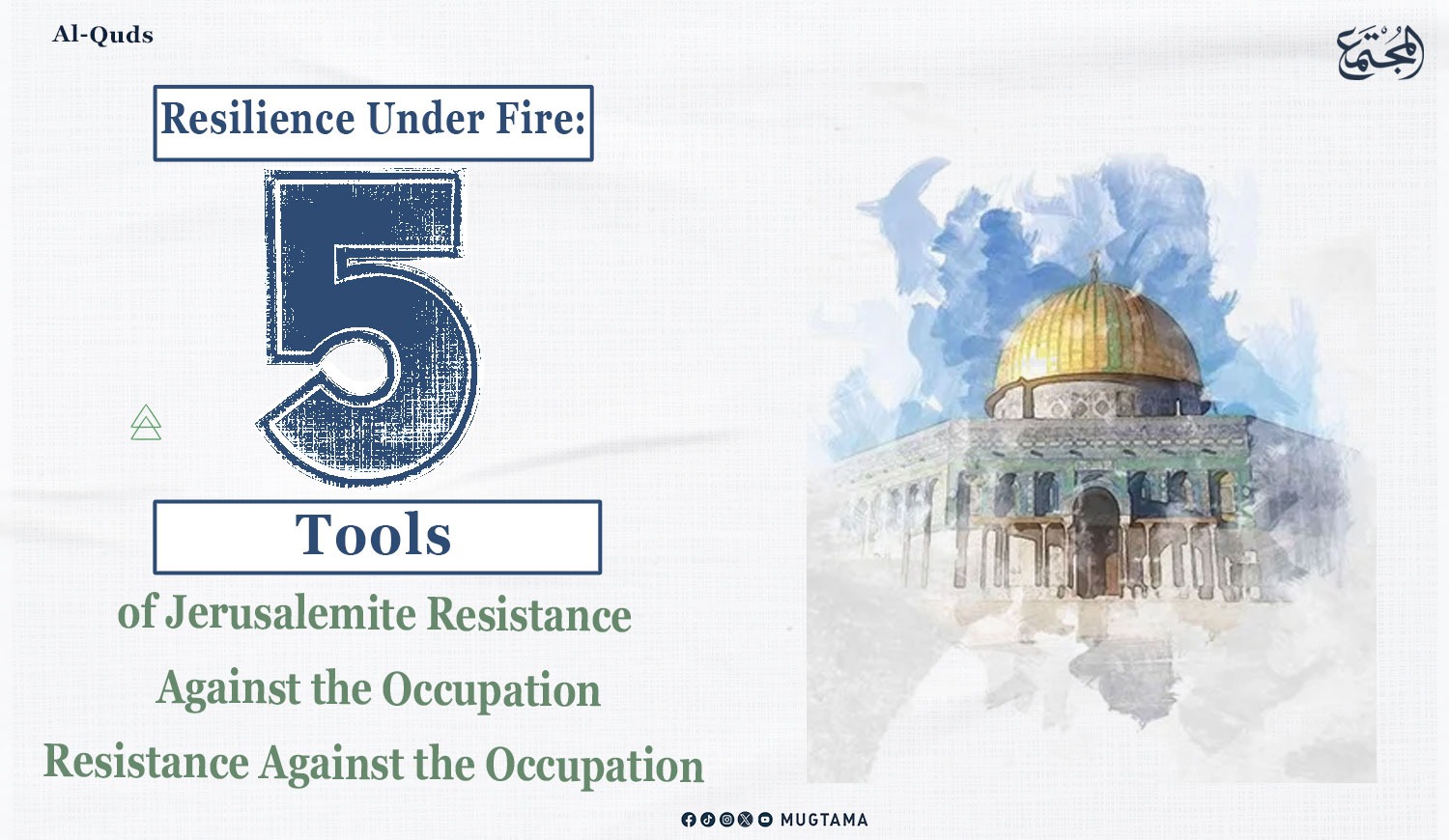
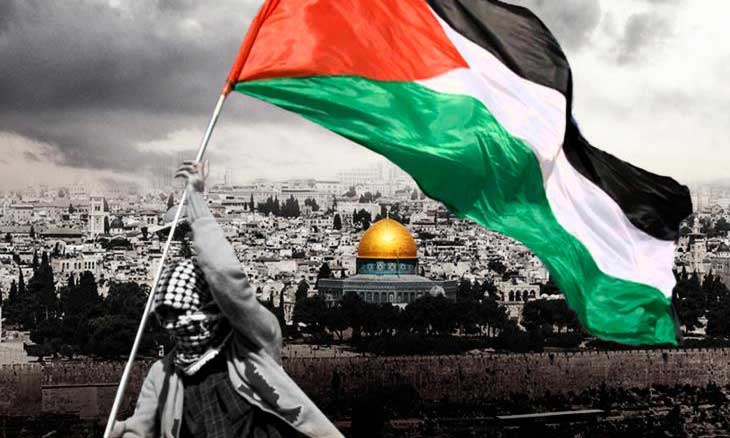
Jerusalem, and
particularly Al-Aqsa Mosque,
stands as the definitive symbol of Palestinian religious and cultural identity,
serving as an enduring arena of conflict against schemes of Judaization. In
this struggle, Jerusalemites remain the first line of defense, standing firm
against the Occupation’s attempts to impose temporal and spatial division.
The following are the key tools of
Jerusalemite resilience and resistance against the Occupation:
1. Maintaining a Permanent
Presence at Al-Aqsa Mosque
Standing as the critical bulwark against
Judaization, the act of Ribat ensures that the presence of worshippers and
defenders inside the Mosque and its compounds derails plans for temporal and
spatial partition. This steadfastness goes beyond religious devotion—it is a
political and on-the-ground force. It imposes a continuous equation of popular
deterrence that forces the Occupation to rethink its calculations before every
raid, creating a pulse of mass mobilization that provides Al-Aqsa with living,
breathing protection.
2. Confronting Settlement
Expansion and Forced Displacement
Jerusalemites play a pivotal role in
countering the eviction and displacement operations targeting neighborhoods
such as Sheikh Jarrah, Silwan, Batan al-Hawa, and Wadi al-Joz. Their
tools of resistance range from on-site sit-ins and daily protests to
international campaigns raising global awareness, alongside creating a social
support network for threatened families. This grassroots pressure disrupts the
Occupation authorities, compelling them to backtrack or freeze eviction orders
to avoid mass unrest or international diplomatic embarrassment.
3. The Legal Battle
Despite the inherent lack of justice
in Occupation courts, Jerusalemites wage fierce legal battles that drain the
Israeli system and delay Judaization projects for years. These cases involve
challenging land confiscations, overturning demolition orders, and steadfastly
asserting property and Waqf (Endowment) rights.
Even when verdicts are unfavorable,
the litigation process itself generates a tangible impact: stalling projects,
buying vital time for the Jerusalemite community, and exposing legal loopholes
that are subsequently leveraged for political and media pressure.
4. Preserving Religious and
Cultural Identity
Jerusalemites contribute to
solidifying the city’s Arab-Islamic character by safeguarding its architectural
and cultural heritage. This includes renovating Islamic endowments (Waqf), supporting
traditional markets, preserving the Jerusalemite way of life, and revitalizing
educational circles within Al-Aqsa Mosque. This effort represents a form of
"quiet and enduring resistance," hindering the Occupation’s attempts
to erase the Arab presence and replace it with a settler-colonial character.
Ultimately, it transforms the Old City from a mere "Israeli" tourist
attraction into the vibrant, beating heart of Palestinian identity.
5. Amplifying the Narrative
Globally
Today, Jerusalemites possess a potent
tool for broadcasting the truth directly to the world, utilizing live
streaming, social media platforms, and the tireless work of local journalists.
Turning into a formidable weapon
against Judaization, these tools reveal violations in real-time, confronting
the Occupation with the backlash of a surging global outcry.
Sparked by the events in Sheikh Jarrah and Al-Aqsa, this digital
consciousness has fueled a wave of international pressure, successfully
thwarting Judaization schemes that were in their final phases.
You may also like:
Occupation rabbis at the heart of the Judaization project of Al-Aqsa.
The Final Struggle for Al-Aqsa: Has It Begun?
The Torah Feast of Tabernacles: Increasing Al-Aqsa Raids and Ben Gvir’s Provocations
___________________________________