









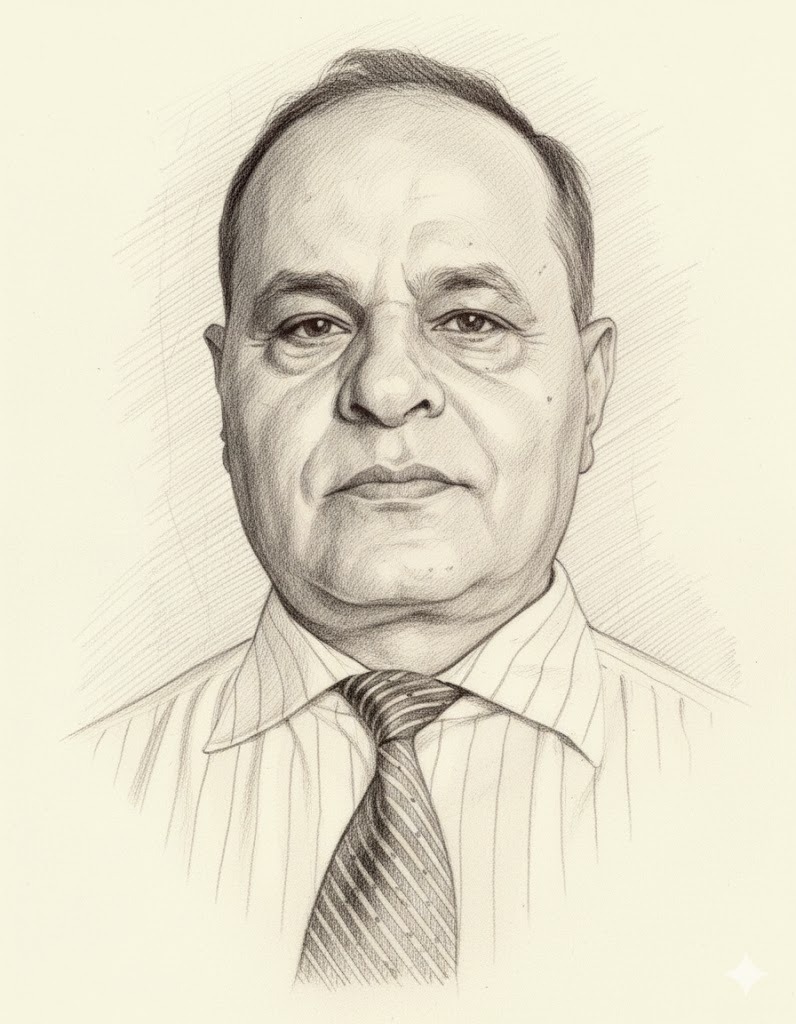
Bashar Mohammed Khaled Khlaifouh
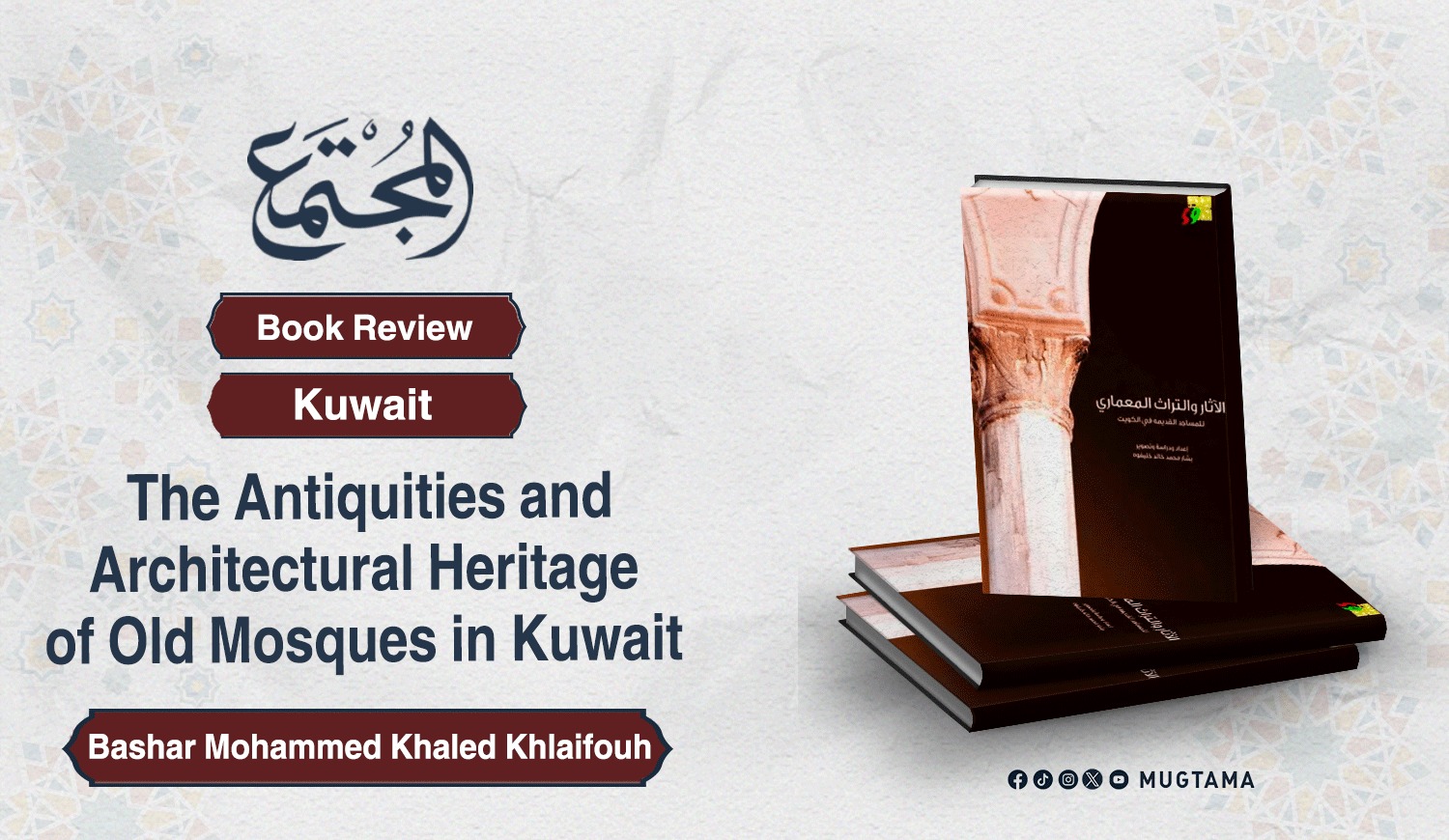
Book Review: The Antiquities and Architectural Heritage of Old Mosques in Kuwait
Mosques as More Than Places of Worship
In the history of the Arabian Gulf, mosques have always
represented more than houses of prayer. They were centers of social life and
living witnesses to the evolution of the community’s visual and cultural
identity. Within this context, Bashar Mohammed Khaled Khlaifouh’s book “The Antiquities and Architectural Heritage of Old Mosques in Kuwait” stands
out as a vital historical and artistic document. Published under the
sponsorship of Kuwait’s General Secretariat of Awqaf, the book does not merely
recount historical stories; it delves into the depths of engineering and
aesthetics to present a panoramic view of mosque architecture that shaped both
old and modern Kuwait.
A Journey Through Building Philosophy and Identity
Khlaifouh’s work pursues a noble aim that goes beyond academic
documentation: safeguarding Kuwait’s national identity. His vision is that
Islamic architecture in Kuwait reflects the environmental and social conditions
of the ancestors. The book highlights the “lost architectural style,” those
forms now overshadowed by modern skyscrapers but still alive in the collective
memory of Kuwaitis.
One of the book’s central goals is raising awareness of what
the author calls “charity and heritage media,” a concept linking religious
endowments (awqaf) with the preservation of human and architectural
achievements. It seeks to acquaint new generations with the roots of Kuwait’s current renaissance and affirm that mosque architecture is part of the global
heritage worthy of study and appreciation.
The Mosque as the Beating Heart of Society
The book expands the understanding of the mosque as a vibrant
social space. In Kuwait, the mosque was the center around which neighborhood
life revolved. Khlaifouh’s study reveals how mosques were designed to serve
social functions:
1. Education and Qur’an Schools:
Courtyards and arcades of mosques were places for learning the Qur’an,
classical Arabic, and arithmetic, making the mosque the first educational
institution in Kuwait’s history.
2. Social Solidarity: The book highlights the role of
endowments linked to mosques, which dedicated their revenues to feeding the
poor and travelers, reflecting the cooperative spirit of Kuwaitis.
3. Connection to the Sea: Given Kuwait’s maritime nature,
mosques near the port (furda) were havens for sailors and captains,
where prayers were held and meetings convened after long diving voyages, tying
religious architecture to Kuwait’s maritime economy.
Between Historical Context and Visual Documentation
Tracing mosque architecture from the 18th century onward, the
book shows how it was influenced by Kuwait’s commercial ties abroad. Ottoman
sobriety, Indian wooden ornamentation, and Persian dome artistry all left their
mark, creating a unique blend of local and global styles.
The visual documentation enriches the book with detailed
drawings by artist Asaad Bounashi, reviving the features of mosques that no
longer exist. These illustrations give the book artistic depth and make it a
valuable visual reference for architects seeking inspiration from ancestral
heritage in modern designs.
Architectural Memory: Analysis of Iconic Mosques
Khlaifouh dedicates sections to analyzing landmark mosques in
Kuwait’s history:
1. The Old Market Mosque: A living model of mosque
architecture tied to commerce. Its strategic location in the heart of the
market and its spacious courtyard reflect the integration of religious and
economic life. Built with local materials resistant to humidity and heat, it embodies
the sturdy simplicity of Kuwaiti construction.
2. The Grand Mosque (Heritage Perspective): Though
relatively modern compared to mud-built mosques, the Grand Mosque is seen as an
extension and culmination of Kuwait’s architectural heritage. It incorporates
traditional Islamic elements—Andalusian and Fatimid—while blending them with
Kuwaiti identity. Its towering minaret and intricate geometric decorations in
ceilings and domes illustrate the evolution from mud construction to marble and
mosaic, while preserving the spirit of unity and transcendence that
characterized earlier mosques.
Strategic Importance and Critical Vision
The book fills a significant gap in historical literature,
offering precise data for researchers and protecting architectural memory from
oblivion. Yet it also raises the challenge of continuously updating
architectural studies with each new restoration to ensure accuracy.
Critics note that the heavy focus on artistic and
architectural aspects sometimes overshadows the human stories behind each
mosque. Many were built through personal initiatives by Kuwaiti merchants and
families, each with its own tale of loyalty and generosity that deserves to be
told alongside descriptions of domes and minarets.
A Call to Preserve the Roots
Ultimately, Khlaifouh’s The Antiquities and Architectural
Heritage of Old Mosques in Kuwait is more than an academic study. It is a
pioneering work and an open invitation to reflect on walls that have withstood
time, reminding us that mosques were not mere structures of stone and clay but
the beating hearts that shaped national identity and culture.
Preserving heritage is not clinging to the past alone—it is securing the future. A society that understands its architectural and aesthetic roots builds a solid foundation for modernity without losing its soul.