






Philosophy of Sacrifice
The Profound Meaning of Eid al-Adha

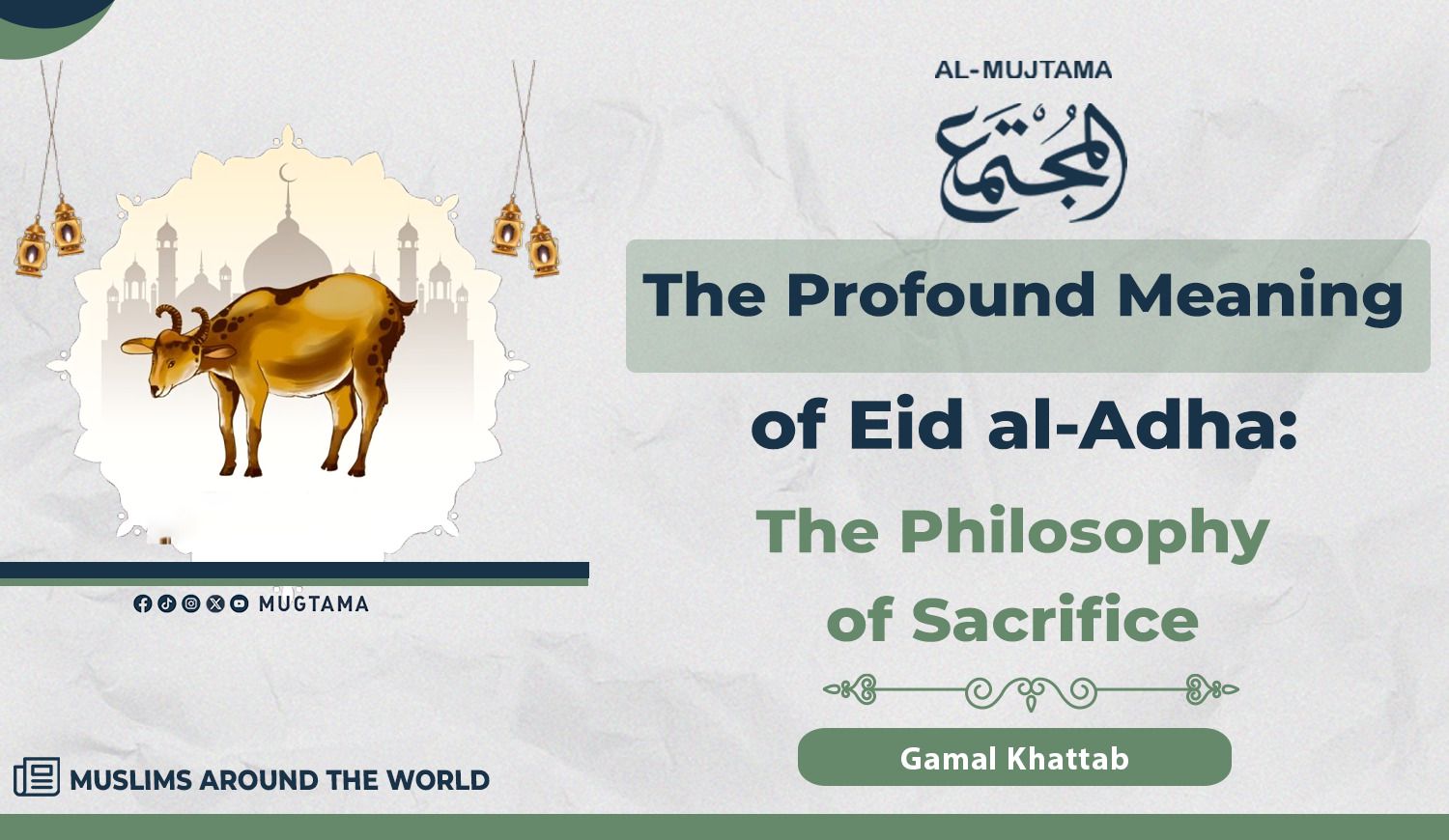
Eid al-Adha, one of the most significant Islamic festivals, carries profound meanings of sacrifice that extend far beyond the ritual act of offering animals. It is a celebration that embodies obedience, gratitude, compassion, and devotion to God. Through the philosophy of sacrifice, Muslims embrace principles that shape their spiritual lives and social responsibilities.
1. Submission and Obedience to God's Command
The essence of sacrifice lies in absolute submission to God's
will. This principle is exemplified in the story of Prophet Abraham (peace be
upon him), who was commanded to sacrifice his son, Ishmael. Their unwavering
obedience reflects true servitude. As the Qur'an states: "So when they both submitted and he prostrated upon
his forehead." (As-Saffat:
103)
Similarly, the Prophet Muhammad (peace and blessings be upon
him) emphasized that no obedience to creation should override obedience to the
Creator.
2. Reviving the Legacy of Prophet Abraham
Eid al-Adha serves as a powerful reminder of Prophet Abraham’s
sacrifice and his steadfast faith. By observing this tradition, Muslims
strengthen their connection to his legacy. The Prophet Muhammad (peace and
blessings be upon him) affirmed this by saying, "It
is the Sunnah of your father Abraham."
(Narrated by Ibn Majah)
3. Gratitude for Divine Blessings
Sacrifice is an expression of gratitude for God's abundant
provisions. The Qur'an encourages believers to acknowledge these blessings: "That they may witness benefits for themselves
and mention the name of God on appointed days over what He has provided for
them of livestock." (Al-Hajj:
28)
Through sacrifice, Muslims express appreciation for their
wealth, family, and all other gifts granted by God.
4. Social Solidarity and Compassion
One of the most beautiful aspects of sacrifice is its role in
fostering social cohesion. The distribution of meat to the less fortunate
ensures that everyone shares in the joy of Eid. Imam al-Shafi'i emphasized that
a person offering a sacrifice should divide it into three parts: one for
personal consumption, one for charity, and one for gifting.
5. Purification of the Soul
The act of giving for God's sake purifies the soul from
miserliness and selfishness. The Qur'an highlights this transformation: "And whoever is protected from the stinginess
of his soul – it is they who will be successful." (Al-Hashr: 9)
Sacrifice teaches Muslims to detach themselves from material
possessions and embrace generosity.
6. Sacrifice as a Test of Sincerity
God does not require the blood or flesh of sacrifices;
instead, He values sincerity and piety. The Qur'an emphasizes this: "God does not need their meat, nor their blood, but
what needs Him is piety from you."
(Al-Hajj: 37)
This highlights that sacrifice is ultimately an act of
devotion rather than a mere ritual.
7. The Symbolism of Redemption
The sacrifice represents selflessness and the willingness to
give up what is most precious in devotion to God. The story of Ishmael is a
powerful symbol of complete trust in God’s wisdom and mercy.
8. Reinforcing Pure Monotheism
Sacrifice affirms the oneness of God and devotion to Him
without associating any partners. It serves as an act of worship that
strengthens a Muslim’s faith and commitment to monotheism.
9. Altruism and Generosity
Eid al-Adha reminds believers of the importance of
altruism—placing the needs of others before oneself. This principle fosters a
spirit of selflessness, which is a cornerstone of Islamic ethics.
10. Sacrifice Beyond Ritual: Dedication to
Principles
Beyond physical acts, sacrifice extends to dedicating time,
effort, and resources to uphold righteousness and justice. Muslim scholars,
such as Ibn al-Qayyim and Al-Ghazali, emphasized its role in reinforcing faith
and social harmony. Even philosophers such as Plato and Kant viewed sacrifice
as a noble virtue that promotes moral duty and the common good.
Eid al-Adha is not merely a celebration but a profound
reflection on devotion, gratitude, and altruism. The philosophy of sacrifice
teaches Muslims to strengthen their faith, care for the less fortunate, and
purify their hearts from worldly attachments. It is a reminder that true
sacrifice lies not in material offerings, but in sincere obedience, piety, and
service to humanity.