





Kuwait is a Red Line
Kuwait in a Week, Thursday, September 24, 2026

Kuwait Crown Prince meets Turkish President Erdoğan in New York
Turkish President Recep Tayyip Erdogan and Kuwait's crown
prince met Monday for talks in New York.
Erdogan hosted Sheikh Sabah Al-Khalid Al-Sabah for a
closed-door meeting at the Turkevi Center, or Turkish House, across from UN
headquarters, where world leaders will address the high-level General Debate of
the 81st session of the General Assembly.
The meeting focused on bilateral relations between Türkiye and
Kuwait and regional developments, according to Türkiye's Communications
Directorate.
Erdogan said Türkiye and Kuwait were working to expand
cooperation in a number of areas, particularly trade and energy.
The Turkish president also reiterated Ankara's support for
Kuwait and other allied countries in the region amid ongoing conflicts and
tensions, said the statement.
Erdogan said international efforts to prevent Israel's
"aggressive actions" in the region should be supported and emphasized
the importance of such efforts to address the situation.
During the meeting, he invited the crown prince to attend the
COP31 Leaders' Summit, which Türkiye is scheduled to host in November.
Türkiye enjoys multifaceted relations with Kuwait based on
common cultural and historical ties.
Its bilateral relations with Kuwait have gained momentum in
recent years through high-level visits and numerous agreements signed during
those visits.
Positive Support Foundation Delivers 1,023 Treatment Doses to Breast Cancer Patients
The Positive Support Foundation for Cancer Patients has
provided 1,023 treatment doses to 75 women battling breast cancer, funded by
the General Secretariat of Awqaf with a grant of KD 222,300. According to
Chairman Mohammed Fahid Al‑Ajmi, the initiative reflects the humanitarian
impact of endowments in easing the financial and emotional burden of cancer
treatment. Several beneficiaries have shown signs of recovery, while others
continue their treatment journey. Al‑Ajmi emphasized that each dose represents
renewed hope for patients and their families, underscoring the importance of
sustaining such medical and humanitarian programs. He noted the foundation’s
commitment to directing support toward essential treatment needs and
strengthening partnerships that alleviate patients’ hardships. He also
expressed gratitude to donors whose contributions, he said, bring relief to
patients and create lasting charitable impact. Source: Al‑Mujtama
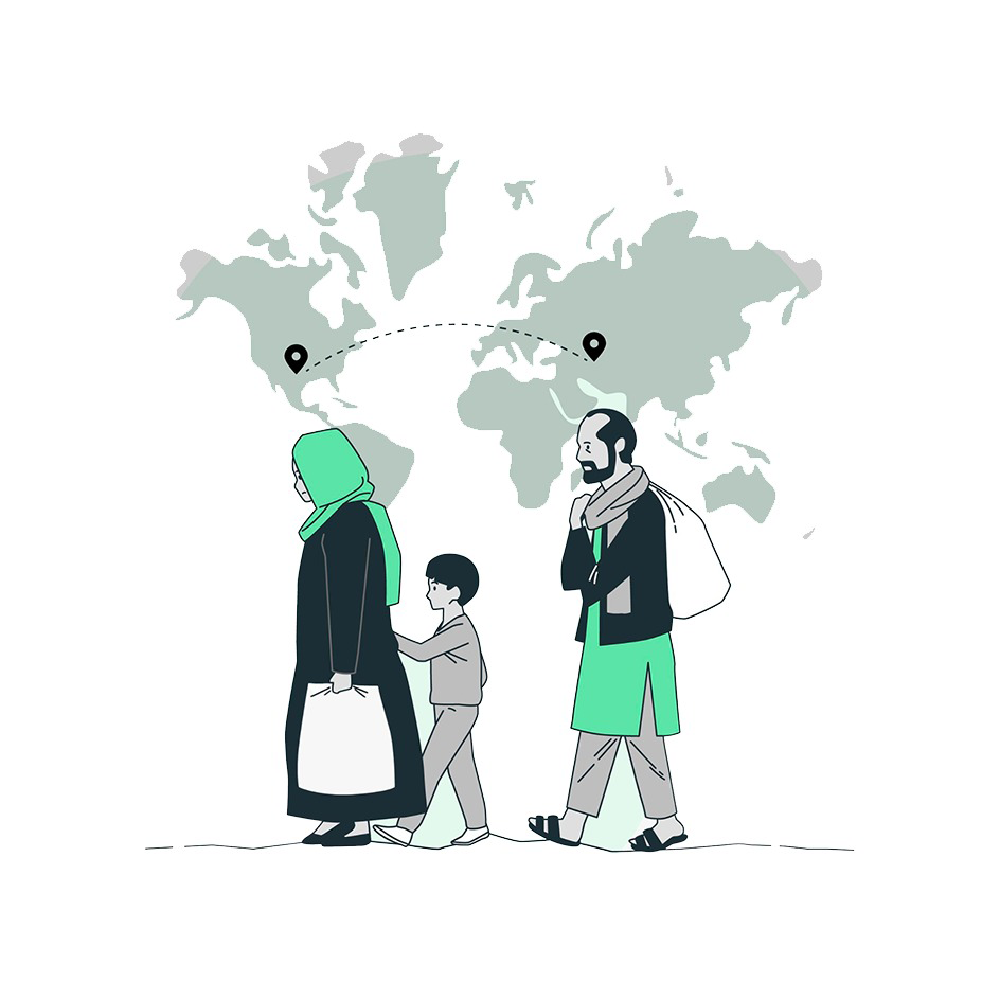
Kuwaiti Charities Sign UNHCR Agreements to Support Refugees in Bangladesh and Sudan
Namaa Charity of the Social Reform Society and the Islamic
Care Society signed two humanitarian partnership agreements with UNHCR on 22
September 2026 to support refugees and displaced families in Bangladesh and
Sudan. The first agreement enhances health services for Rohingya refugees by
supplying medicines, medical equipment, and expanding vaccination and community
health programs, including immunization campaigns for 131,000 children under
five. The second agreement improves shelter conditions for 327 refugee families
in Bangladesh and provides cash assistance to 36 displaced families in Sudan.
During the signing ceremony, leaders from Kuwaiti charitable institutions
highlighted Kuwait’s longstanding humanitarian role and the importance of
coordinated efforts to meet urgent needs. UNHCR representatives praised the
partnerships as vital for strengthening health, shelter, and protection
services for vulnerable communities. Source: Al‑Mujtama
Al‑Najat Charity and Lawyers Association Launch Training Pathway for Debtors Returning to Workforce
Al‑Najat Charity and the Kuwait Lawyers Association have
signed a memorandum of understanding to collaborate on professional and legal
training programs under the national “Tamkeen” initiative. The partnership aims
to support indebted Kuwaiti citizens who have completed their sentences by
helping them regain economic stability and reintegrate into the labor market. The
agreement, signed by Al‑Najat Charity Director General Dr. Jaber Al‑Wonda and
Lawyers Association Chairman Adnan Abel, includes specialized training
combining theoretical instruction with practical application. Al‑Wonda said the
initiative reflects the charity’s commitment to sustainable empowerment, moving
beneficiaries from hardship to productivity and self‑reliance. Abel emphasized
the importance of community partnerships in equipping citizens with skills
needed for employment and contributing positively to society. Source: Al‑Anba
Al‑Najat Charity Launches “Wain Anas 2” to Support 250 Students in Kuwait
Al‑Najat Charity has launched the second phase of its
educational support project “Wain Anas 2,” aimed at assisting 250 students in
Kuwait, including orphans, low‑income families, patients, and other vulnerable
groups. The initiative, introduced under the slogan “Your Children’s
Responsibility,” seeks to prevent students from dropping out due to financial
hardship and to provide them with opportunities for a better future. Resource
Development Director Abdulghafour Al‑Abdulghafour said the project continues
the charity’s longstanding efforts to support students unable to cover
educational expenses. He stressed that education is a key pillar of empowerment
and human development, noting that helping a student today contributes to
building a capable individual who can support their family and community in the
future. Source: Al‑Anba
Heritage Revival Society Launches “Food Endowment” to Aid Workers and Families in Need
The Heritage Revival Society has announced the launch of its “Food Endowment” project to provide ready meals to workers, families, and individuals in need across Kuwait. The initiative allocates endowment proceeds to fund regular meal distribution in labor gatherings and areas with high demand, reinforcing social solidarity and compassion. The society stated that the project is part of a broader humanitarian portfolio that includes food baskets, support for distressed families, and water‑supply initiatives. It emphasized Kuwait’s long tradition of charitable action and urged donors to continue supporting efforts that directly address essential needs. The society highlighted that the project combines the enduring reward of endowments with the immediate impact of feeding those in need, ensuring sustained charitable benefit for the community. Source: Al‑Forqan
Kuwait Highlights Sign Language as a Core Right for Inclusion
Kuwait’s Minister of Social Affairs, Family and Childhood, Dr.
Amthal Al‑Huwaila, affirmed that sign language is a fundamental communication
right and a key pillar for empowering persons with disabilities. Speaking to
KUNA on the International Day of Sign Languages, she stressed that sign
language must be present across institutions and services to ensure full access
to information without barriers. Al‑Huwaila noted that expanding its use and
supporting awareness programs strengthens social inclusion and equal
opportunities. She added that Kuwait continues to prioritize disability rights,
with the Public Authority for Disability Affairs advancing services and
coordination with relevant agencies to enhance participation and independence
for persons with disabilities. Source: Al‑Anba
Disability Authority Marks Sign Language Day, Emphasizes Inclusion
The Public Authority for Disability Affairs commemorated the
International Day of Sign Languages, underscoring its importance as a primary
communication tool enabling deaf and hard‑of‑hearing individuals to participate
fully in society. The observance aims to raise awareness of the rights of the
deaf community and promote more inclusive environments. The authority stated
that sign language serves as a bridge for communication and understanding,
reinforcing equality and social integration. It emphasized continued support
for initiatives that expand sign‑language use and enhance public awareness,
ensuring that persons with hearing disabilities can access services and
opportunities without obstacles. Source: Al‑Anba
Authority for Minors Affairs Launches Satisfaction Survey via “Sahel”
The Acting Director General of the Public Authority for Minors
Affairs, Aliya Al‑Saqer, announced the launch of an electronic satisfaction
survey through the “Sahel” app to measure beneficiaries’ views on the
management and growth of their funds. The survey also evaluates the ease of
receiving entitlements, clarity of financial information, and suitability of
allocations to beneficiaries’ needs. Al‑Saqer explained that the survey seeks
feedback on preferred programs for those under the authority’s care, including
religious, social, recreational, and sports activities, as well as financial
literacy, vocational training, summer employment, and educational skill‑development
programs. She urged beneficiaries to participate, noting that their input will
help improve services and strengthen the authority’s ability to meet
expectations and enhance care quality. Source: Al‑Anba
Anti‑Corruption Authority Holds Training Workshops for “Banky” School Teachers
Kuwait’s Anti‑Corruption Authority “Nazaha” has launched a
series of training workshops for teachers participating in the “Banky” program
for the 2026–2027 academic year. The initiative, held in partnership with the
Ministry of Education and the National Bank of Kuwait, aims to instill positive
values among elementary students. The workshops, running from September 8 to
October 13, include 11 sessions for teachers in public and private schools.
Nazaha stated that the training introduces the program’s goals and
implementation mechanisms, preparing teachers to deliver content in an
interactive and accessible manner. Media specialist Ahmed Al‑Othman highlighted
the workshops as a platform for exchanging experiences and improving program
delivery, noting the project’s positive impact on student behavior over the
past five years. Participation is expected to grow by more than 30% this year. Source:
Al‑Anba
Islamic Affairs Ministry Launches Anti‑Drug Awareness Campaign at Kuwait University
Acting Undersecretary of the Ministry of Islamic Affairs, Dr.
Suleiman Al‑Suwailem, inaugurated the national awareness campaign “Be Aware” at
Kuwait University to strengthen prevention against drug abuse. He told KUNA
that combating drugs requires shared responsibility across families,
educational institutions, religious bodies, and health and social agencies. Al‑Suwailem
said the campaign focuses on awareness, prevention, treatment, and
rehabilitation, helping youth build decision‑making skills and resist harmful
behaviors. The event included an exhibition with participation from the General
Directorate for Drug Control and the Grassat Association. A student session
featured addiction specialist Dr. Hussein Al‑Shatti and Professor Adel Al‑Mutairat,
who discussed the dangers of addiction and religious and social perspectives on
prevention. The event concluded with honoring university representatives and
supporting institutions. Source: Al‑Anba
Kuwait Calls for Stronger Maritime Security and Global Financial Reform at UN
Kuwait reiterated its commitment to strengthening maritime
security, reforming the international financial system, and expanding global
cooperation against terrorism during its interventions at the United Nations.
The Kuwaiti delegation emphasized that maritime stability is essential for
international trade and regional safety, calling for coordinated international
mechanisms to protect sea routes. Kuwait also urged reforms to ensure fairer
financial governance, improved transparency, and stronger support for
developing economies. On counterterrorism, the delegation highlighted the need
for unified global action, capacity‑building, and intelligence cooperation to
address evolving threats. These positions reflect Kuwait’s broader diplomatic
approach focused on stability, multilateralism, and sustainable development. Source:
Al‑Seyassah
Foreign Minister: Education Is a Cornerstone of Sustainable Development
Kuwaiti Foreign Minister affirmed that education remains a
central pillar of sustainable development and a key driver for building
societies capable of meeting future challenges. He stressed that investment in
education equips young generations with the skills needed for innovation,
economic growth, and social resilience. The minister noted that Kuwait
continues to prioritize educational reform, modern learning tools, and
inclusive policies that ensure equal access for all students. He added that
global cooperation in education is essential to address technological shifts
and emerging development needs. The remarks reflect Kuwait’s commitment to
aligning national education strategies with international development goals. Source:
Al‑Seyassah
Al‑Ghodouri: Protecting Juveniles Requires Trust, Not Punishment
In remarks to Al‑Seyassah, juvenile‑protection expert
Al‑Ghodouri stressed that safeguarding young people is a shared responsibility
rooted in trust rather than punitive measures. He explained that effective
protection begins with understanding the needs of adolescents, strengthening
communication, and creating supportive environments that prevent risky
behavior. Al‑Ghodouri emphasized that families, schools, and social
institutions must work together to guide youth, noting that excessive
punishment often worsens behavioral issues. He called for programs that promote
awareness, psychological support, and positive engagement to help juveniles
develop responsibility and resilience. His comments highlight growing national
attention to modern, preventive approaches in juvenile care. Source: Al‑Seyassah
Arab Anti‑Corruption Convention Adopts Kuwait‑Led Decision on Beneficial Ownership Transparency
The Conference of States Parties to the Arab Convention Against Corruption adopted a Kuwaiti proposal aimed at strengthening transparency related to beneficial ownership. The decision seeks to enhance disclosure mechanisms that identify the true owners of companies and financial entities, helping authorities combat money laundering, illicit finance, and corruption. Kuwait’s initiative reflects its ongoing efforts to modernize regulatory frameworks and align regional practices with international standards. Delegates noted that improving beneficial‑ownership transparency supports accountability, protects public resources, and strengthens trust in financial systems. The adoption of the proposal marks a significant step toward unified Arab action in anti‑corruption governance. Source: Al‑Seyassah
Kuwait’s Minister of Awqaf held discussions with the UNHCR
representative to explore ways to strengthen humanitarian and community‑support
cooperation. The meeting focused on expanding joint initiatives that assist
refugees and vulnerable populations, particularly in areas of shelter,
education, and social protection. The minister affirmed Kuwait’s commitment to
humanitarian partnerships and highlighted the role of charitable institutions
in supporting global relief efforts. UNHCR’s representative praised Kuwait’s
contributions and emphasized the importance of continued collaboration to
address rising humanitarian needs. The talks reflect Kuwait’s broader strategy
of integrating charitable work with international humanitarian frameworks. Source:
Al‑Seyassah