





Gazan Teacher Opens Free School for Displaced Children
Every year on
October 5, the world marks World Teachers’ Day to honor those entrusted with
educating future generations. Teachers do far more than impart knowledge. They
help shape individuals and preserve their ability to learn and grow, even under
the most difficult circumstances.
The date
commemorates the adoption of the UNESCO and International Labour Organization
Recommendation concerning the Status of Teachers in 1966. The recommendation
established standards concerning teachers’ rights and responsibilities, their
initial preparation and continuing training, recruitment and employment, and
teaching and learning conditions. Since 1994, World Teachers’ Day has provided
an opportunity to recognize the vital role of teachers and reflect on the
support they need to fulfill their profession and develop their abilities to
the fullest.
Yet some
teachers face circumstances that extend far beyond the classroom. For them,
education becomes more than a profession. It becomes a humanitarian
responsibility, and a lesson becomes a means of protecting what can still be
preserved of children’s lives, stability, and identity.
When War
Forces Children Out of School
The story of
Palestinian teacher Hadeel Zu'rab offers a striking example of this reality.
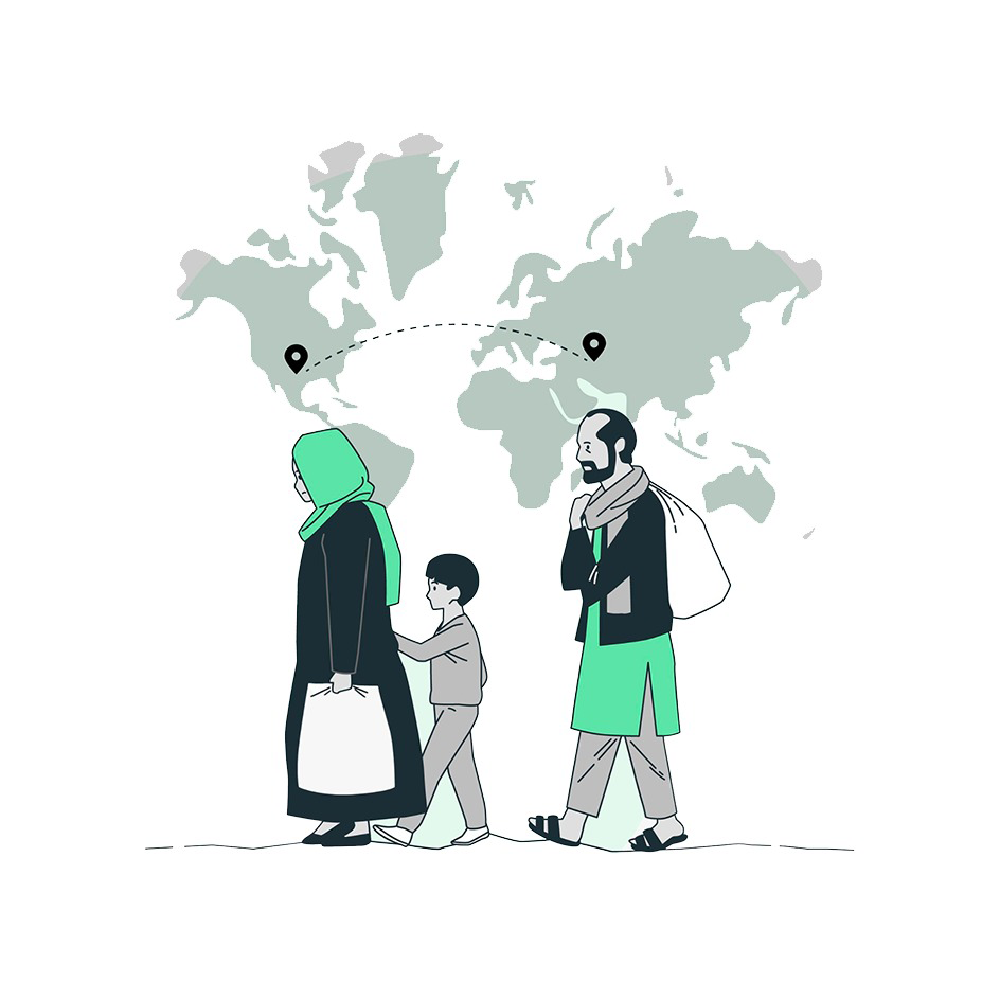
After the war in Gaza began in October 2023, Hadeel and her family were forced
to leave the Strip and settle in Al-`Arish, in Egypt’s North Sinai Governorate.
Like many
displaced Palestinian families, she found herself facing a new reality created
by war. Children had lost their schools and their connection to their
educational communities, while many struggled to continue their studies because
of displacement, financial pressures, and limited access to online education.
Rather than
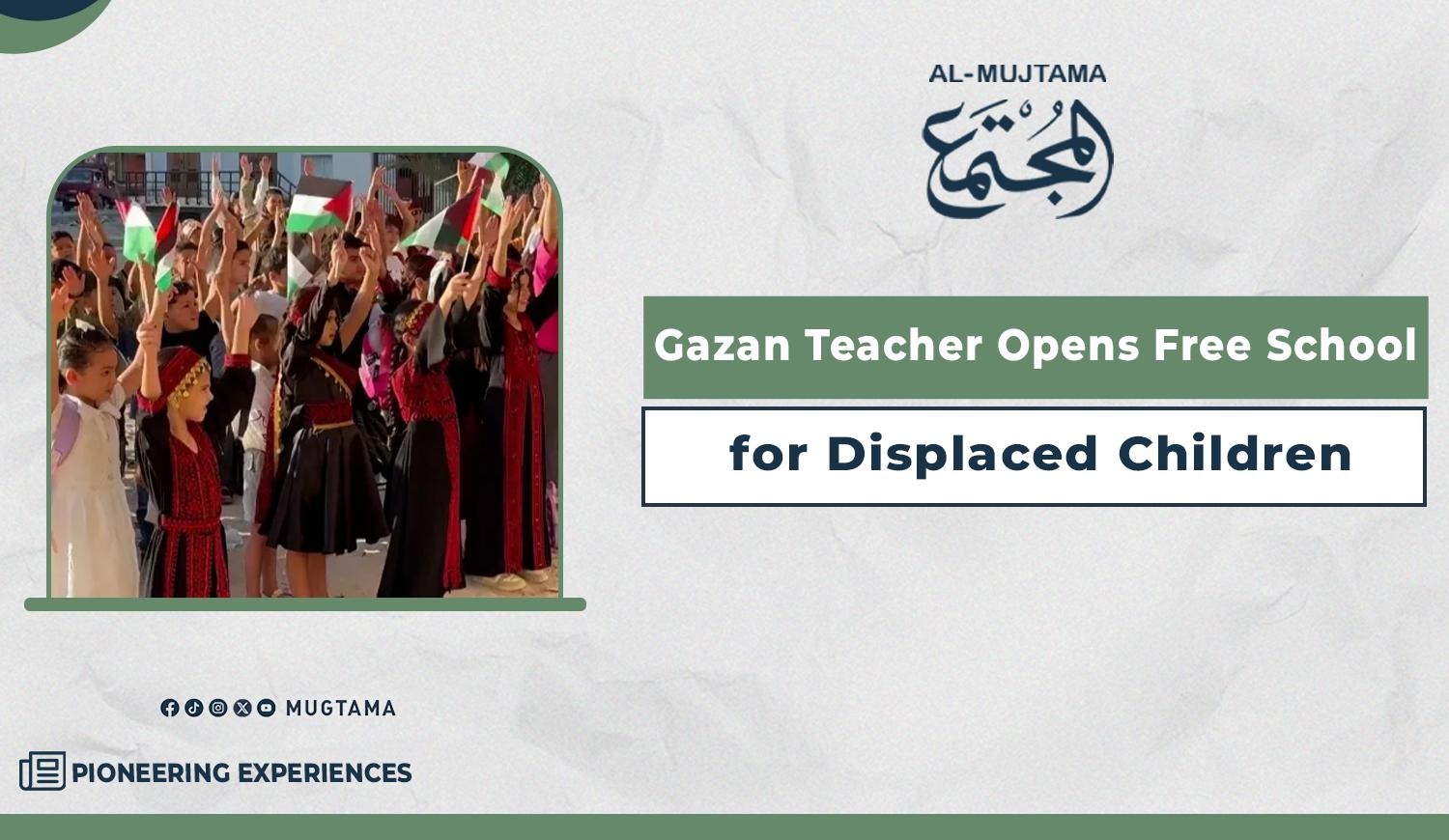
accept the loss of schooling as inevitable, Hadeel began teaching a small group
of displaced children in a rented building, working alongside other Palestinian
teachers who had also been displaced. As the need grew, the initiative
developed into a free school serving around 400 students between the ages of
six and eighteen, up from approximately 150 students during its first year.
The school has
therefore become more than a place where children receive lessons and
textbooks. In Al-`Arish, it offers them something else that war has taken away:
a stable daily routine, the company of their peers, and a sense that their
lives have not come to a complete standstill.
Education
in the Face of Displacement
According to
UNICEF estimates, more than 14,000 Palestinian children of school age have been
displaced to Egypt since the war began. Some arrived seeking medical treatment
for injuries sustained during the conflict, while others came with their
families in search of safety. Many continue to require medical care or
rehabilitation after what they have endured.
For some
families, accessing education has also become difficult because of the rising
cost of living, a lack of necessary electronic devices, and the expense of
internet access. In such circumstances, providing a physical school is more
than an educational service. It is a practical way of preventing displacement
from becoming another reason for children to lose their educational future.
The school’s
rent and educational supplies are supported by Misr El Kheir Foundation,
helping the initiative continue to provide education without placing additional
financial burdens on displaced families.
When
Teaching Becomes More Than a Profession
World Teachers’
Day is a reminder that a teacher’s value cannot be measured only by what
happens inside the classroom. It can also be measured by what teachers are able
to bring into their students’ lives when circumstances become overwhelming.
In times of
crisis, a teacher may be among the first people to help a child regain a sense
of stability. Teachers can help children rebuild their confidence, preserve
their memory and identity, and maintain a connection to the future when war has
attempted to sever that connection.
Supporting
teachers in areas affected by conflict and displacement is therefore not simply
a professional concern. It is part of protecting children’s right to education
and preventing temporary crises from becoming losses that shape their lives for
years to come.
These children
have lost homes, schools, and familiar places. Yet a small school in Al-`Arish
offers them another possibility: that education can continue, that childhood
can still make room for laughter, and that even in the darkest circumstances, a
teacher can become not only a source of knowledge, but a source of hope.
-------------------------------------------------------------