


A Landmark Step in Knowledge and History
Albania’s First Conference on Ottoman-Era Scholars Hani Salah
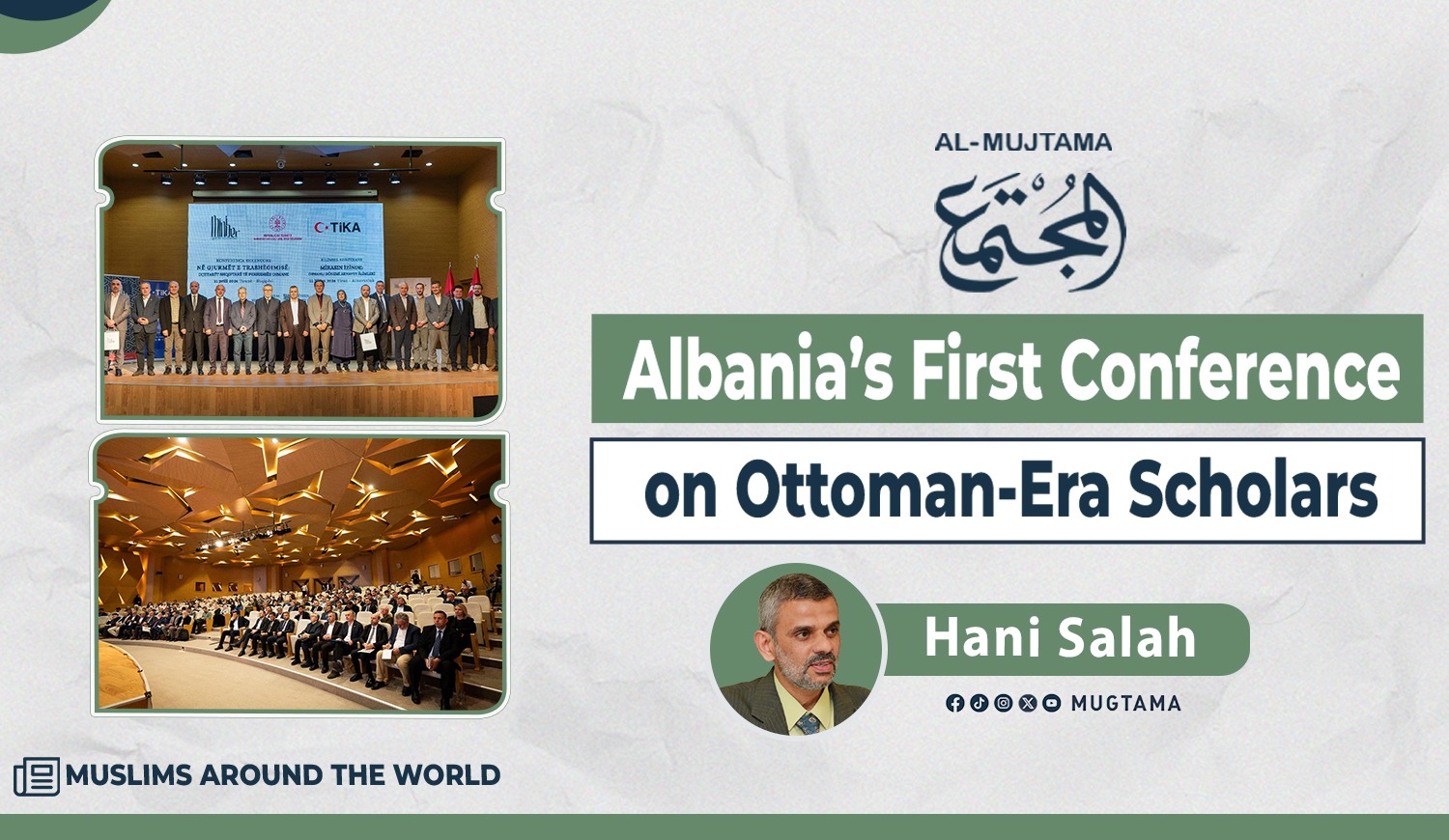
In a scientific step carrying exceptional intellectual and historical significance, the Albanian capital, Tirana, hosted the first conference of its kind in the country, dedicated to exploring the legacy of Albanian scholars in the Western Balkans during the Ottoman era, which spanned nearly five centuries.
This event also marked the first
scientific conference organized by the newly established “Minbar Center,”
signaling a serious research orientation by a young institution that chose to
engage directly with one of the deepest files of Albanian Islamic scholarly
heritage in the region.
Why This Conference Matters
The importance of this conference
is doubled—not only because it is the first of its kind, but also because it
opens a file long left in the shadows. This file concerns Albanian scholars,
religious schools, institutions of Islamic knowledge, and the impact of these
elites in shaping religious, social, and political awareness in Albania and the
Western Balkans during the Ottoman era. This was a period that lasted nearly
five centuries and left profound imprints on the region’s history.
For the first time in Albania,
“Minbar” has opened the file of scholars and religious schools in the Western
Balkans during the Ottoman era.
Regional Participation and Ottoman Archives
The wide academic participation
from countries of the Western Balkans where Albanian communities live—Albania,
Kosovo, North Macedonia, and Montenegro—alongside Turkey, reflects a clear
regional orientation. This is especially significant given the treasures of
Ottoman archival documents preserved in Turkey that relate to this historical
period.
Why Now?
In statements to Al-Mujtama‘,
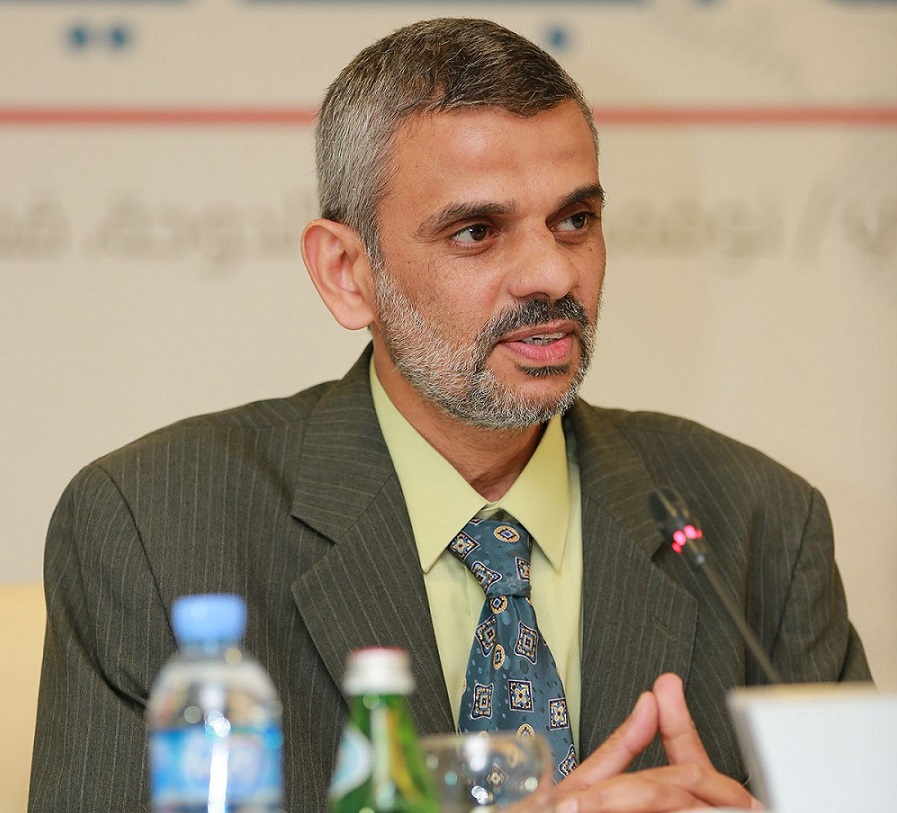
Dr. Farid Beko, Director of the Minbar Center, emphasized that the conference
aims to shed light on the precious scientific treasures produced by the
Albanian people during the Ottoman period—treasures of scholars and
intellectual heritage that in most cases remained marginalized, neglected, or
misunderstood.
He stressed that discussing
Albanian scholars of the Ottoman era reveals a wide constellation of prominent
figures and a long list of names: distinguished teachers and educators, Sheikhs
of Islam, muftis and judges, scholars and philosophers, historians, writers,
and poets. It also includes personalities who held high administrative and
political positions in the state—leaders, governors, ministers, and grand
viziers. This reflects the elevated status Albanian scholars attained in both
religious and state affairs.
Reviving Interest in a Crucial Era
Dr. Beko added that the conference
also seeks to attract the attention of researchers, students, and interested
audiences to a long and pivotal era in the history of Albania and the Western
Balkans. This helps in understanding the cultural, social, and political
context of Albanian cities, the institutions of religion and knowledge, the
nature of scholars and imams trained in local schools and in Istanbul, the
essential tasks these scholarly cadres undertook, and the roles they played
during critical historical junctures experienced by the region’s peoples.
The broad academic participation
from Albania, Kosovo, North Macedonia, Montenegro, and Turkey reflects the
depth of the research project.
Restoring Scholars to National Memory
He pointed out that the deeper goal
of the conference is to restore Albanian intellectual and scholarly figures to
the place they deserve in national and cultural memory. Studying heritage and
scholarly traditions provides an entry point to understanding the identity of
ancestors, the path they followed, and the legacies they left for later
generations—despite the distortions, neglect, and risks of erasure that
accumulated over time.
Five Centuries of Knowledge Mapped
The conference opened with an
inaugural speech by Dr. Farid Beko, followed by multiple academic sessions
addressing the historical background, educational institutions, and Ottoman
schools in the region.
Among the most notable papers
presented by researchers and academics from across the region was the
contribution of Prof. Dr. Abdulrahman Atçil, professor at Sabancı University
and member of the Turkish Academy of Sciences, with a paper titled “Science
and Scholars in the Ottoman State.”
Another highlight was the
participation of Prof. Dr. Ali Erkan, professor at Marmara University, with a
paper titled “Scholars in the Balkans After the Ottoman Period,” which
expanded the temporal scope of discussion beyond the Ottoman era.
From Kosovo, Dr. Sadiq Mohamedi,
member of the Albanian Studies Institute in Pristina and professor at the
Faculty of Islamic Studies, presented a paper titled “Ottoman Schools and
Their Curricula.”
From North Macedonia, Dr. Qenan
Ismaili, Mufti of Skopje, contributed a paper titled “Ancient Albanian
Schools in Skopje,” shedding light on the educational heritage of Islamic
Albanian institutions in the city.
In later sessions, Prof. Dr.
Murtaza Beder, professor at Istanbul University and head of the Islamic Studies
Center (ISAM), presented a paper titled “The Role of Scholars Between Past
and Present.”
These and other contributions from
Albania, the Western Balkans, and Turkey reflect the broad research horizon of
the conference. They confirm that it represents a significant scientific
milestone in re-reading the Islamic scholarly heritage of the region and opens
the door to wider studies on the impact of Albanian scholars in the Western
Balkans during five centuries of Ottoman presence.
Minbar Center: A Project to Revive Scholarly Heritage
According to its official website,
the Minbar Center was established in response to contemporary challenges facing
religious discourse and Islamic thought in Albania, driven by the desire to
serve this cause and meet the urgent needs of religious cadres.
Its core mission is to contribute
to raising the level of public religious discourse, strengthening Islamic
research, and supporting the capacities of scholars, researchers, and academic
investigators.
The Center also works to study the
role of Albanian scholars in the Western Balkans during the Ottoman era and to
revive their scientific, religious, and cultural heritage. This mission is
clearly reflected in the nature of this conference and its research objectives.