



7 Tools Used by Colonial Powers to Weaken the Islamic World

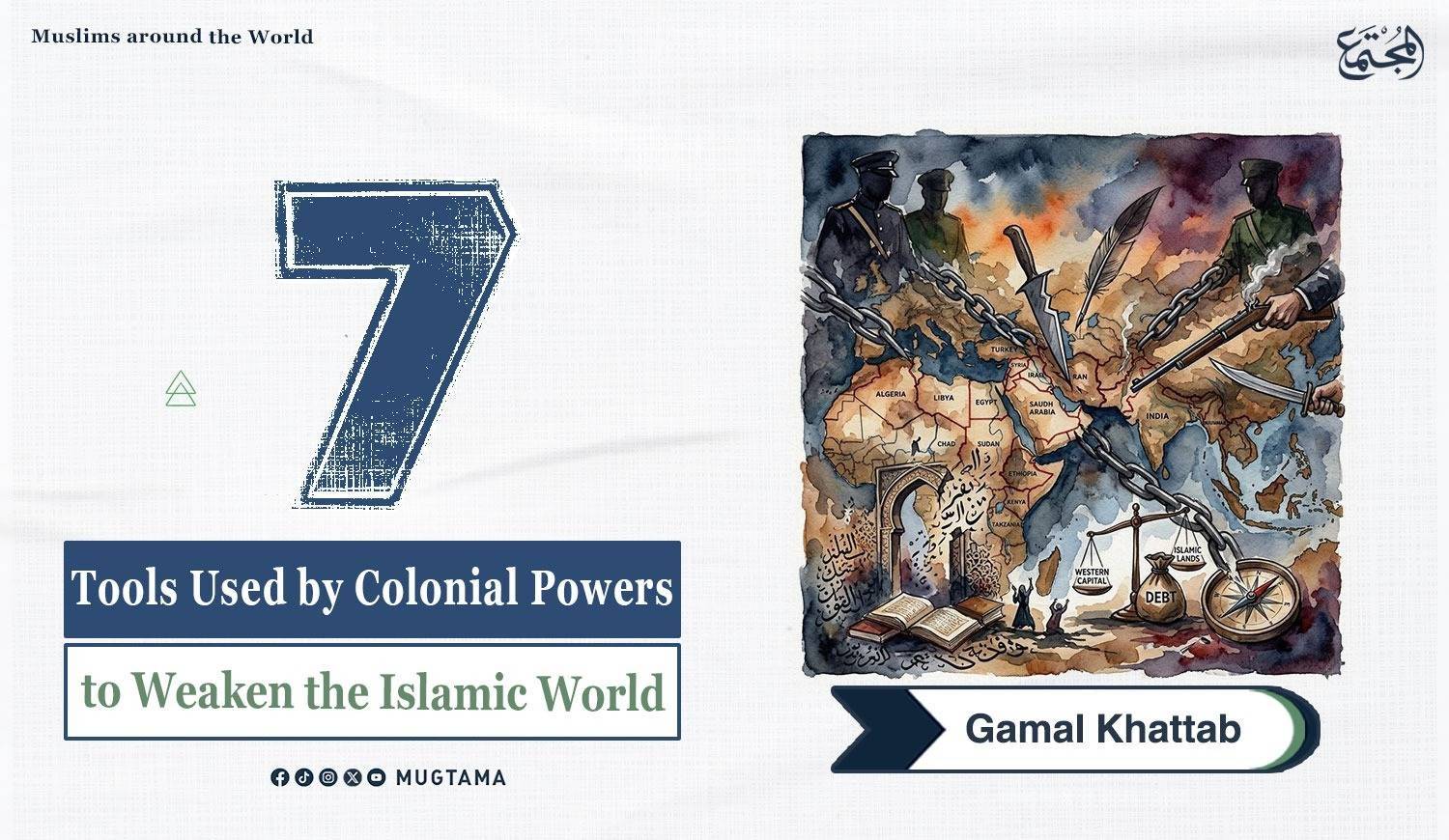
Cannons and naval fleets alone did not pave the way for colonial powers to control vast parts of the Islamic world during the 19th and 20th centuries. British historian Arnold Toynbee summarized the core of the matter by stating that empires do not win through military force alone, but rather by reshaping the political, cultural, and economic environment of the peoples subjected to them. Therefore, colonial powers relied on an integrated system of tools targeting humanity, identity, economy, and geography, the effects of many of which remain tangible to this day.
Here are the most prominent 7 tools
used by colonial powers to weaken the Islamic world:
1- Corrupting Education and Reshaping Minds
Colonial powers realized early on that
long-term control begins in the school rather than the battlefield.
Consequently, they worked to re-engineer educational curricula and weaken
traditional scientific institutions that for centuries had formed the incubator
of Islamic identity, legal knowledge, and linguistic knowledge.
In Algeria, for example, French
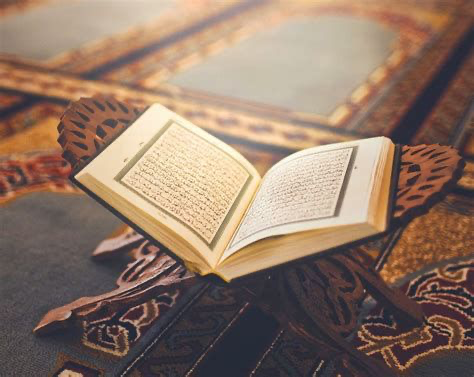
authorities closed thousands of traditional Quranic schools and Islamic schools, while ancient educational institutions in a number of Islamic
countries experienced reductions in their endowments and sources of funding. American
historian William McNeill views the changing of educational elites as one of
the most effective tools of empires in reshaping colonized societies.
Additionally, colonial powers
supported educational patterns that produced cadres administratively and
culturally linked to the colonial center, which contributed to the emergence of
elites adopting visions different from the civilizational identity of their
societies.
2- Geographical Division and Drawing Political Borders
The fragmentation of the Islamic geographical sphere was one of the most important tools of colonial control.
Instead of large, geographically connected entities, new borders emerged that
divided tribes, societies, and peoples who had lived within single political
and economic spaces.
The Sykes-Picot Agreement of 1916 is
considered one of the most famous examples of redrawing the region's maps. A
number of researchers in political geography have noted that many border
conflicts in the Middle East and Africa trace their roots back to the
arrangements of the colonial era.
Today, the Organisation of Islamic
Cooperation includes 57 states, in a scene reflecting the political
fragmentation that replaced larger entities enjoying a higher degree of
communication and unity.
3- Fostering Nationalist and Sectarian Conflicts
Colonial powers adopted the
"divide and rule" policy as a low-cost means to maintain influence
and control. Instead of confronting a unified society, dealing with competing
and colliding entities becomes easier.
A number of historians indicate that
the British administration in some areas and the French administration in other
areas invested in strengthening sectarian and ethnic divisions and granting
varying privileges to certain social components.
Palestinian-American thinker Edward
Said emphasizes that colonialism did not content itself with occupying land,
but also worked to produce competing perceptions and identities that weaken the
capacity of societies to build an inclusive political project.
4- Economic Dependency and Resource Control
According to historical economic
estimates prepared by researcher Angus Maddison, the share of vast regions of
the Islamic world, India, and China in the global economy declined during the
period of colonial hegemony, while European economies rose rapidly.
This was accomplished through three
main tracks:
- Transforming colonies into sources of raw
materials.
- Marginalizing traditional local industries.
- Linking local markets to foreign companies and
interests.
In Egypt, India, and North Africa, the
flooding of markets with European industrial products led to the decline of
many local crafts and industries, while agriculture was often directed to serve
the requirements of foreign markets rather than local needs.
5- Cultural and Intellectual Invasion
Colonialism was not merely a military
and economic project, but also carried a cultural vision seeking to impose a
specific civilizational model as the sole model for progress.
French researcher Jacques Berque notes
that the cultural conflict was one of the essential components of the
relationship between colonialism and Islamic societies. This included rereading
local history, highlighting certain intellectual models at the expense of
others, and influencing lifestyles and general values.
Many researchers believe that the most
dangerous outcomes of the cultural invasion are not the adoption of new ideas,
but rather the loss of confidence in civilizational selfhood and the feeling
that progress cannot be achieved except through a break with the local
heritage.
6- Weakening National Languages and Replacing Them with the Colonizer's Languages
Language is not merely a means of
communication, but rather a vessel for memory, culture, and values. For this
reason, colonial powers paid special attention to linguistic policies.
In Algeria, French continued for
decades to be the language of administration and higher education, and English
or French was adopted in many former colonies as an official or semi-official
language even after independence.
UNESCO data indicates that the
language of education directly affects cultural identity and the quality of
educational attainment. Therefore, educational experts view the exclusion of
the Arabic language from the fields of science and administration for long
periods as having left deep impacts on the cultural structure of Islamic
societies.
7- Demographic Change and Settlement
Settlement is considered one of the
most influential and sustainable tools of colonialism. The goal is not limited
to political control, but extends to reshaping the demographic reality and the
historical identity of the land.
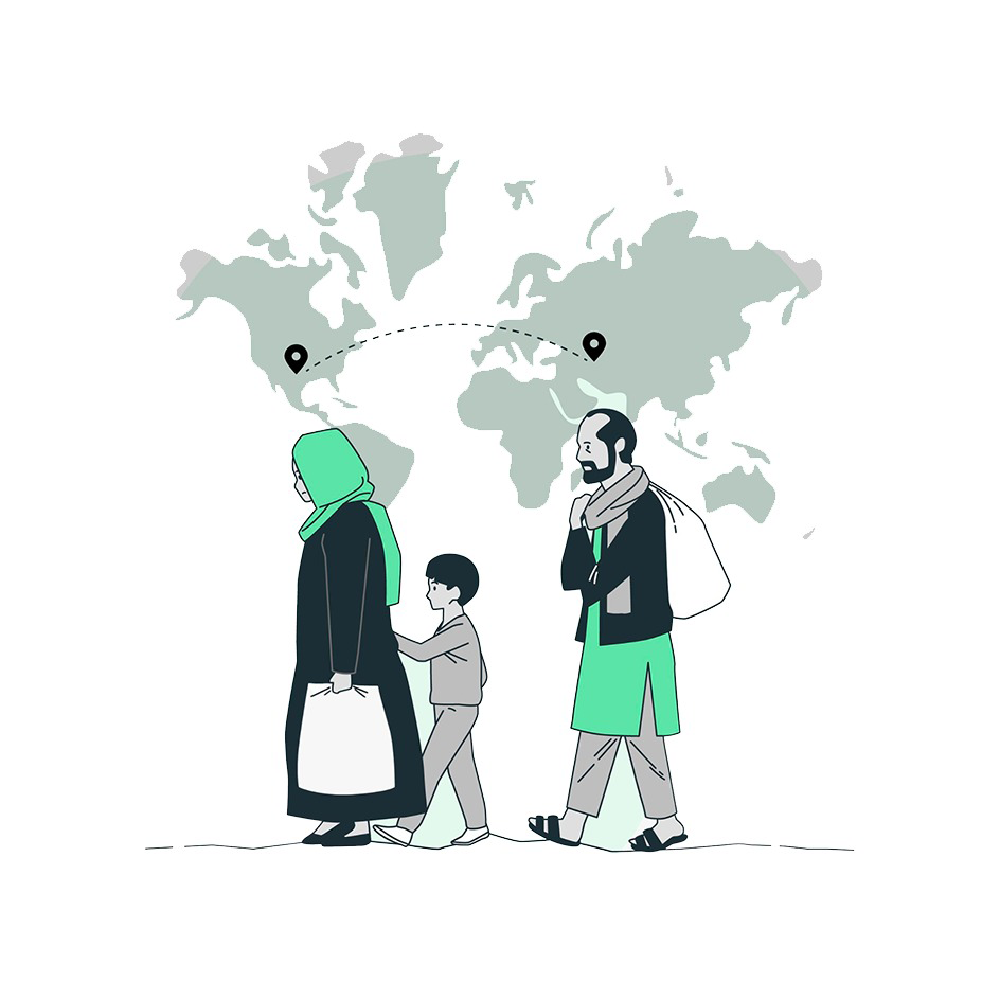
In Algeria, hundreds of thousands of
European settlers settled during the period of French occupation. In Palestine,
support for Zionist immigration during the period of the British mandate
constituted a major demographic and political shift that ended with the
establishment of the State of Israel in 1948.
Experts in colonial studies argue that
replacement settlement differs from traditional occupation because it seeks to
create a new demographic reality that makes political control more entrenched
and longer-lasting.
Colonial experience reveals that hegemony was not the product of military force alone, but was based on intertwined tools targeting education, identity, economy, geography, language, and population. While direct occupation has ended in most Islamic countries, the effects of these policies still appear in the border conflicts, developmental crises, and cultural challenges facing the region today. Hence emerges the importance of understanding history not for the purpose of recalling the past, but to extract the lessons necessary to build a more independent future capable of revival.
