









5 Causes of Colon Cancer
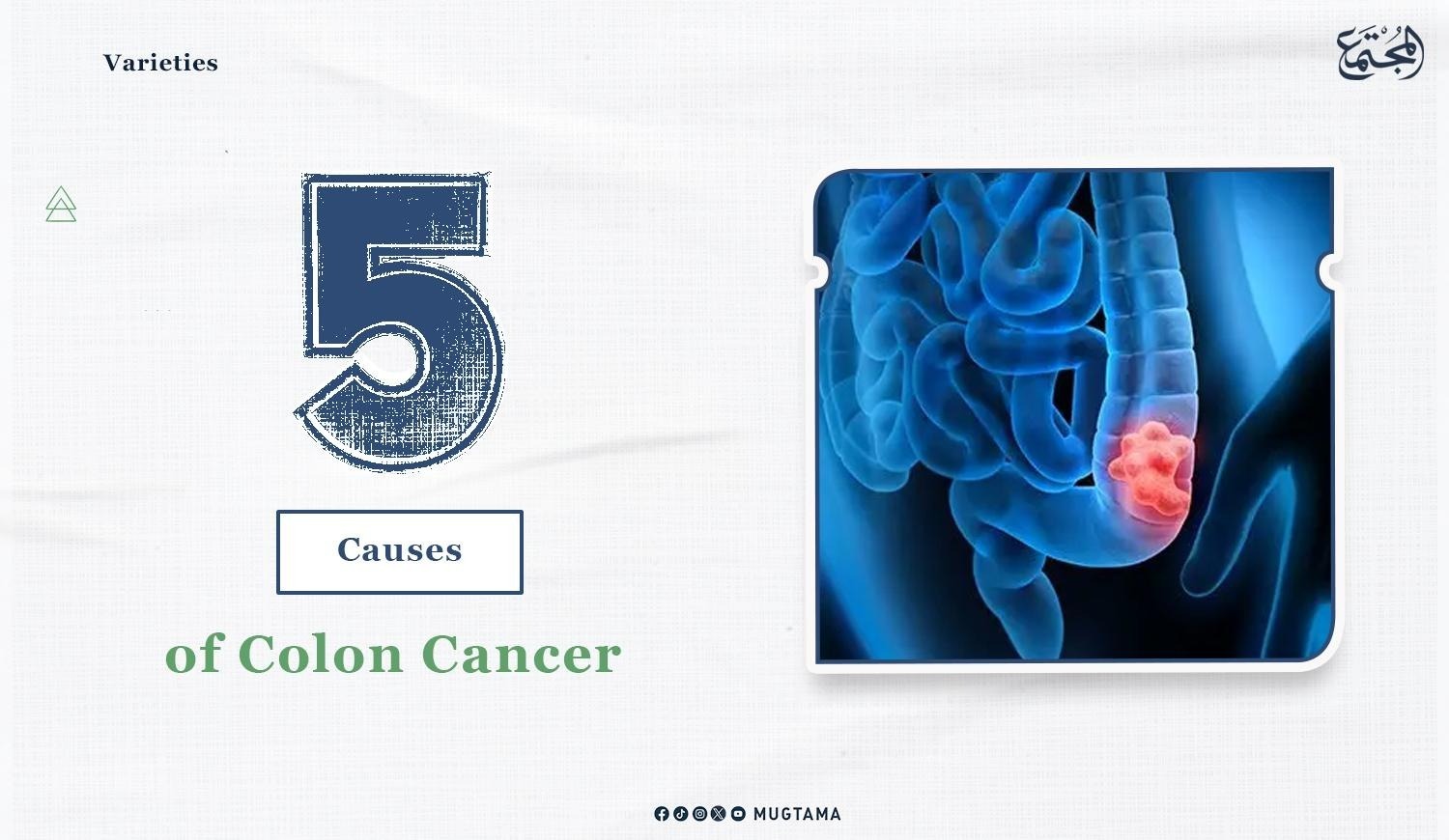
Colon cancer is
one of the most common types of cancer worldwide. It is the third most common
cancer globally, with around 2 million new cases and nearly 1 million deaths
recorded in 2022.
Colorectal
cancer affects the large intestine, including the colon and rectum. The risk of
developing the disease increases among people over the age of 50, and it can
often be fatal.
The highest
incidence rates are found in high income countries, particularly in Europe, the
United States, Australia, Japan, and New Zealand.
In the Middle
East and North Africa, colorectal cancer incidence rates range from 15 to 36
cases per 100,000 people.
Symptoms may
include changes in bowel habits, such as diarrhea or constipation, changes in
stool consistency, rectal bleeding or blood in the stool, abdominal pain, and
persistent bloating.
A study
published in The Lancet Gastroenterology & Hepatology suggests that an
experimental blood test may enable the early detection of colorectal cancer and
help prevent the disease by identifying high risk polyps before they develop
into cancerous tumors.
Because
prevention is better than cure, here are five major risk factors associated
with colorectal cancer:
First:
Fast food and ready made meals
According to a
recent study published in GUT, an international medical journal, the ongoing
harmful effects of fast food and ready made meals may increase the risk of
developing colorectal tumors.
Second: Fried foods and soft
drinks
A study
examining colorectal cancer cells found that a diet high in fried foods and
soft drinks may contribute to the growth of cancerous cells.
Third: A diet high in saturated
fat and low in fiber
Doctors and
specialists say that excessive consumption of foods rich in saturated fats and
low in fiber can increase the production of primary bile acids and lead to
their accumulation in the colon. Gut bacteria then convert them into secondary
bile acids, particularly deoxycholic acid, which has been found at elevated
levels in stool samples from people with colorectal cancer.
Fourth: Red meat
A study
published in Nature that examined the effects of 97 dietary factors on human
health found that red meat consumption was associated with a higher risk of
colorectal cancer, while the consumption of fruits, whole grains, and fiber was
associated with a lower risk.
Fifth: Smoking, alcohol, and
obesity
Colorectal
cancer rates have been rising among people under the age of 50. Recent studies
have linked this increase to factors including smoking, alcohol consumption,
and obesity.
To help reduce
the risk of colorectal cancer, experts recommend quitting smoking, maintaining
a healthy weight, limiting fat intake, exercising regularly, eating plenty of
fruits and vegetables, following a healthy diet, and avoiding fast food.
-------------------------------------------------------------