



Double Standards
When Injustice Overshadows Justice: The Cases of the Palestinians and the Rohingya
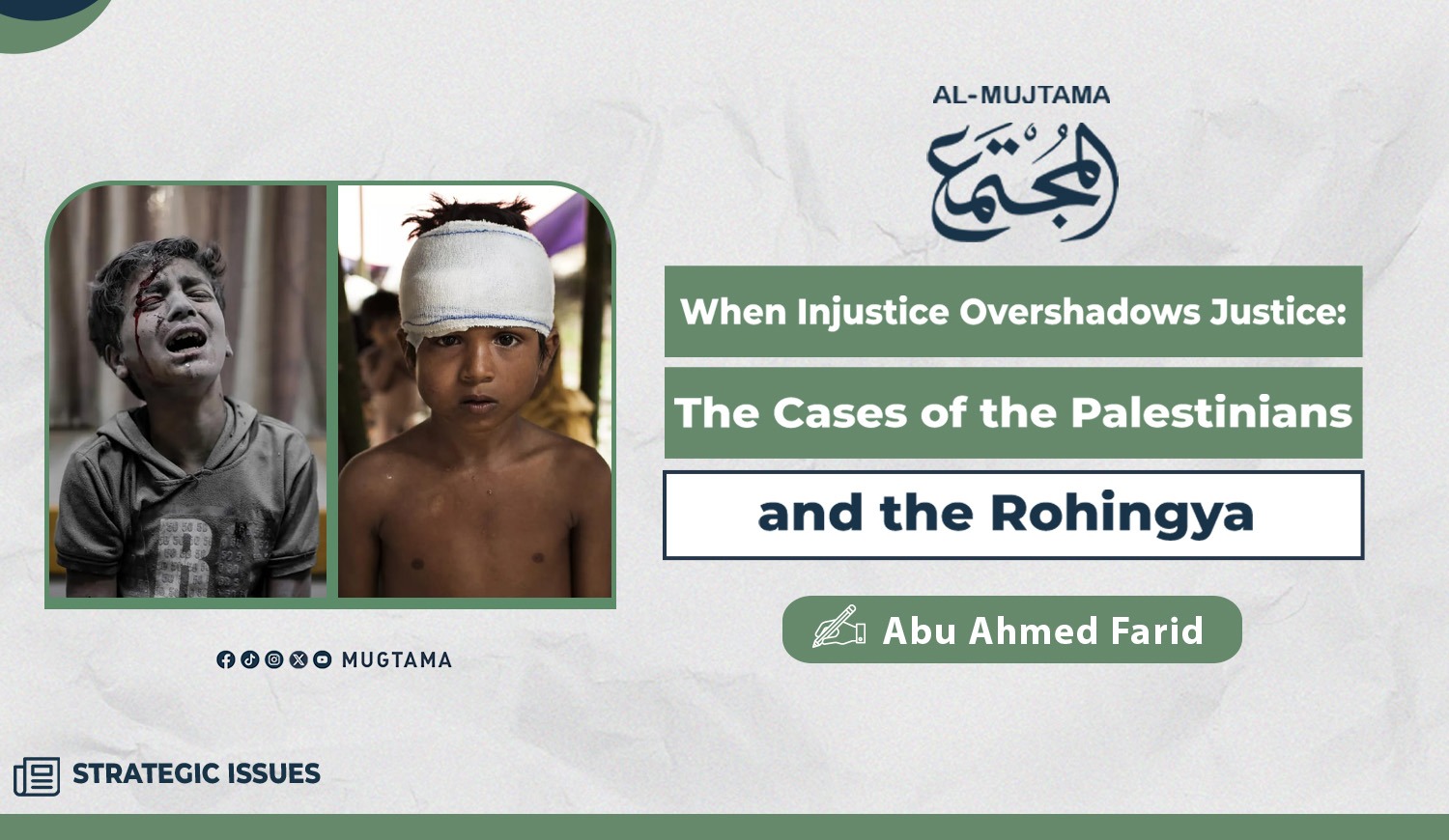
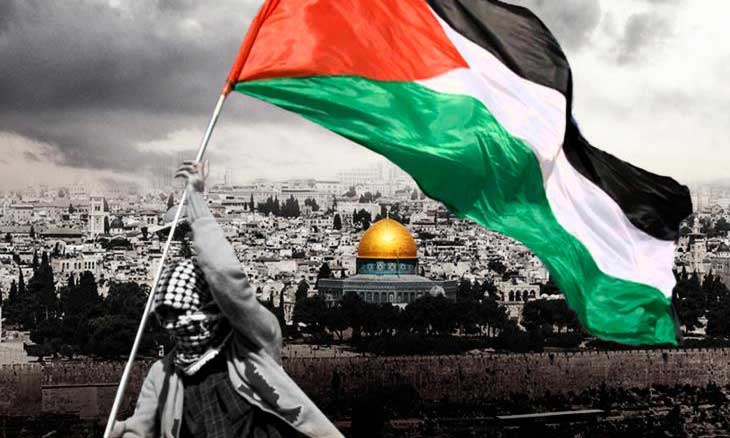
Amidst the multitude of international crises, each overshadowing the other, the world today witnesses a scene of brutal arrogance and inhumanity exercised by the Zionist occupation against the Palestinian people in Gaza. A crime that transcends all bounds of morality and humanity, and which finds no parallel since the First and Second World Wars(1914–1918 and 1939–1945). Since October7, 2023, a continuous assault on the Gaza Strip has left more than seventy thousand civilians dead—most of them women and children—amid a blatant disregard for internationalconventions and humanitarianlaw, and a complete dismissal of the moral principles that so-called “civilized nations” claim to uphold.
Crime Transcending Morality and Humanity
The systemic destruction of civilian life and infrastructure—including hospitals, schools, and essential aid networks—exposes a policy that seems less concerned with military strategy and more with rendering the land uninhabitable. This calculated infliction of starvation, disease, and mass displacement, supported by a political and media apparatus that justifies collective punishment, reinforces the chilling parallel to historical ethnic cleansing campaigns that the international community vowed, time and again, to never allow again.Gaza, the rightful owner of its
land, sees its blood spilled day after day, while the international community
stands by as a silent spectator. It is as if the human conscience has been
paralyzed, and as if the oft-repeated slogans of human rights, equality, democracy, and openness apply only to
certain peoples. This raises the fundamental question: Do these claims still
carry any moral weight in the eyes of the world’s peoples, or have they
entirely lost their credibility?
The Humanitarian Tragedy of the Rohingya
Although the Palestiniancause rightfully continues to dominate the scene due to its persistence and the repeated assaults it has endured since 1948, other humanitarian tragedies, such as the ongoing genocides of different people, need undivided international attention.Foremost among these is the plight
of the Rohingya Muslims
in Myanmar. Since August2017, the Burmese militaryand extremist Buddhists carried out one of the most horrific campaigns of
ethnic cleansing in the 21st century: hundreds of villages were burned,
thousands of civilians were killed, and currently more than 1.4 million
Rohingyas are taking shelter in the Bangladesh, Cox's Bazar refugee camps
and another 200,000 plus Rohingyas lingers in IDPs in
displaced places within Arakan
state.
Yet, more than seven years later,
their plight remains unresolved. The Rohingya refugees crammed into
Bangladesh’s camps continue to live under dire conditions, deprived of the most
basic requirements of human dignity. At the same time, the small minority that
remained in Rakhine State faces severe persecution and displacement at the
hands of the RakhineBuddhist rebel group, the Arakan Army, amid global silence and deliberate
media blackout.
Currently, almost all Rohingya areas
homeland in northern Rakhine are under the control of the Arakan Army rebel
group, which replaced the Myanmar military as the de facto authority. The group
now controls about 14 out of 17 townships, including Maungdaw and Buthidaung, home to most of
the remaining Rohingya population in Myanmar. However, this shift in control
has not alleviated their suffering. Instead, the Arakan Army rebel group has
imposed harsh restrictions and stands accused of grave human rightsviolations against Rohingya civilians, including forced labor and
discriminatory policies.