






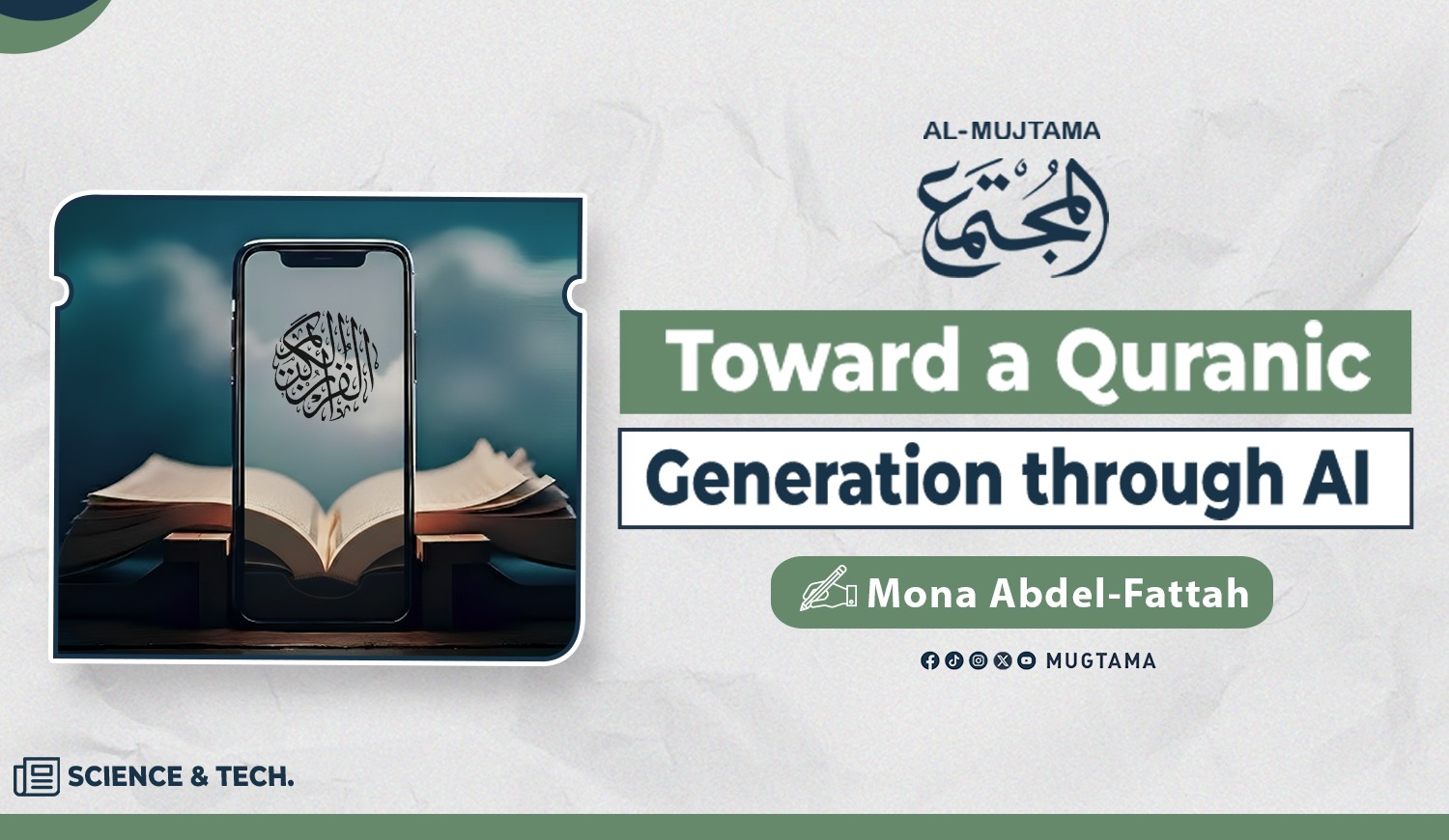
Toward a Quranic Generation through AI
Who among us
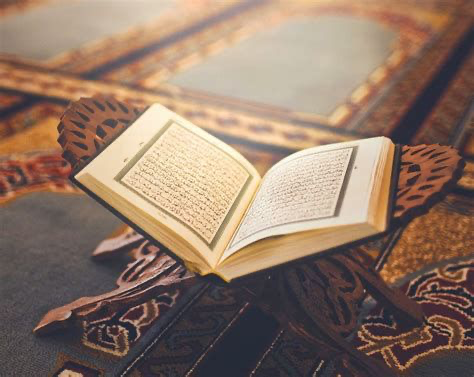
does not dream of raising his sons and daughters in the shade of the Book of
Allah? Who does not wish to nurture his little ones at the banquet of the Quran?
But is that truly possible today?
Raising the
young upon the banquet of the Quran is no longer an easy or readily accessible
matter, compared to how it was decades ago. The traditional kuttab and Quranic
schools have receded before the overwhelming spread of modern means of
communication, and the cancer of “Reels” and “TikTok”
clips has crept into the minds and hearts of young bodies.
The Book of
Allah is not in competition with anyone, nor is it in conflict with other human
products. Yet the immense challenges imposed by our contemporary reality have
placed callers to Allah, scholars, and those responsible for educational and
faith-based environments in a great and difficult dilemma.
Perhaps the
confrontation is unequal—not due to any weakness, deficiency, or shortcoming in
the content of Quranic revelation, for such a notion would never cross the mind
of any sane Muslim—but rather because of the methods of presentation and
attraction, which have witnessed unprecedented development in recent years.
Da`wah Arts
The American
researcher Michael Hart says in his well-known book The 100: A Ranking of
the Most Influential Persons in History: “There is no book in the history
of revelations that has remained completely intact in its letters without
alteration except the Quran. In our hands is a unique book in its authenticity
and preservation; its validity has never been doubted as it was revealed. This
book is the Quran.”
This great Book
requires mastery in calling people to it. Part of the art of da`wah to Allah
may lie in innovating new means and methods that attract both young and old to
the banquet of the Quran, guiding the youth to the light of the Wise
Remembrance and igniting in their hearts a longing for the straight path.
Indeed, there
are those who have hastened to keep pace with the times and have presented
Islam well, innovating new approaches in this field: the electronically
speaking Quran, smart applications for memorizing the Quran, and specialized
electronic platforms for Quranic sciences, recitation, and tajwid.
Smart Applications
Modern
smartphone applications offer qualitative features such as simplified tafsir,
translation into foreign languages, and recitation correction—such as the
“Tarteel” application, which helps users correct recitation and improve
pronunciation and tajwid, and the “Mudakkir” platform, an electronic
educational program designed to firmly instill the meanings of the Quran
through advanced technical services.
Technological
creativity continues in this field through the provision of smart applications
that use illustrative images for the meanings of verses, helping the reader to
sense the words of Allah, while offering attractive designs for children that
motivate them to memorize the Quran and gather around its banquet, in a
spiritual, faith-filled journey blended with modern technology.
Among the new
applications is “augmented reality” technology, which allows verses to be
displayed interactively in a three-dimensional environment. The reader will be
able to browse the pages of the Quran anywhere using smart glasses, turn pages
with a hand gesture or eye movement, or move into environments inspired by
specific verses—such as descriptions of Paradise or scenes from the stories of
the prophets—by creating a virtual Quranic environment that enables a fully
immersive spiritual experience.
In the coming
years, new and innovative technological means will become available, including
devices integrated into the environment that automatically display Quranic
verses on wall surfaces at certain times or when reminders are needed, making
the Noble Quran a central component of daily life. Readers will also have the
opportunity to ask questions and request in-depth answers, with artificial
intelligence providing comprehensive responses that synthesize the essence of
books of tafsir and religious sciences.
Technological Addiction
The widespread
preoccupation—especially among children—with short clips on YouTube, TikTok,
and others, to the point of a pervasive state of addiction,
requires us to innovate new tools and qualitative means to attract them to the
Book of Allah. This can be done through organizing global competitions among
countries and peoples, and broadcasting professional media programs tasked with
reviving the torches of the Quran in homes, hearts, and minds.
Part of the
necessity of da`wah leadership is urging Arab and Muslim researchers, scholars,
and inventors to develop smart applications that protect our Noble Book from
distortion at the hands of suspicious Western organizations, and preserve its
dignity from technological misuse that could be exploited negatively to disturb
the state of tranquility and serenity that the words of Allah spread among
their readers and listeners.
Our call is not
a demand for a “remote control” to move between pages of the Quran, or to
display its meanings on touch screens, or to reflect upon its verses through
artificial intelligence applications. Rather, it is a call to innovate new da`wah
arts and to spark the interest and passion of our children for the most sacred
Book on the face of the earth.
If the
promoters of museums and antiquities innovate every day to attract people to
view stones that neither speak, nor hear, nor see—then what about the words of
the Lord of the Worlds, whom Allah has promised to preserve, saying: “It is certainly We Who have revealed the Reminder, and
it is certainly We Who will preserve it.”
(Al-Ḥijr 15:9)
Are we not, as
Muslims, in need of reviving our hearts and souls with this great Book, which
Allah described as blessed in four places, saying: “This
is a blessed Book which We have revealed—confirming what came before it.”
(Al-An`am 6:92)
And His saying:
“This is a blessed Book We have revealed. So
follow it and be mindful ˹of Allah˺, so you may be shown mercy.” (Al-An`am 6:155)
And His saying:
“And this ˹Quran˺ is a blessed reminder which We have
revealed. Will you ˹pagans˺
then deny it?” (Al-Anbya’ 21:50)
And His saying:
“˹This is˺ a blessed Book which We have revealed
to you ˹O
Prophet˺
so that they may contemplate its verses, and people of reason may be mindful.” (Sad 38:29)
Read Also:
-
3 Positive Effects of Memorizing the Holy Quran
-
Our Children and “The State of Recitation”
-
Carriers of the Qur'an (1) Noblest Rank and Greatest Assest
-------------------------------------------------------------