





Algorithmic Bias with Occupation:
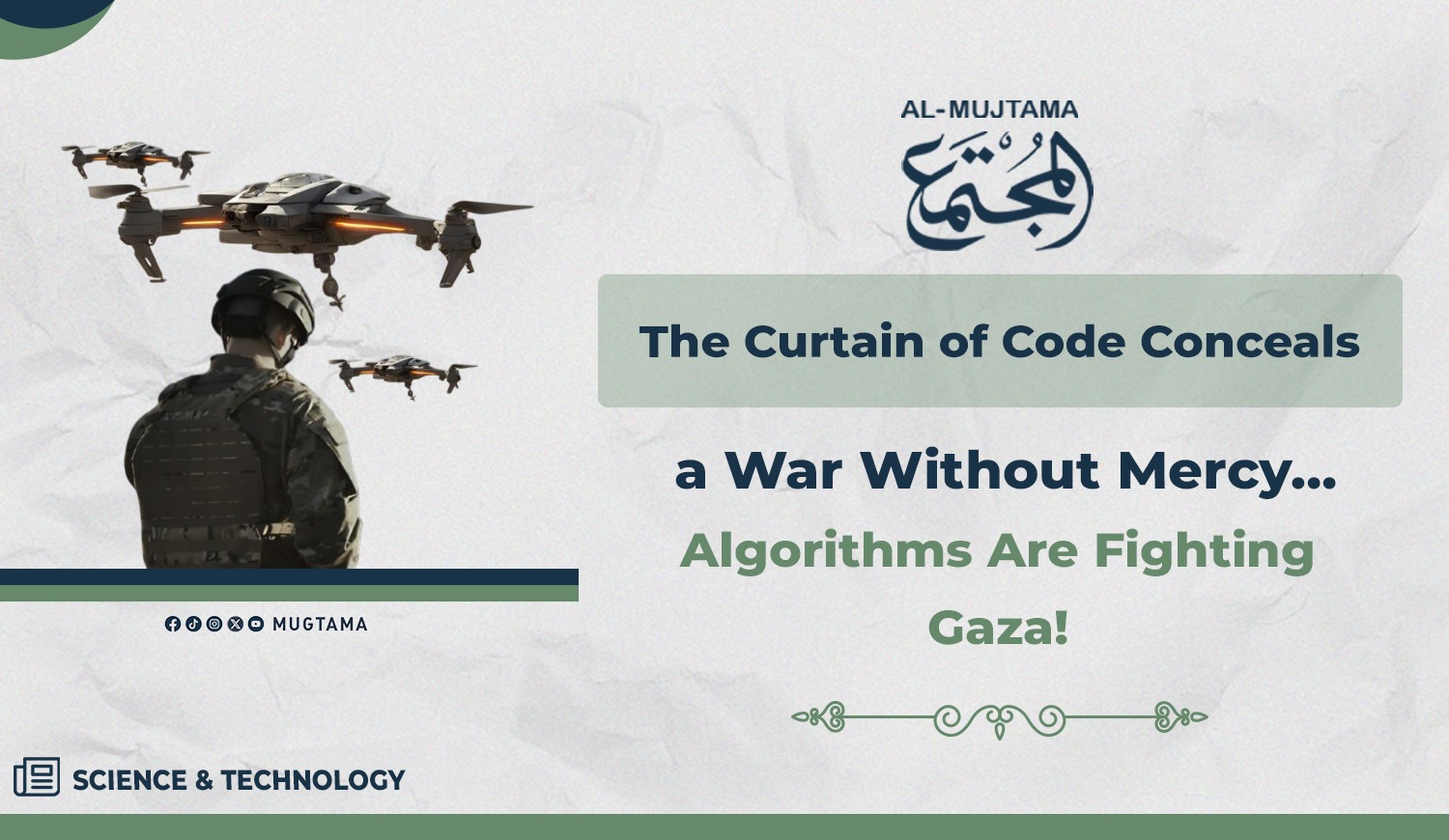
The Curtain of Code Conceals a War Without Mercy… Algorithms Are Fighting Gaza!
In every war, there are enemies known by name and identity, proudly displaying their weapons, equipment, and strength. They lay most of their cards and soldiers on the table, keeping some in their pockets, hidden behind masks, to launch their shells from behind the curtain—like hypocrites. They are neither overt enemies for us to fight, nor allies for us to strengthen ourselves with, nor peaceful so that we can be safe from their cunning.
In Gaza, the fighting is not limited
to land, sea, and air, nor to bullets and shells, planes and missiles, or
geographical siege. Instead, it has extended far beyond to include a digital
siege, where algorithms silently stand against the truth, hiding its
testimony, stifling its cries, applauding falsehoods, legitimizing their
tricks, and clothing them in the guise of injustice and helplessness. They
delete everything that exposes their tyranny and might, creating a biased
narrative that knows no fairness and acknowledges no justice.
Algorithmic
Bias: A Machine Against Truth
Algorithms serve as the mastermind
behind digital platforms like Facebook, YouTube, Instagram, and TikTok. They
control the content published on these platforms and are supposed to be
neutral, without bias toward anyone, conveying what the user wants and showing
them what they are interested in and what suits their desires, because, above
all, they are merely machines.
However, reality shows otherwise,
especially in issues hostile to the major systems controlling these platforms.
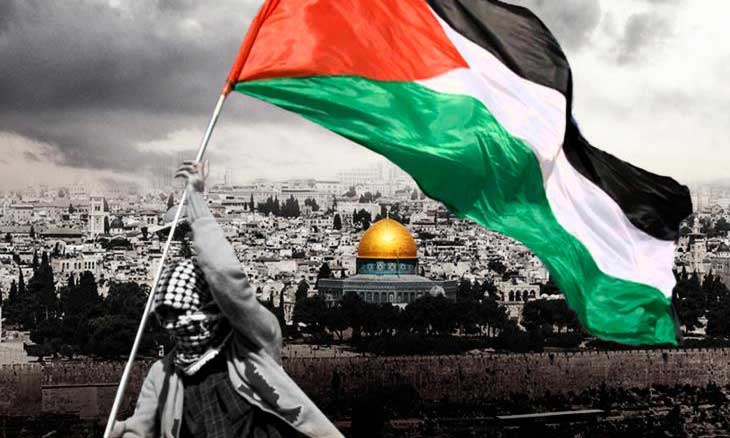
The Palestinian cause is a prime example of this bias, where these systems
practice many forms of oppression, relying on algorithmic bias. What appears on
digital screens is far less than what happens on the field, and what these
platforms transmit is completely different from what happens in the
battlefield, not to mention the scarcity and deletion of pro-Palestinian
content, and the widespread publication of content supporting the Zionist flag
across the globe!
How
Algorithmic Bias Works Against Gaza
Global digital platforms have shifted
to a security-police surveillance approach using artificial intelligence
through algorithms. With frequent use of these platforms, users have discovered
that they ban any content or post containing words, images, or videos about the
resistance in particular and the Palestinian issue in general. This is known as
algorithmic bias. In fact, all content containing words like
"Zionist occupation," "struggle," "Hamas,"
"jihad," "martyrdom," "Palestinian casualties,"
etc., is banned.
The strange thing is that this happens
with a clear methodology, indicating that these platforms prohibit publication
and impose blackout on everything published against the Zionist occupation.
They justify this with pretexts of preventing violence, violating platform
community guidelines, banning egregious images, preventing hate speech, and
combating terrorism propaganda, among many flimsy excuses. Anyone who publishes
or shares anything about this issue has their account or some account
activities (like commenting) blocked. The ban can range from one day to 90
days, and may even be permanent, because, from their perspective, you are a
criminal and supporter of violence, resistance, and terrorism!
Gaza: The
Catalyst for Algorithms
If we track the history of Facebook's
trials during the Gaza war and before, we would find that the Gaza war was the
impetus for launching algorithms as a weapon against any activity exposing the
crimes of the Zionist occupation or condemning its actions. Algorithms were
originally launched to prevent media resistance through social media and to
tighten the noose on accounts, such as blocking news from the Sheikh Jarrah
neighborhood in Jerusalem, deleting Mohammed El-Kurd's account content,
restricting hashtags like "#AlAqsaFlood,"
"#GazaUnderAttack," and "#GazaIsStarving," and suspending
Mariam Barghouti's account. Not long ago, Facebook alone banned 130,000
accounts that participated in the hashtag “SaveSheikhJarrah" under the
pretext of violating its community standards.
On the other hand, American human
rights activist Jillian York confirmed that Arabic content published on social
media platforms is censored significantly more than content published in
Hebrew. At the end of 2016, "Israel" pressured media companies and
social networks with a new law imposing exorbitant financial penalties on
companies that did not promptly deal with requests from the "Israeli"
government to delete any content related to the Palestinian issue that they
deemed hostile to their policies and incitement to hatred.
Human Rights
Watch Report
In a report issued by Human Rights
Watch, it confirmed that Meta's policies are increasingly and significantly
silencing pro-Palestinian voices on Instagram and Facebook, especially amidst
the "Israeli" war of extermination on Gaza. There is a pattern of
unjustified suppression and removal of pro-Palestinian content, even if the
expression is peaceful and the discussion is public about the human rights of
Palestinians. Dozens of posts documenting Palestinian injuries and deaths of
news value have also been removed.
The report emphasized that Meta's
censorship of pro-Palestine content worsens matters amid the atrocities and
horrifying forms of oppression that stifle Palestinian expression. The
organization reviewed 1050 cases of online censorship in over 60 countries and
found that the content of these cases aligned with the findings of reports from
Palestinian, regional, and international human rights organizations detailing
Meta's censorship of pro-Palestinian content.
The report identified six main
patterns of censorship: account suspension or permanent removal,
content removal, inability to interact with content, restrictions
on using features like live streaming on Facebook/Instagram, inability
to follow or tag accounts, and shadow banning (reducing the
visibility of a person's posts without notice).
The Result
of Algorithmic Bias Against Gaza
If we look at the consequences of
algorithmic bias against Gaza, we would find them far more dangerous than
shells and bullets, because they work to:
1.
Distort the true picture of reality and prevent the suffering and extermination of Gaza
from reaching the world. Events in many parts of the world appeared as if they
were a balanced conflict, while there is aggression, killing, and destruction
of cities and civilians.
2. Falsify global public
awareness resulting from misleading international followers.
Painful content about Gaza is not displayed, while content from the other side
is amplified. This in itself weakens global solidarity with this cause.
3. Silence the victim and
acquit the oppressor. When hashtags like "#GazaUnderAttack" or
posts documenting massacres are banned, it contributes to absolving the
aggressor of their crimes by removing evidence from the digital sphere. Thus,
platforms become a weapon in the hands of the strong, instead of doing justice
to the weak.
4. Discourage international
pressure and solidarity campaigns resulting from restricting or preventing
pro-Palestinian content. This weakens global public opinion pressure on
governments to adopt fair stances, leading to the prolongation of war, crimes,
and genocide.
5. Create an unsafe digital
environment for both Palestinians and their supporters. The
feeling among activists that their voices are targeted on social media
platforms leads to a degree of self-censorship and fear of free expression.
This in itself creates a stifling atmosphere in the digital space.
6. Weaken the digital
archive of Palestinian memory due to content deletion and restriction. This
significantly impacts the historical narrative for future generations, leaving
many gaps in their understanding, with no real fairness or complete
transmission of the truth.
From this, it becomes clear that while Gaza's homes are bombed with rockets, the truth on the other side is bombed by algorithms. And while the first enemy is known by its uniform and weapon, the most dangerous enemy remains behind the curtain, distorting events, obscuring facts, reshaping global awareness, and fighting an unseen digital war that is no less fierce than that fought on the ground.