







Social Reform Society: Notable National Stances
.jpeg)
Founding of the Society
On Saturday, 16 Muharram 1383 AH / June 8, 1963, thirty
Kuwaiti men gathered at the diwan of Haj Fahd Al-Hamad Al-Khalid to discuss the
necessity of establishing an Islamic entity in Kuwait to help preserve the
religion and morals of society. The attendees agreed to establish a new
organization under the name Social Reform Society.
The Society was officially declared on August 4, 1963, after
the decision was published in the official gazette, in accordance with Law No.
(24) of 1962 on the establishment of clubs and public-interest associations,
following the dissolution of Al-Irshad Society and several other associations
in 1959.
Early Vision and Charitable Role
Since its inception, the Society has adhered to preserving
Islamic traditions and reinforcing the religious values and principles upon
which Kuwaiti society was built. It played a prominent role in charitable work,
assisting those in need both inside and outside Kuwait.
National Contributions
The Society has made significant national contributions aimed
at maintaining the cohesion of Kuwaiti society and strengthening its unity.
Among its most notable roles:
- 1964 –
Led efforts against alcohol by organizing awareness lectures in schools
and diwaniyas, highlighting its harms to individuals and society.
- 1977 –
Advocated for the establishment of an Islamic bank, culminating in the
creation of Kuwait Finance House.
- 1982 –
Played a pioneering role in establishing the College of Sharia and Islamic
Studies and contributed to founding the Zakat House.
Intellectual and Cultural Initiatives
- 1970 –
Launched Al-Mujtama magazine, which became a global Islamic
platform featuring contributions from leading Islamic thinkers such as
Sheikh Dr. Yusuf Al-Qaradawi, Sheikh Mohammed Al-Ghazali, Dr. Abdullah
Al-Nafisi, and Dr. Mohammed Amara.
- 1975
onwards – Organized the annual Islamic Book Fair,
promoting knowledge and Islamic culture.
Role During the Iraqi Invasion
Before the Iraqi invasion, the Society, led by Abdullah Al-Ali Al-Mutawa (may God have mercy on him), headed a delegation of public-interest
associations to meet the late Emir Sheikh Jaber Al-Ahmad Al-Sabah, pledging
full support for national defense.
During the invasion, the Society played a vital role:
- Established
solidarity committees to sustain citizens by managing cooperatives and
bakeries.
- Participated
in armed resistance, offering martyrs such as Yusuf Khater Al-Souri and
Nayef Majlad Al-Maqbool Al-Ajmi.
- Contributed
to the Popular Conference in Jeddah, with Abdullah Al-Mutawa and Dr.
Nasser Al-Sane playing key roles in unifying ranks.
- Women
also participated honorably through the women’s committee at the Kuwaiti
consulate in Dubai and the “Free Kuwait” campaign in London.
Post-Liberation and Modern Efforts
After liberation, the solidarity committees continued their
work, distributing water to homes.
During the COVID-19 pandemic, the Society established the
volunteer team Fazaa, led by Vice President Mohammed Al-Omar, in
cooperation with Nama for Zakat and Charity, to provide support and
distribute essential supplies to quarantine centers and those in need.
Current Crisis and Regional Challenges
In the present circumstances, with regional challenges, the
Society has issued statements affirming its support for Kuwait’s political
leadership, calling for unity and strengthening the internal front.
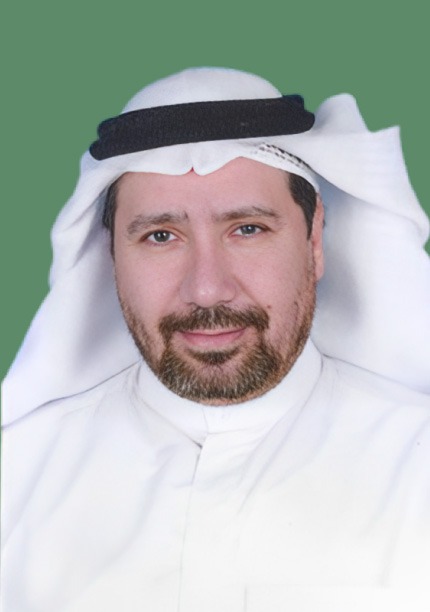
The first message from public-interest associations came from
Dr. Khaled Al-Madhkour, President of the Society, urging Kuwaitis to rally
around their leadership and reassuring them that Kuwait is safeguarded by God’s
protection as a land of goodness and generosity.
Not Favors But Duties
The Social Reform Society’s contributions are not favors but
duties dictated by religious and moral values. Despite voices that deny or
diminish its efforts, the facts remain clear—truth cannot be concealed.
It is incumbent upon fair-minded individuals to acknowledge
the Society’s merits, for recognizing the virtues of those who serve is a mark
of honor, while denial is the trait of the ungrateful.
To our brothers in the Social Reform Society: continue your
journey, pay no heed to discouraging voices, for sincere giving will carve its
path and leave its mark in serving the nation and society.