









Gulf Economies Amidst Iran-Israel Conflict
Repercussions of the Iran-Israel War on the Gulf Economy
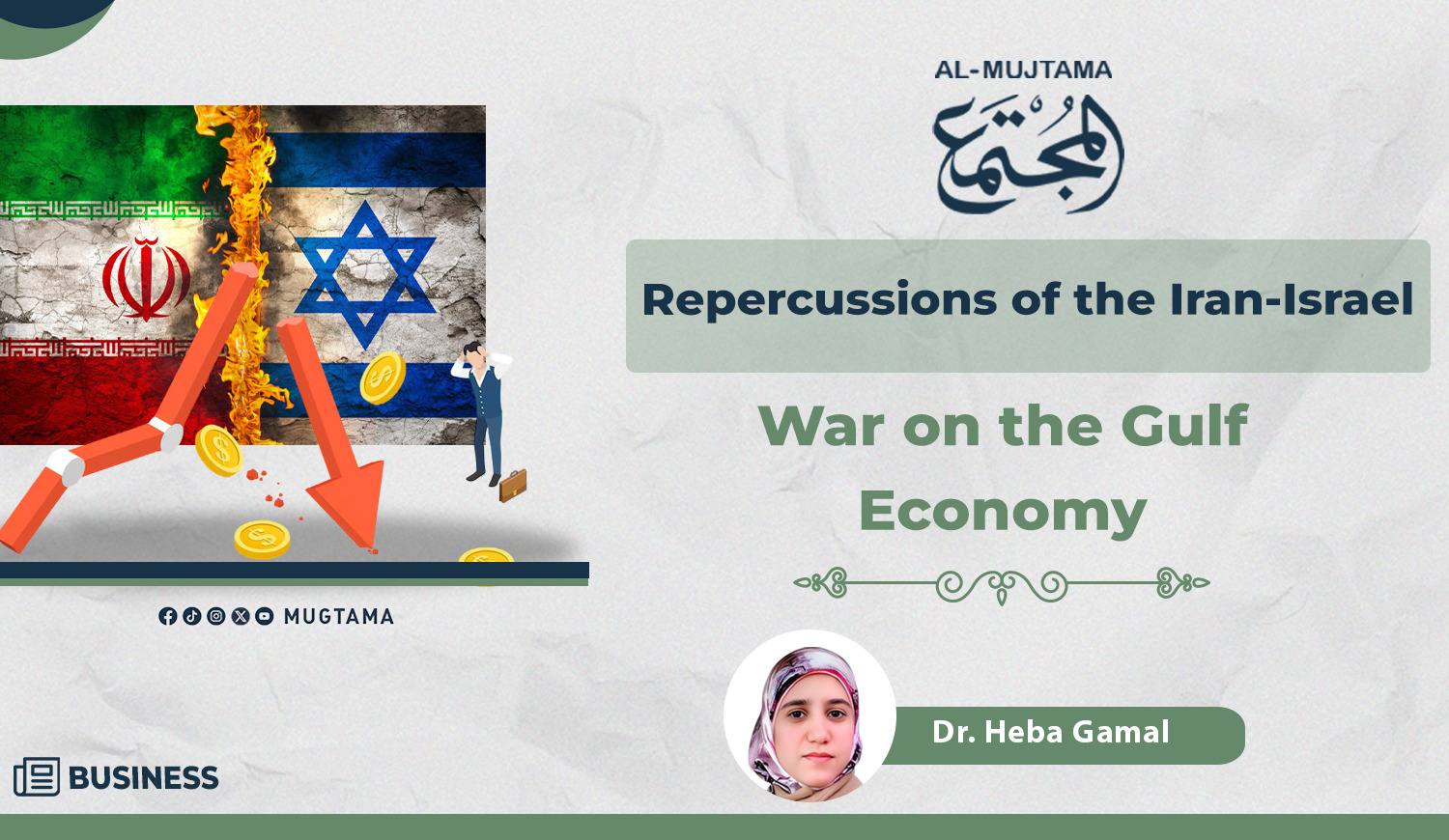
The Article Highlights
·
Oil prices surged 10% due to supply disruption fears,
impacting 21% of global supply passing through the Strait of Hormuz.
·
Gulf oil/gas facilities face direct threats; Saudi
Arabia and UAE are strengthening protections.
·
Maritime routes are imperiled, increasing shipping
costs (30-40%) and marine insurance (50%).
·
Foreign direct investment is down 15-20% as investors
seek safer havens, hitting diversification plans.
·
Flight cancellations, reduced tourism (30% drop in
visitors), and risks to food import supply chains are evident.
·
Financial Pressures: Gulf currencies face pressure,
and financial markets have declined 10-15%.
· GCC states are enhancing economic security (e.g., "Gulf Cyber Shield"), engaging in active economic diplomacy, and implementing proactive fiscal policies.
Since the dawn of Friday, June 13, 2025, the region has
witnessed an unprecedented military escalation between Iran and Israel, marked
by intensive Israeli airstrikes targeting nuclear and military facilities
inside Iran.
This escalation poses a direct threat to the economic
stability of the Gulf Cooperation Council (GCC) states, which find themselves
at the heart of a regional storm that could reshape the political and economic
landscape of the region. Consequently, Gulf economies, heavily reliant on the
oil sector and foreign investments, face severe challenges requiring an
immediate strategic response.
First: Impacts on the Energy and Oil
Sector:
1. Sharp Fluctuations in Oil Markets: Oil
prices have experienced sharp fluctuations since the start of military
operations, with the price per barrel rising by more than 10% in the first days
of the conflict. This increase reflects market fears of supply disruptions.
The price of a barrel of oil rose by about 10% in the first
days of the conflict, reflecting market fears of supply disruptions.
According to the U.S. Energy Information Administration (EIA)
report issued in June 2024, approximately 21 million barrels per day pass
through the Strait of Hormuz, which accounts for about 21% of global supplies
of oil and petroleum liquids (EIA, 2024). Additionally, Gulf states, which
produce about 20% of the total global oil, face increasing challenges amid
rising marine insurance costs.
2. Risks to Energy Infrastructure: Oil and
gas facilities in the Gulf face direct risks if the conflict extends, similar
to the 2019 attacks on Saudi Aramco facilities. Consequently, Saudi Arabia and
the UAE, which possess reserve production capacity of 5-6 million barrels per
day, are strengthening protection measures around their vital facilities.
Oil and gas facilities face direct risks if the conflict
extends, and there is a direct threat to maritime navigation.
3. Shifts in Energy Policies: Gulf states are
accelerating energy cooperation to confront challenges. Saudi Arabia and the
UAE have announced plans to activate a "Gulf Energy Shield" to
protect oil infrastructure. GCC states are also considering options to reroute
oil tankers away from the Strait of Hormuz if the crisis escalates.
Second: Repercussions on Trade and
Maritime Navigation:
1. Disruptions in Maritime Passages: The
current escalation poses a direct threat to maritime navigation in the Arabian
Gulf, where about 25% of global trade passes through these routes. Several
international shipping companies have announced rerouting their vessels via the
Cape of Good Hope, increasing shipping costs by 30-40%.
The activation of a "Gulf Cyber Shield" and enhanced
maritime security cooperation through the "Gulf Maritime Alliance"
are necessary.
2. Increased Marine Insurance Costs: The cost
of insuring ships and tankers has risen by 50% since the start of the crisis,
increasing export burdens on Gulf economies. GCC states are considering
establishing a joint Gulf insurance fund to alleviate these burdens.
3. Impact on Economic Zones: Special economic zones
and major seaports in Dubai (Jebel Ali) and Bahrain (Khalifa Bin Salman Port)
face logistical challenges due to slower vessel movement and increased security
procedures.
Third: Shocks to Non-Oil Sectors:
1. Decline in Foreign Investment: Initial
estimates indicate a 15-20% decrease in foreign direct investment flows to the
region since the start of the crisis, with investors seeking "safe
havens." This threatens economic diversification plans outlined in the
Gulf's 2030 visions.
2. Disruptions in the Tourism Sector: Major
Gulf airlines (such as Emirates and Qatar Airways) have announced the
cancellation of 20% of their flights to the region due to security concerns.
Major tourist destinations like Dubai and Abu Dhabi are also experiencing a 30%
decrease in visitor numbers.
3. Food Security Challenges: With Gulf states relying
on food imports for 80-90% of their needs, supply chains face risks due to
navigation disruptions. Consequently, these countries are activating emergency
plans to boost strategic reserves of essential goods.
Fourth: Financial and Monetary
Repercussions:
1. Pressure on Currencies and Reserves: Gulf
currencies pegged to the dollar face pressure due to oil price fluctuations.
While GCC states possess significant reserves (exceeding two trillion dollars),
a prolonged crisis could increase budgetary pressures.
2. Volatility in Financial Markets: Gulf
financial markets have experienced a 10-15% decline since the start of the
crisis, with short-term capital fleeing. Gulf sovereign wealth funds are making
supportive interventions to absorb shocks.
... and strengthening Gulf economic integration and building
more resilient and shock-resistant security and economic systems.
3. Challenges for Monetary Policies: Gulf
central banks face a dilemma between raising interest rates to match the
Federal Reserve or lowering them to support economic growth affected by the
crisis.
Fifth: Gulf Strategic Response:
1. Enhancing Economic Security: This involves activating
the "Gulf Cyber Shield" to protect financial and energy
infrastructure, strengthening maritime security cooperation through the
"Gulf Maritime Alliance," and accelerating economic diversification
plans to reduce oil dependence.
2. Active Economic Diplomacy: By intensifying
diplomatic efforts to contain the crisis, as seen in the unified Gulf statement
condemning Israeli aggression, strengthening cooperation with international
partners to ensure stable energy markets, and calling for an emergency Gulf
summit to discuss the repercussions of the crisis.
3. Proactive Fiscal Policies: Through activating Gulf
financial stability funds, implementing stimulus packages to support the most
affected sectors, and strengthening Gulf financial integration through unified
payment systems.
Consequently, Gulf states face a critical test of their
economic resilience in confronting this geopolitical storm. While the region's
economies possess strong financial reserves capable of absorbing short-term
shocks, a prolonged crisis could jeopardize ambitious economic transformation
plans.
The current crisis has highlighted the urgent need to
accelerate the pace of structural reforms, enhance Gulf economic integration,
and build more flexible and shock-resistant security and economic systems. The
decisions made by GCC states at this critical juncture will help shape the
future trajectory of their economies for decades to come.
At the same time, this escalation presents a strategic opportunity for Gulf states to demonstrate their ability to turn crises into catalysts for recovery and sustainable growth while maintaining a political and economic balance that ensures the protection of their interests in a highly volatile regional environment.
