








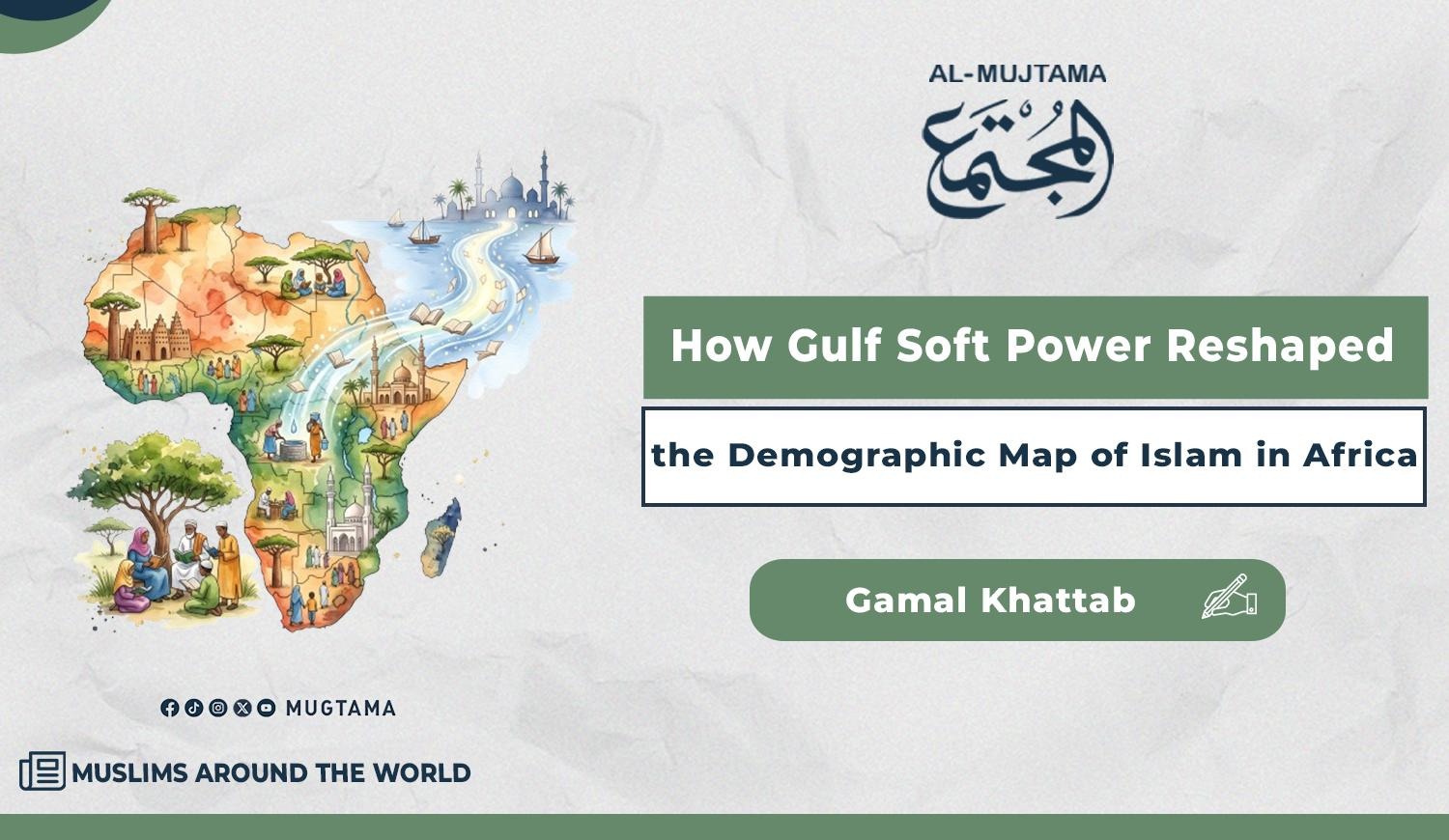
How Gulf Soft Power Reshaped the Demographic Map of Islam in Africa
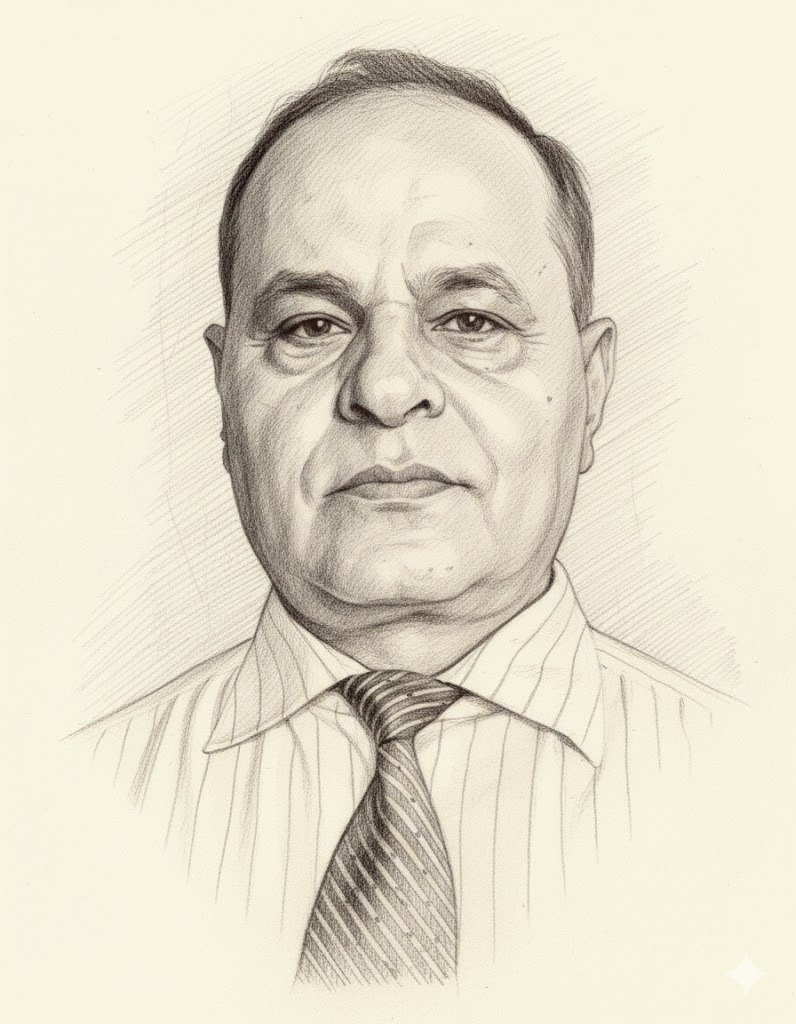
In the 1980s, the late Kuwaiti physician Dr. Abdul RahmanAl-Sumait arrived in a remote region of Africa that was suffering from
severe drought and a acute lack of basic services. He did not begin his
conversations with the locals by speaking about religion or creed; instead, he
simply asked about water.
He discovered that dozens of families traveled long distances every day just to fetch unsafe drinking water, and that waterborne diseases were regularly claiming children's lives. As wells were dug and healthcare and education were provided, the lives of the local people quietly began to transform. A deep bond of trust started to flourish between the local communities and those leading these humanitarian projects. This experience would later become one of the most prominent examples of what became known as the philosophy of "Dawa through Relief"—an approach championed by Al-Sumait throughout his long service across the African Continent
This story tells more than just one man's biography; it opens
a window into understanding a much broader transformation experienced by Africa
in recent decades. A continent long associated in international reports with
poverty, conflict, and famine has today become one of the world's most
significant centers of Muslim demographic growth. Behind these shifts
lies a complex web of demographic, social, economic, and humanitarian factors
that interacted to redraw the continent’s religious landscape.
Youthful Demographics and Natural
Growth
International demographic studies indicate
that Africa—particularly Sub-Saharan Africa—is witnessing some of the
fastest population growth rates globally. Youth make up the vast majority of
the population in many African nations, while fertility rates remain high
compared to much of the rest of the world. Against this backdrop, natural population
growth has emerged as one of the primary drivers behind the rising number of
Muslims across the continent.
A Network for Human Development
However, numbers alone do not tell the whole story. Across
remote villages stretching from East to West Africa, an extensive network of
charitable and developmental organizations has taken root over recent decades.
Driven by various Arab and Islamic entities—among which Kuwait and the Gulf
states have maintained a prominent presence—these efforts went far beyond
providing emergency relief. They focused on constructing schools, hospitals,
water wells, training centers, and social institutions, making them an integral
part of everyday local life.
Development as a Means for Human
Empowerment
Humanitarian workers realized a simple truth: a person
searching for water, medical treatment, or an educational opportunity does not
initially need slogans; they need someone to help them navigate daily crises.
Hence, sustainable development projects gained extraordinary significance in
impoverished African environments. A well was never just a source of water—it
served as a social gathering point. A school was not merely a building—it was a
gateway to a different future. A health center was often the very first
tangible presence of an institution capable of providing regular services to
the population.
Turning Ideas into Reality
Dr. Abdul Rahman Al-Sumait was among the pioneers who
translated this vision into an integrated methodology. Rather than separating
humanitarian aid from Islamic outreach (Dawa), he believed that human
development itself could serve as a universal language understood by all.
Consequently, the initiatives he overseen in Africa targeted the most pressing
challenges: water access, healthcare, education, orphan care, and local economic
development.
Community Trust as a Gateway to
Cultural Affinity
Over time, the impact of these projects extended far beyond
their immediate service goals. When communities feel that an organization has
helped them overcome thirst, disease, or illiteracy, a foundation of trust and
mutual respect is established. This trust paved the way for broader cultural,
social, and religious resonance, strengthening the presence of Islam within
communities that were inherently religiously and culturally diverse.
Change Through Coexistence, Not
Coercion
Perhaps the defining feature of this African experience is
that these shifts did not occur through confrontation or coercion, but through
daily interaction and shared living experiences. In many villages, the initial
contact between residents and Islamic charitable organizations began with a
water well, a classroom, or a mobile medical clinic, before gradually maturing
into a deeper relationship built on community partnership and cultural
engagement.
From Fleeting Aid to Sustainable
Stability
A striking example in this context is the spread of integrated
development complexes that combine multiple services in a single location.
Instead of building a standalone mosque or an isolated school, several
organizations moved toward constructing comprehensive centers featuring water
facilities, educational institutions, and healthcare and religious amenities.
This model helped anchor local stability and reinforced the community's sense
of having a long-term development partner rather than a seasonal charity that
departs as quickly as it arrives.
The Role of Modernization and
Urbanization
Simultaneously, one cannot overlook the internal
transformations taking place within African societies themselves. Internal
migration, rapid urbanization, expanding access to education, and advancements
in communication technologies have all contributed to reshaping local
identities and religious affiliations. Thus, the demographic expansion of Islam
in Africa is the result of a multifaceted interplay of variables, rather than a
single isolated factor.
The Highest Form of Soft Power
Today, Africa stands as one of the clearest arenas where the
concept of "soft power" is vividly realized. Influence was not
achieved through military force or political leverage, but through wells that
provided clean water, schools that combated illiteracy, clinics that healed the
sick, and developmental projects that offered impoverished communities a better
chance at life.
From this perspective, one can understand how the new demographic map of Islam was forged across vast regions of the continent. It is a story that begins with the most fundamental human needs: a glass of clean water, a school desk, and medicine for the sick. Yet, it culminates in profound social and cultural shifts that have touched millions of lives, shaping the religious and social fabric of modern Africa over recent decades.
