
Muslims in Madagascar: A Resilient Minority between Geography and History
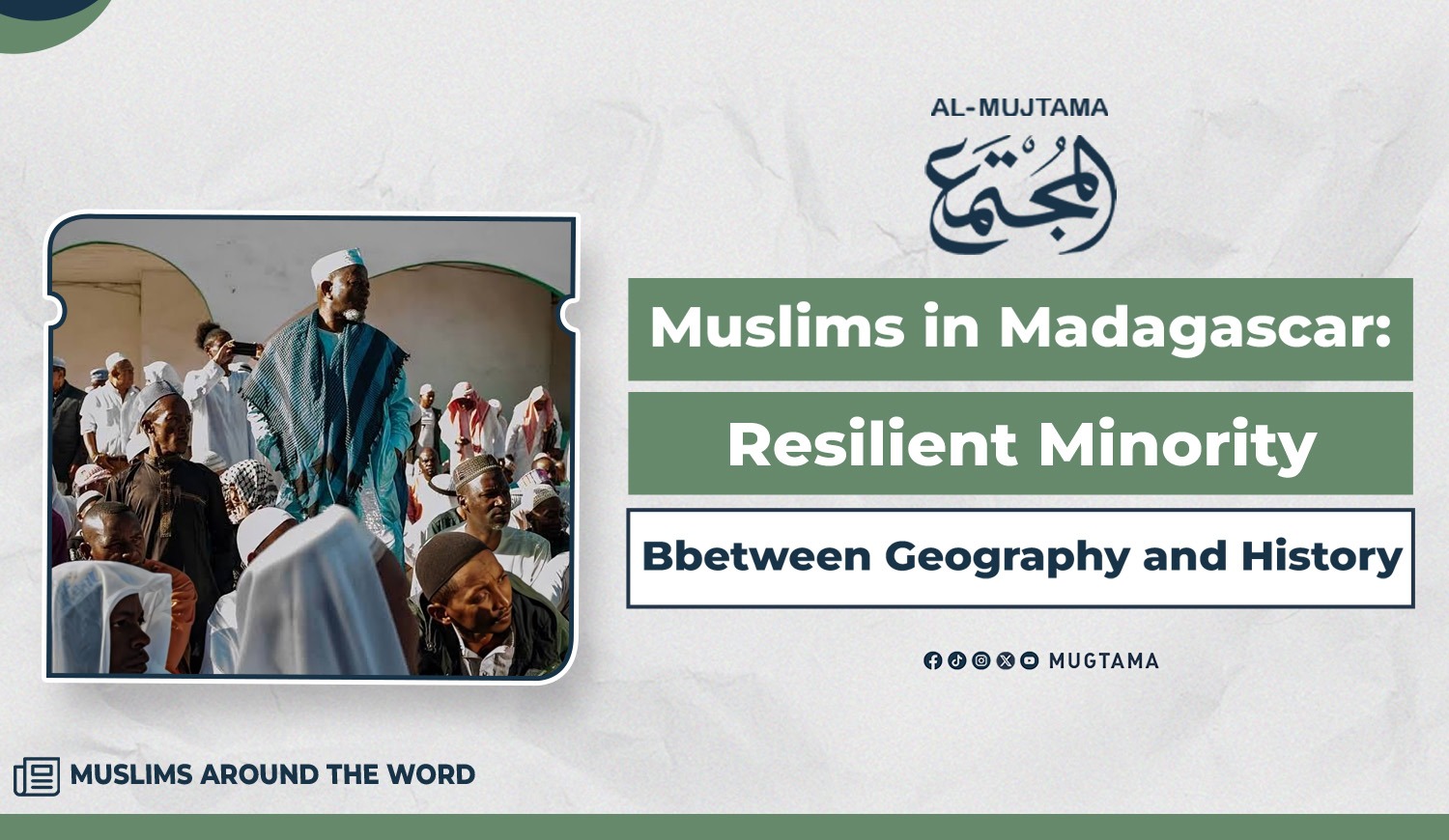
When Islam in Africa is discussed, attention often turns to
North Africa, the Horn of Africa, or West Africa, where Muslim populations are
dense. Yet, the island of Madagascar,
located in the Indian Ocean off Africa’s eastern coast, hosts an ancient Muslim
minority. Islam arrived here through maritime trade and has preserved its
identity for centuries despite a predominantly Christian environment and the
legacy of French
colonialism.
A Journey across Oceans
The story of Muslims in Madagascar is more than a tale of religious
identity. It’s a narrative of Islam’s voyage across seas, its interaction with
local customs, and the endurance of small communities facing cultural and
political marginalization.
Ancient Roots and Arab Traders
Islam reached Madagascar as early as the 10th century CE via
Arab traders from Hadramaut, Yemen, and Oman, as well as Muslims from Zanzibar,
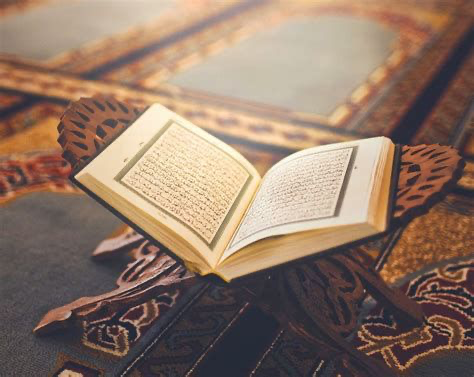
Kenya, and Tanzania. These merchants brought the Arabic language and the
Qur’an, leaving traces in Malagasy names and vocabulary. The Zafiraminia and Antalaotra were among the
earliest Muslim settlers.
The influence of Islam is evident in Malagasy cultural
practices such as circumcision, communal grain storage, and greetings. The Sorabe script based on Arabic
was used to transcribe Malagasy dialects.
Demographics and Origins
Estimates suggest Muslims make up 7–15% of Madagascar’s
population—roughly 1 to 2 million people. Most Malagasy Muslims descend from
Arab, Indian, and Comorian migrants. They are concentrated in the northwest and
southeast coastal regions, with growing numbers of ethnic Malagasy converts.
Religious Diversity
Islamic schools of thought in Madagascar include:
- Shafi’i:
Historically dominant due to ties with East Africa and Yemen.
- Hanafi:
Found among Muslims of Indian descent.
- Missionary
Movements: Groups like Tablighi Jamaat and charities from the Gulf,
Turkey, and Malaysia have recently become active.
Muslims speak Malagasy but maintain strong ties to Arabic
through Qur’anic schools and language centers, though resources are limited.
Colonial Legacy
During the 19th-century French colonization, Muslims were
marginalized. The French promoted Catholicism, built missionary schools and
hospitals, and sidelined Islamic education. Muslims were excluded from
leadership and portrayed as outsiders.
This legacy persists today, with Muslims underrepresented in
politics and public institutions.
Islamic Education and Worship
Muslims continue to teach the Qur’an through traditional
kuttab schools, though resources are limited. Despite challenges, they actively
build mosques—even in small villages. Coastal cities like Majunga and Toliara feature historic
mosques visited by Muslim travelers.
Challenges Today
Muslims in Madagascar face several issues:
- Education:
Lack of modern Islamic schools and unified curricula.
- Political
Representation: Minimal presence in government.
- Social
Marginalization: Media portrayal as a “foreign” minority.
- Poverty
and Unemployment: More severe in Muslim-majority regions.
Signs of Renewal
Despite adversity, there are hopeful developments:
- Islamic
organizations promote Arabic and religious awareness.
- Partnerships
with Gulf, Turkish, and Malaysian charities support mosque and school
construction.
- Young
Muslims are active on social media, expressing identity and connecting
globally.
Peaceful Coexistence
Muslims live peacefully with other religious groups.
Madagascar’s society is generally tolerant, with no major religious conflicts
recorded. This harmony offers Muslims a chance to highlight Islam’s values and
show that it fosters ethics and development.
A Global Message
The story of Madagascar’s Muslims is one of deep roots,
ongoing challenges, and future promise. Islam arrived via ocean waves and
remains resilient—its light undimmed by colonialism or isolation.
Supporting this minority through education and advocacy is a
duty not just for Islamic institutions, but for the entire Ummah—so Madagascar can stand as
a testament to Islam’s peaceful spread through example and kind words, beyond
the bounds of geography.
Sources:
Islam in Madagascar
– Wikipedia
Journal
of Muslim Minority Affairs – Archive.org
Islam in Madagascar
Explained
You may also like:
Japanese
Academic: Number of Muslims in Japan Increasing