





Muslim Minorities in the West and Their Civilizational Roles
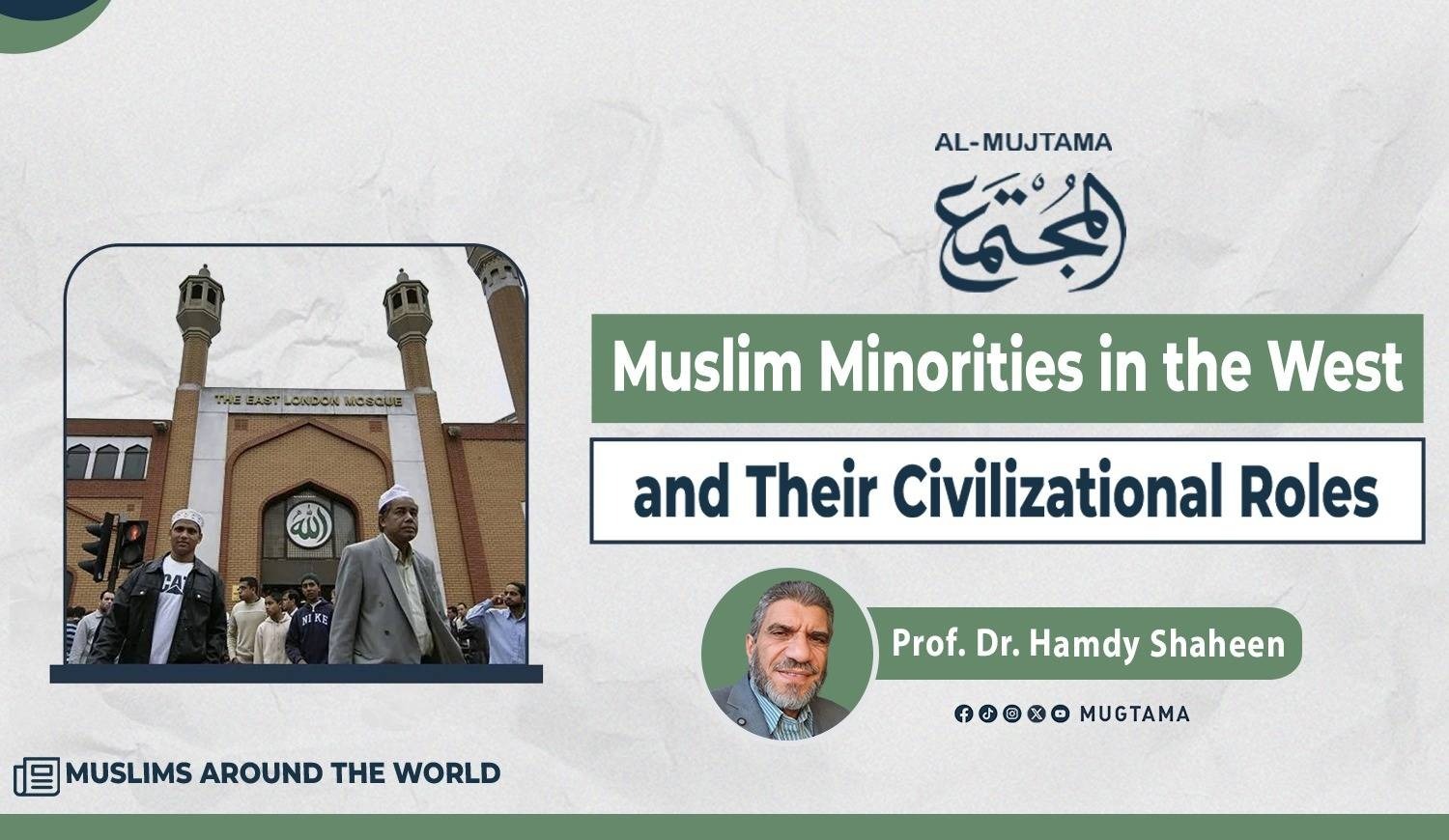
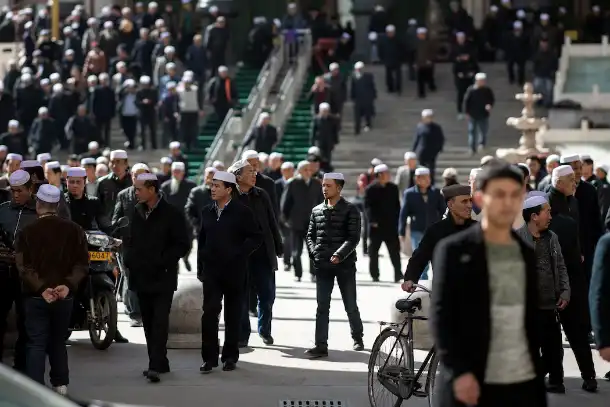
Muslims in Europe were estimated at around 26 million in 2016, with projections suggesting growth to between 58 and 75 million by 2050. In North America, Muslims are fewer in number but distinguished by higher educational attainment and stronger economic integration. They represent a demographic soft power: a youthful community in aging societies, which grants them future weight in the labor market and increasing electoral influence.
Economic Contributions
Muslims in the West have established a
growing presence in small and medium enterprises, as well as in independent
professions. Some have risen to prominence as major business figures. Yet,
despite this progress, they have not organized their efforts into transnational
institutions, global investment funds, or influential economic lobbies. Their
economic potential remains significant but underutilized.
Political Influence
Muslims also represent a political
force, modest but steadily growing. Their impact has been visible in election
results and parliamentary representation in countries such as Britain, France,
and Germany. In Britain, Sadiq Khan, of Pakistani origin, has served as
Mayor of London since May 2016, becoming the first Muslim to hold this position
in a Western capital and the first to win three consecutive terms. In the
United States, Muslim representatives such as Ilhan Omar and Rashida Tlaib have succeeded in entering Congress, reinforcing the belief that
Muslims can reach decision-making positions, even though a unified lobby
comparable to Jewish groups has yet to emerge.
Cultural and Media Presence
Muslims in the West are also a
cultural and media force. They influence universities, human rights
organizations, NGOs, and debates on identity, pluralism, and international
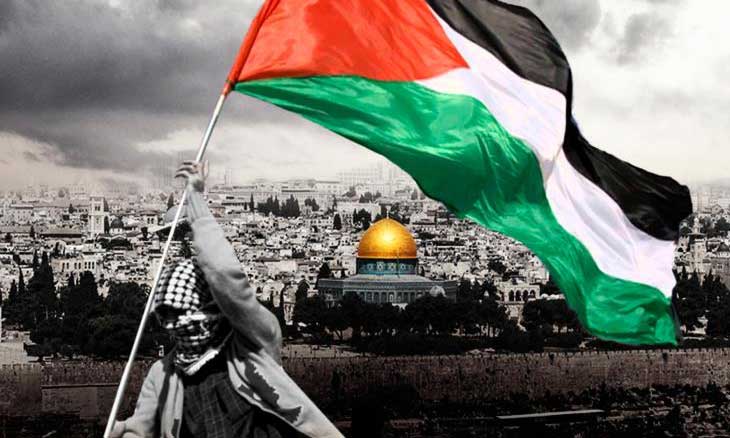
issues—especially Palestine. They face the challenge of moving beyond defensive
postures to create their own narratives, producing professional content that
speaks directly to Western societies, balances identity with integration,
strengthens civil rights, combats discrimination, and elevates humanitarian
causes.
Scientific Achievements
Muslims in the United States are
particularly notable for their academic success. Studies by the Pew Research
Center indicate that 40–50% hold university degrees, with significant
representation in postgraduate studies and key fields such as medicine, engineering,
IT, and applied research. Distinguished scientists include Nobel laureates:
Egyptian chemist Ahmed Zewail (1999), Turkish biochemist Aziz Sancar
(2015), and Jordanian-Palestinian chemist Omar Yaghi (2025). These
successes highlight not only individual excellence but also integration into
strong scientific institutions and the ability to benefit from Western research
environments.
Challenges Facing Muslim Minorities
Muslim minorities in the West face
several challenges:
- Fragmentation: Ethnic and linguistic divisions hinder unity and weaken
institutional structures.
- Unbalanced integration: Some assimilate completely, losing cultural
identity, while others isolate themselves, limiting influence.
- Ideological exploitation: Imported sectarian and political conflicts from
the Arab and Islamic world create divisions and reduce effectiveness.
- Islamophobia: Rising nationalism and right-wing movements fuel fear of Muslims,
portraying them as a looming threat despite their minority status.
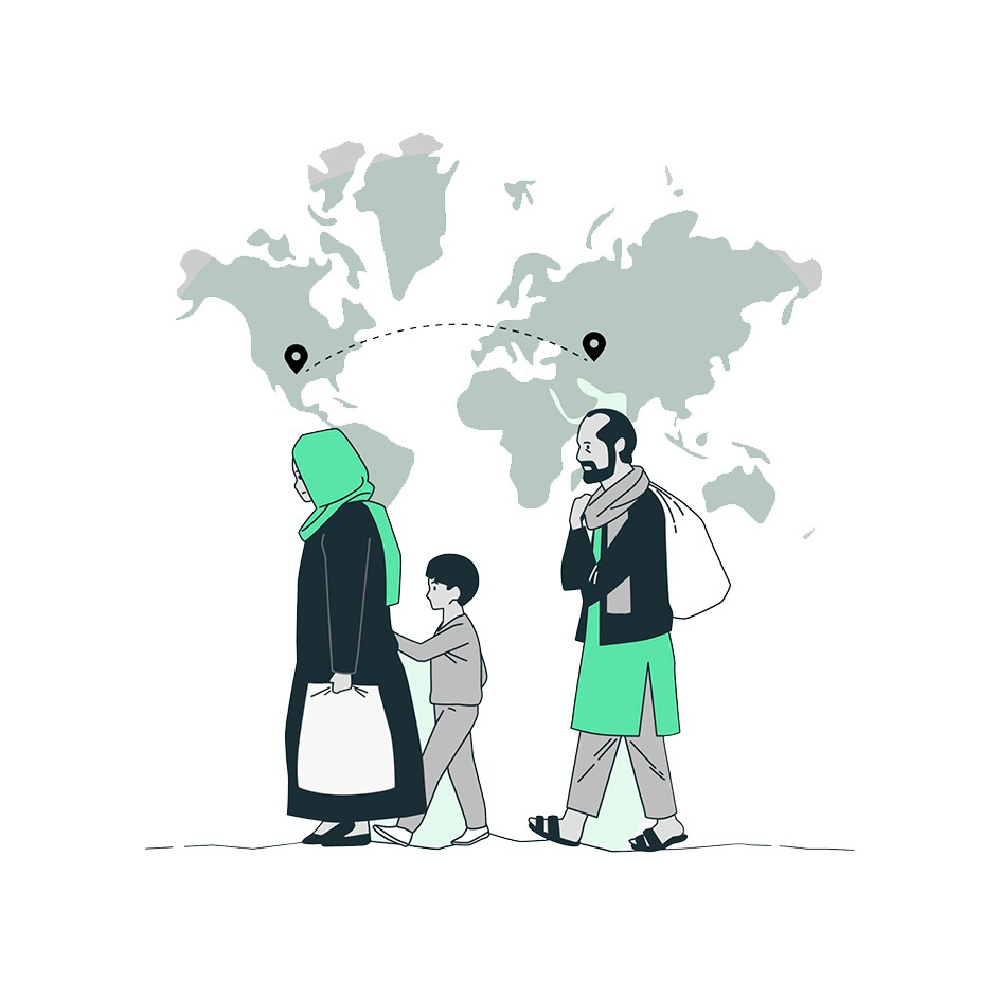
Migration of Muslim Minds
The migration of Muslim talent to the
West has intensified in the new millennium due to political instability,
revolutions, military coups, and foreign interventions. Many have been targeted
by assassinations and violence, as seen in Iraq, Syria, Egypt, Palestine,
Libya, and Yemen. This has created a dual challenge: admiration for Western
opportunities mixed with resentment at the decline of conditions in their
homelands. Yet many migrants struggle to find suitable positions, with fewer
than half of Tunisian and Egyptian migrants securing jobs matching their
skills.
Utilizing Migrant Talent
Despite these difficulties, Muslim
minorities abroad can play a civilizational role. They can correct
misconceptions about Islam, defend the rights of Muslim nations, and guide
community performance in the diaspora. Some countries have successfully engaged
their expatriate scientists by inviting them to conferences, encouraging joint
research programs, and building networks between domestic and diaspora
scholars. Malaysia, Turkey, Lebanon, and North African states have achieved
notable success in this regard.
Historical Models and Future Prospects
Islamic heritage offers models for
harnessing intellectual exchange, such as the Abbasid-era House of Wisdom,
scholarly networks, and endowment systems that supported education, health, and
infrastructure. Today, capable Muslim expatriates could establish
endowment-based institutions to support sustainable development in their
homelands, ensuring independence in societies often plagued by authoritarianism
and political instability.
Muslim minorities in the West embody a
paradox: they are both challenged and empowered. Their demographic youth,
economic contributions, political influence, cultural presence, and scientific
achievements position them as a rising force. Yet fragmentation, Islamophobia,
and ideological exploitation remain obstacles. The path forward lies in unity,
strategic organization, and leveraging their civilizational heritage to build
sustainable institutions. If harnessed effectively, Muslim minorities can play
a transformative role not only in their host societies but also in the
development and renaissance of their homelands.