
What is happening in Iran?
Gen-Z Protests in Iran: Foreign Script or Local Rage?
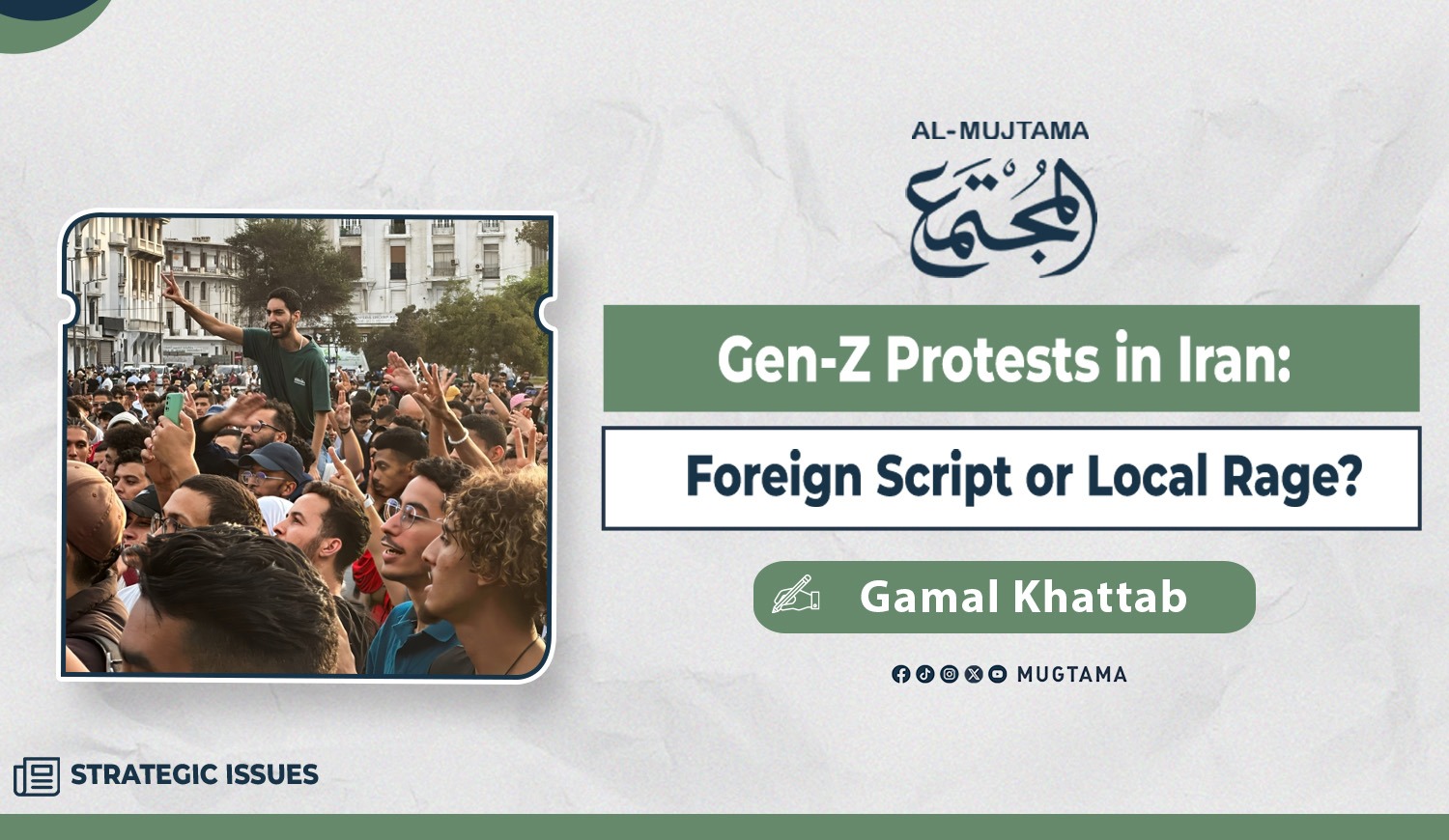
In the flickering glow of a smartphone screen, a nineteen-year-old in Tehran scrolls through a Telegram channel titled “The Voice of the Streets.” Outside, the air is heavy with the smell of scorched rubber and the rhythmic thud of security boots. For Iran’s establishment, this teenager is a pawn in a “soft war” choreographed by Western intelligence agencies. For the teenager, however, the motivation is simpler: a desire to live a life not dictated by the legacy of the 1979 revolution.
As
Iran enters 2026, the country remains locked in a cycle of unrest that began
with the 2022 “Woman, Life, Freedom” movement and has evolved into a
persistent, low-boil insurgency led by the young. The central question haunting
both Tehran’s corridors of power and the UN
in Geneva is whether these protests are the organic eruption of local rage—or a
foreign script designed to dismantle the Islamic Republic.
The Birth of a Protest Generation
The
death of Mahsa
Jina Amini in police custody in September 2022 was the lightning rod.
Yet the protests represent more than outrage over one tragedy: they mark the
coming-of-age of Generation Z, the first Iranian cohort fully globalized via
the internet despite the state’s “Filternet” censorship. Unlike the reformist 2009
Green Movement or the economically driven 2019 “Bloody November”
protests, today’s Gen-Z uprising is defined by outright rejection of the
theocratic framework.
Local Grievances: A Quiet Revolution
Evidence
suggests the rage is rooted in systemic failures:
- Economic
despair: Inflation peaked near 48.6% in late 2025, while the rial
hit record lows, making basic life milestones like housing or marriage
unattainableExchange Rates+1.
- Sociocultural
estrangement: Gen-Z consumes the same media as peers in London or Tokyo,
creating a widening gap between private digital lives and public “Islamic”
lives.
- Corruption and
incompetence: Distrust in institutions, worsened by COVID-19 mismanagement
and energy shortages, has fostered a “nothing to lose” mentality.
As
one protester in Isfahan put it: “You don’t need a CIA manual to know your
table is empty and your friends are in prison.”
The “Foreign Script” Theory
Iranian
officials frame the unrest as a “hybrid war” orchestrated by the US,
Israel, and Saudi Arabia. In 2022, Parliament tightened control over
cyberspace, branding social media platforms “espionage tools.”
Evidence
cited by state media includes:
- Social media
amplification: The hashtag #MahsaAmini generated over 280 million
tweets. Officials claim bot networks boosted anti-regime content.
- Logistical
support: Security forces reported seizing weapons along Kurdish borders;
comments by John Bolton in 2022 about arming opposition groups fueled
propaganda.
- Diaspora
funding: Coverage by Iran International and BBC Persian is
portrayed as proof of Western orchestration.
Counter-Argument: Decentralized Spark
International
monitors argue the “foreign script” theory ignores the protests’ leaderless,
spontaneous, horizontal organization. Unlike a Western-backed operation,
there is no government-in-waiting or unified military strategy.
Comparative Protest Landscape
Iranian
dissent has evolved:
- 2009 Green
Movement:
Reformist, transparency-focused.
- 2019 Bloody
November:
Triggered by fuel price hikes.
- 2022–2026 Gen-Z
protests:
Existential, demanding secular dignity and autonomy.
Battleground of the Mind
The
conflict is psychological. The state warns of “Syrianization” if the regime
falls. Protesters counter with humor, art, and music. Shervin Hajipour’s “Baraye”
became the anthem, listing everyday grievances rather than foreign policy.
The 2025–2026 Shift
By
January 2026, protests sharpened around economics. Inflation, sanctions, and
the “Twelve-Day War” fueled chants of “Neither Gaza nor Lebanon, my
life for Iran”. The slogans shifted from gender equality to anger at
foreign expenditures.
Local Rage, Global Echoes
To view the protests solely as a foreign script ignores the lived suffering of millions of young Iranians. To see them as disconnected from geopolitics ignores how dissent is amplified globally. The truth lies in the intersection: local rage is the engine, global connectivity the fuel. The script is not written in Washington or Tel Aviv—it is being written in real time on TikTok and Telegram by a generation that has realized the state’s greatest fear is not a foreign army, but its own children.