




The Sacred Pulse of Discovery
From Wisdom’s House to Modern Era: Reflections on Creativity Innovation Day
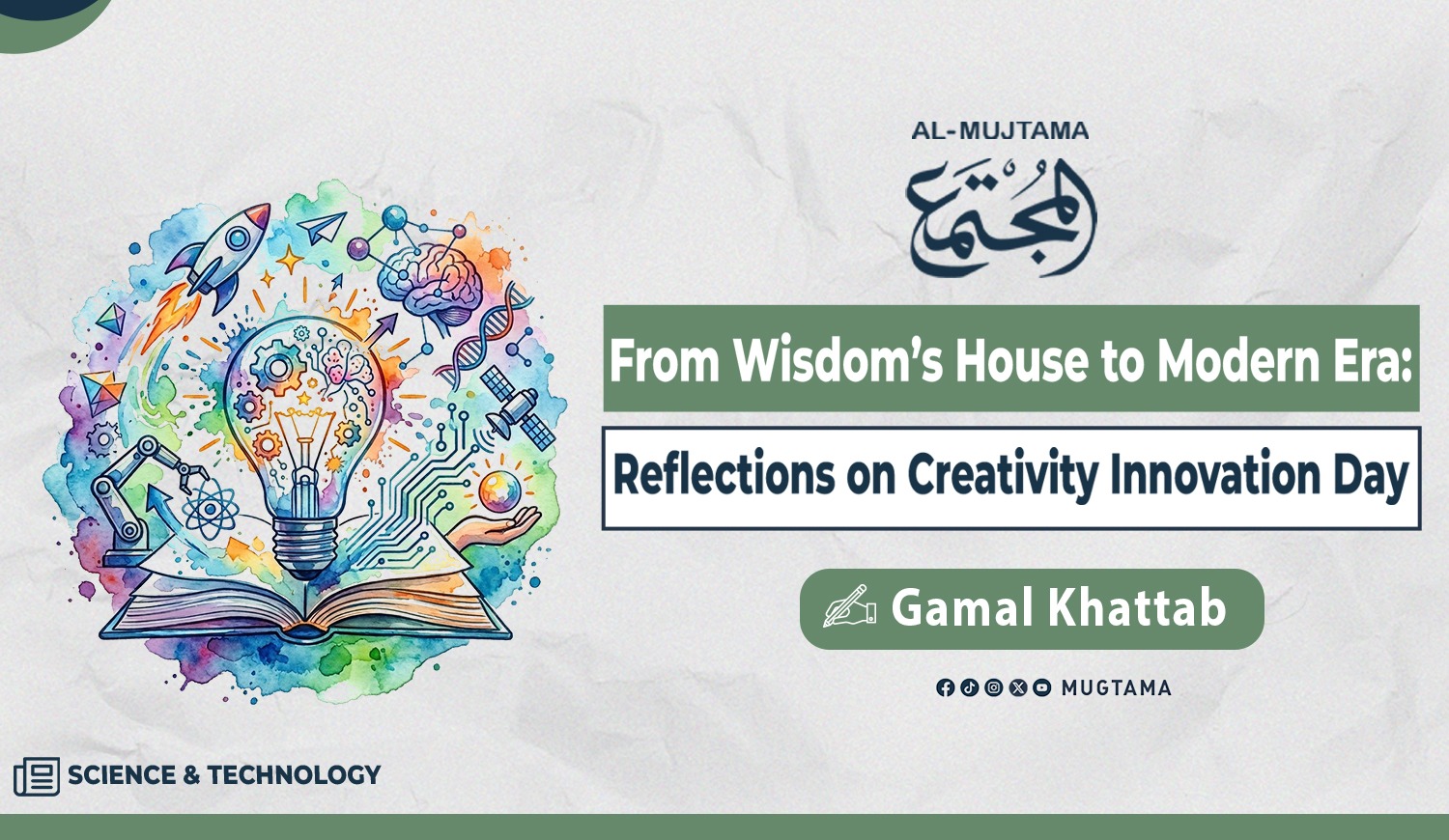
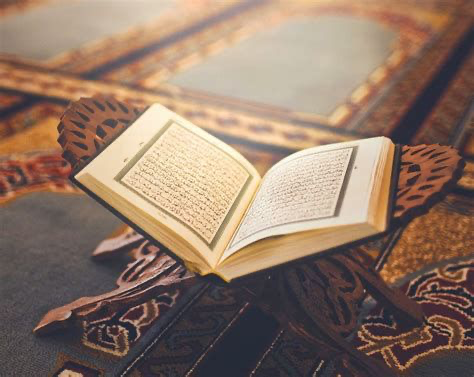
As the world celebrates World Creativity and Innovation Day, the global discourse often centers on patent counts, market disruptions, and technological supremacy. However, for a civilization rooted in the Quranic worldview, innovation is not a race for dominance; it is a sacred response to a Divine invitation. The history of Islamic creativity—stretching from the golden corridors of Baghdad’s House of Wisdom to the architectural marvels of the Alhambra—was never a secular accident. It was the natural byproduct of a faith that views the universe as a vast, readable book (The Cosmic Quran) and the human mind as the instrument designed to decipher it.
In this article, as we reflect on our modern era, we must ask:
What kind of innovation does the world truly need? Is it the innovation that
creates faster ways to consume, or the innovation that creates better ways to
live? In the Islamic tradition, the answer lies in the marriage of Aql
(intellect) and Ruh (spirit).
The
Divine Mandate: Why Islam Demands Innovation
In the Islamic paradigm, creativity is not merely an artistic
or scientific endeavor; it is a form of worship (‘Ibadah). The Quranic
discourse is saturated with calls to observe, reflect, and ponder (Afala
Tatafakkurun). This "Epistemology of Reflection" is what drove
early Muslims to innovate.
The Prophet Muhammad (peace be upon him) laid the foundation
for a culture of progress when he said: “You are more knowledgeable about
the affairs of your world” (Sahih Muslim). This statement famously granted
the Ummah the autonomy to innovate in medicine, engineering, and agriculture
without being tethered to rigid historical methods. Furthermore, the concept of
Ihsan—striving for absolute excellence—serves as the psychological motor
for the Muslim innovator. An innovator who acts with Ihsan believes that
God loves for a person, when they do a task, to do it with perfection. This is
why Islamic calligraphy, geometry, and medicine reached heights of beauty and
precision that remain unparalleled.
The
Individual and the Collective: Innovation for the Common Good
Modern innovation is often criticized for being
"ego-centric"—focused on individual branding or corporate profit. In
contrast, Islamic innovation is built on the principle of Fard Kifayah
(Collective Obligation). If the community lacks a necessary technology or
medical cure, the entire society is in a state of shortcoming until someone
innovates a solution.
This creates a unique social contract. The individual is
encouraged to be a "trailblazer," but the ultimate destination is the
benefit of the Ummah. History tells us of the Banu Musa brothers
in the 9th century, who used their wealth and creative genius to invent over a
hundred mechanical devices, ranging from automatic fountains to tools for
public works. Their innovation was not a tool for self-aggrandizement but a
service to the public infrastructure of Baghdad. This spirit aligns perfectly
with the goal of World Creativity and Innovation Day: to harness human
ingenuity to solve the world’s most pressing collective problems.
Ethical Boundaries: Creativity as a Guard for
Human Dignity
One of the most profound reflections for World Creativity and
Innovation Day is the limit of innovation. Does "can do" always mean
"should do"?
Islamic jurisprudence (Fiqh) introduces the concept of Maqasidal-Sharia (The Objectives of the Law), which acts as an ethical compass for
innovation. Any creative endeavor must protect five essential elements:
Religion, Life, Intellect, Progeny, and Property.
- Innovation
that demeans the human soul or exploits the human form
is rejected.
- Innovation
that promotes vice or erodes family structures is
considered "destructive creativity."
The great jurist Imam Al-Shatibi argued that the
purpose of knowledge is to support the well-being of creation. Therefore, the
Muslim innovator is a "moral filter." They do not innovate to
maximize greed or facilitate deception; they innovate to enhance human dignity
and facilitate the "Good Life" (Hayat Tayyibah).
The
Moral Veto: The Rejection of Mass Destruction
In the modern landscape, the pinnacle of innovation is often
seen in military hardware—specifically weapons of mass destruction (WMDs).
However, the Islamic ethical framework provides a stark contrast. Historically
and doctrinally, there has been a profound "civilizational
hesitation" or outright rejection regarding the development of tools that
cause indiscriminate slaughter.
The Prophet Muhammad’s (pbuh) strict military ethics forbade
the cutting of trees, the killing of non-combatants, and the poisoning of water
wells—the "WMDs" of his time. This "Prophetic Veto" on
indiscriminate harm has translated into a modern stance against nuclear,
biological, and chemical weapons. From a Sharia perspective, a weapon that
cannot distinguish between a soldier and a child, or a weapon that destroys the
environment for generations, is a violation of the Sanctity of Life.
While the secular world raced to build the most efficient ways
to end humanity, the Islamic moral compass redirecting creativity toward
preservation. The "refusal" to innovate in the field of total
destruction is not a sign of intellectual weakness, but of moral strength—a
declaration that human creativity must never be used to undo the Creator’s
work.
Innovation as an Enemy of Poverty and Greed
World Creativity and Innovation Day is a call to solve the
global economic crisis. The Islamic approach to innovation in finance is
revolutionary: it replaces "Creativity in Exploitation" (Riba/Usury)
with "Creativity in Partnership."
- Against
Riba: The prohibition of interest forces the mind to find
creative, risk-sharing ways to grow wealth. It demands that innovation be
tied to real assets and real labor, preventing the "bubble
economies" that devastate the poor.
- The
Power of Waqf: Historically, the Waqf (Endowment)
system was a masterpiece of social innovation. Creative legal structures
allowed for the perpetual funding of universities and free hospitals.
- Poverty
Alleviation: Today, we see a surge in "Islamic
Fintech"—apps for Zakat distribution, blockchain for transparent
charity, and micro-financing that respects human dignity. This is
innovation that treats the "disease" of greed by fostering the "health"
of circulation.
Stewards of the Green Earth: Sustainable
Innovation
The environmental crisis is perhaps the greatest challenge for
World Creativity and Innovation Day. The Quran describes man as a Khalifah
(Steward or Successor) on Earth. This means we are not owners of the planet,
but trustees.
Islamic history is rich with "Green Innovation."
- Water
Management: The Qanat systems and the
sophisticated irrigation techniques of Muslim Spain transformed arid lands
into lush gardens without exhausting the water table.
- Animal
Rights: The innovative "Bird Waqfs" of the
Ottoman Era, where buildings included built-in birdhouses, show a creative
empathy for non-human life.
Modern innovation must return to this "Mizaan"
(Balance). We need technologies that don't just "sustain" the status
quo but actively "regenerate" the environment. A Muslim innovator
views a polluted river not just as an ecological failure, but as a breach of
trust with the Creator.
Conclusion: Towards a New "House of
Wisdom"
As we conclude our reflections on World Creativity and
Innovation Day, we must realize that the world is at a crossroads. We have
more "creativity" than ever before, but perhaps less
"wisdom" (Hikmah).
The legacy of the House of Wisdom was not just about books; it
was about the belief that human intelligence is a gift to be used for the
upliftment of the soul and the relief of suffering. Whether it is by fighting
poverty, protecting the environment, or refusing to build the tools of our own
destruction, the Islamic spirit of innovation offers a path forward.
Let this day be a reminder that true innovation is not about the newness of the gadget, but the nobility of the purpose. By grounding our creativity in the eternal values of the Quran and the Sunnah, we can move from a modern era of chaos to a new golden age of peace, justice, and holistic prosperity.