






Extremist Hindutva Video Calling for the Killing of Muslims in India
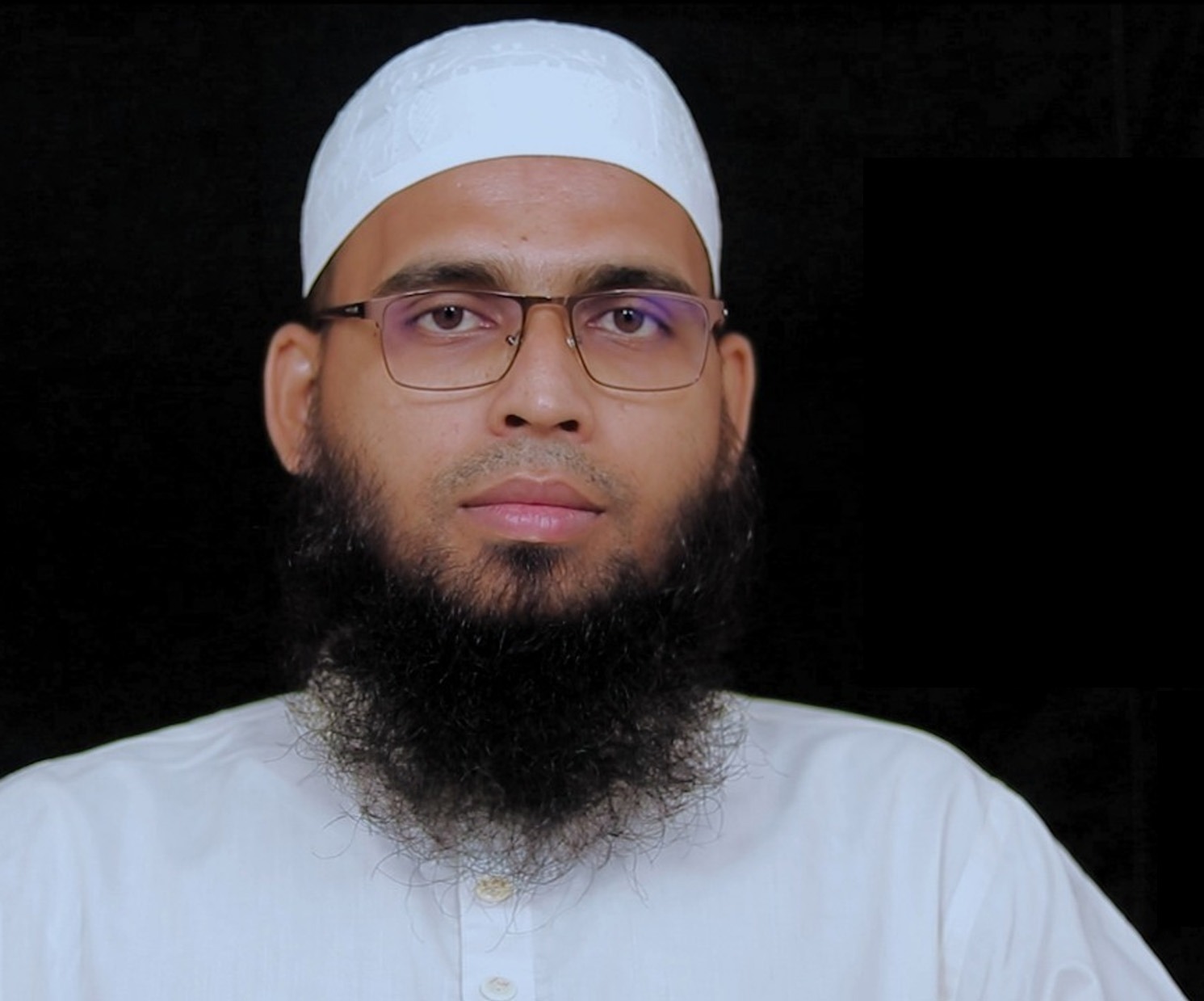
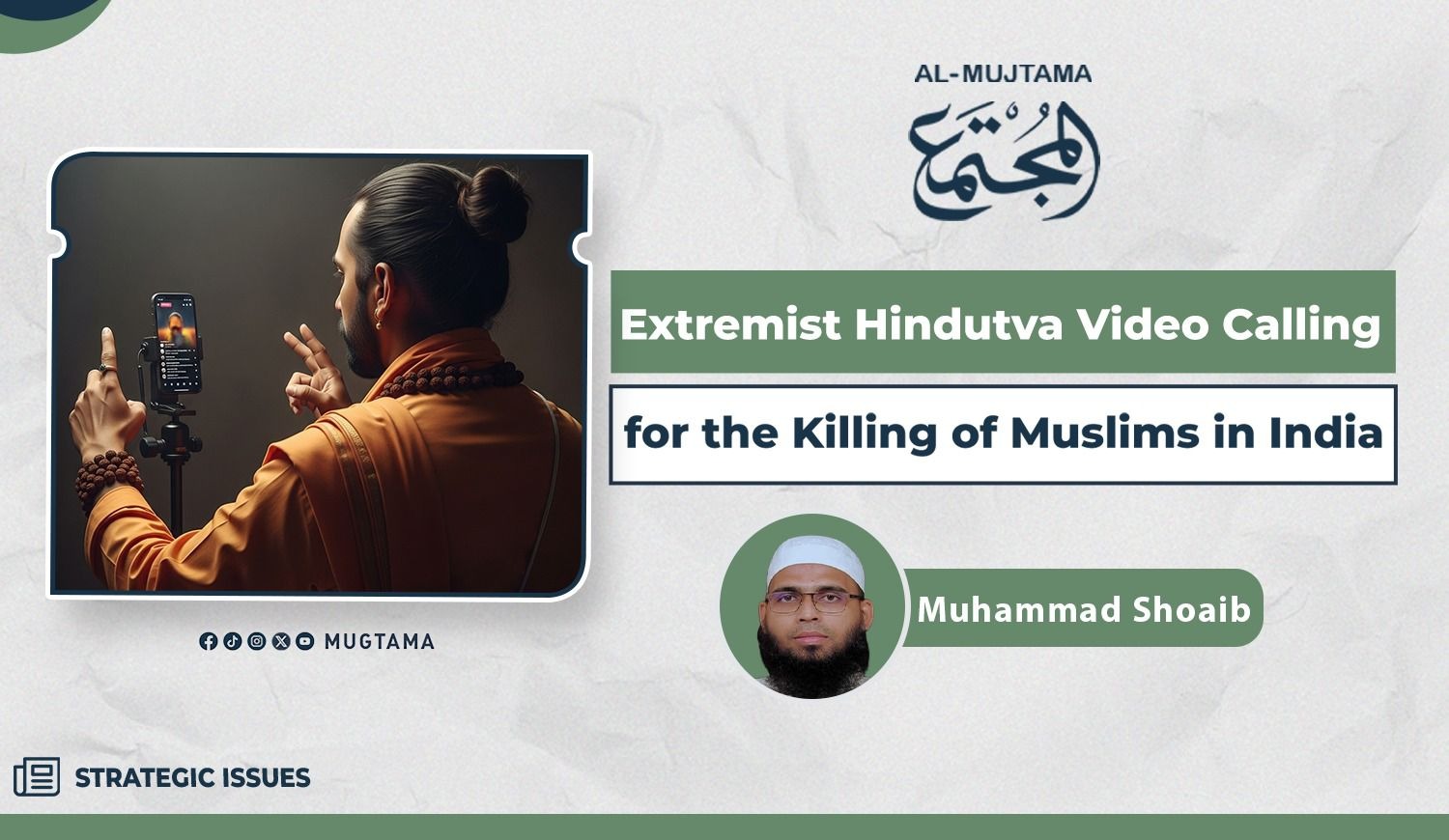
A video released on social media by
Rishabh Ojha, a member of an extremist Hindutva network in India, has
spread fear after he openly called for the killing, acid torture, and abduction
of Muslims. In the video, Ojha is seen openly urging the kidnapping of Muslims,
torturing them with acid, and murdering them. He also claims that he already
has a Muslim man in captivity and is planning to kill him after subjecting him
to prolonged torture.
The video first
went viral on X (formerly Twitter) and was later reposted on Instagram and
Telegram. In the footage, Ojha speaks calmly in Hindi, repeatedly smiling as he
describes acid attacks, forced religious conversion, and murder. Thousands of
users have watched the video, and disturbingly, many expressed support instead
of fear or condemnation.
A Delhi-based
Muslim academic commented: “This is not the ranting of a madman. It is
a confession and a direct call to violence. When someone can speak like this
openly and still roam freely, it sends a clear message that Muslim lives are
considered worthless and extremely unsafe.”
Calls for Abduction, Acid Torture, and Murder Spark Alarm
In the video,
Ojha explains what he calls a “new method” of targeting Muslims, saying: “Earlier we used to shoot or slaughter them—there was no fun in
that. Now the method has changed.”
He goes on to
describe pouring acid on abducted victims to inflict unbearable pain, forcing
them to beg for mercy or agree to convert.
Most alarming is
his claim of an ongoing attack: “One person is already under my control. He
is suffering every day. Very soon, he will be freed,” where “freed” clearly
implies death. Whether true or not, such statements amount to a serious and
immediate threat.
There are growing
demands for law enforcement agencies to take urgent action. However, at the
time of writing this report, there is no information indicating that any steps
have been taken. Instead, Ojha is seen openly challenging the authorities. He
says: “If you think you can harm me or stop me, then try.”
Muslim leaders
have rejected his so-called justification, in which he attempts to frame these
threats as “revenge” by referring to Kashmiri tourists. Maulana Abdul Hamid of
Uttar Pradesh stated: “The Kashmiri tourists who were killed in
the Pahalgam incident are undoubtedly victims and deserve justice. But using
their suffering to justify the killing of innocent Muslims is a lie and a grave
insult to both communities.”
Online Backlash Deepens Fears Among Muslims
Online reactions
have further deepened the sense of fear among Muslims. Ojha has several
thousand followers on Instagram and Telegram, many of whom have openly praised
his threats.
A Mumbai-based
digital rights activist said: “This is how online hate slowly turns into
real-world violence. Praise boosts the confidence of perpetrators, while
silence shields them.”
Muslims across
different cities and towns report heightened anxiety. A shopkeeper in Bhopal
said: “If someone can stand in front of a camera,
say he enjoys killing Muslims, and still roam freely—how are we supposed to
feel safe?”
Civil rights
organizations have demanded his immediate arrest.
In a statement, a
coalition of rights groups said: “This video is direct evidence of criminal
intent. If action is delayed and harm occurs later, the responsibility will lie
with the state.”
Senior lawyer
Farah Naqvi stated clearly: “The law is absolutely clear. A public call
to abduct, torture, and kill a community is a grave crime. In such cases, the
police do not need any special permission to act.”
According to
Muslim organizations, the video reflects a broader pattern of threats and
discrimination, where authorities often respond slowly. A community organizer
from Rajasthan said: “Every time we are told not to worry. Then
something happens. After that come statements and promises. Then silence
again.”
Questions are
also being raised about the role of social media platforms. A technology policy
researcher said: “When their own interests are at risk, platforms act quickly.
But when the lives of minorities are at risk, the response is painfully slow.”
Indian Muslims Call for Safety
Amid this climate
of fear, many Muslims are urging restraint and faith in the law. Imam Rashid
Khan of Hyderabad said: “We believe in the Constitution. We believe
in peace. We do not want revenge; we want safety.”
He added: “Those spreading hate do not represent all Hindus. Many Hindu
neighbors have stood with us and shared our pain.”
Meanwhile, the
Mahakaleshwar Temple in Ujjain has emerged as a flashpoint of Muslim exclusion.
While Bollywood actress Nusrat Bharucha recently participated in the Bhasma
Aarti there, ordinary Muslims have repeatedly faced obstruction, intense
surveillance, and even the demolition of homes and shops around the temple
area. Between January and November 2025, hundreds of Muslim properties were demolished in the name of
“development” or religious reasons, further fueling community anger.
This
institutional bias, combined with online hate, is forcing Indian Muslims to
demand nothing more than basic security and equality.
A mother in Delhi
said: “We are not asking for special privileges. We are only asking for basic safety.”
The coming weeks
will reveal whether the authorities take firm action—or allow fear to grow
deeper in the lives of millions of law-abiding Indian Muslims.
You May Also Read: