
"Al-Mujtama” Interviews the Director of Ibn Battuta African Institute in Benin
Dr. Widad Naibi: Benin Muslims Under Missionary Pressure
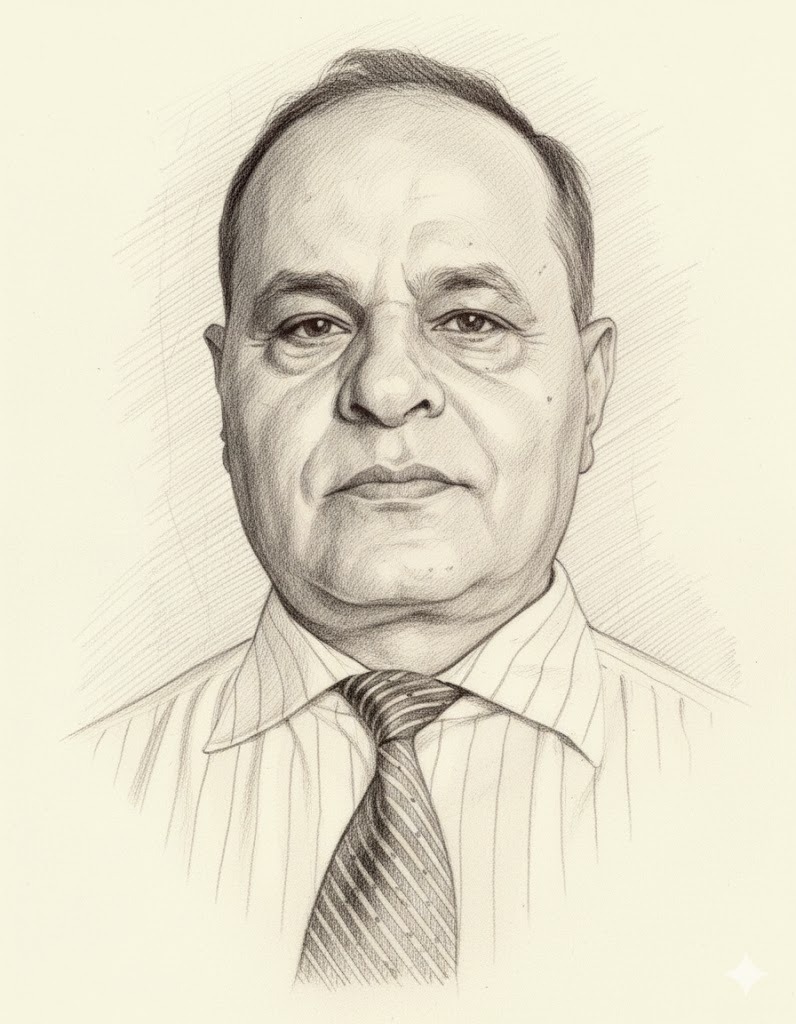
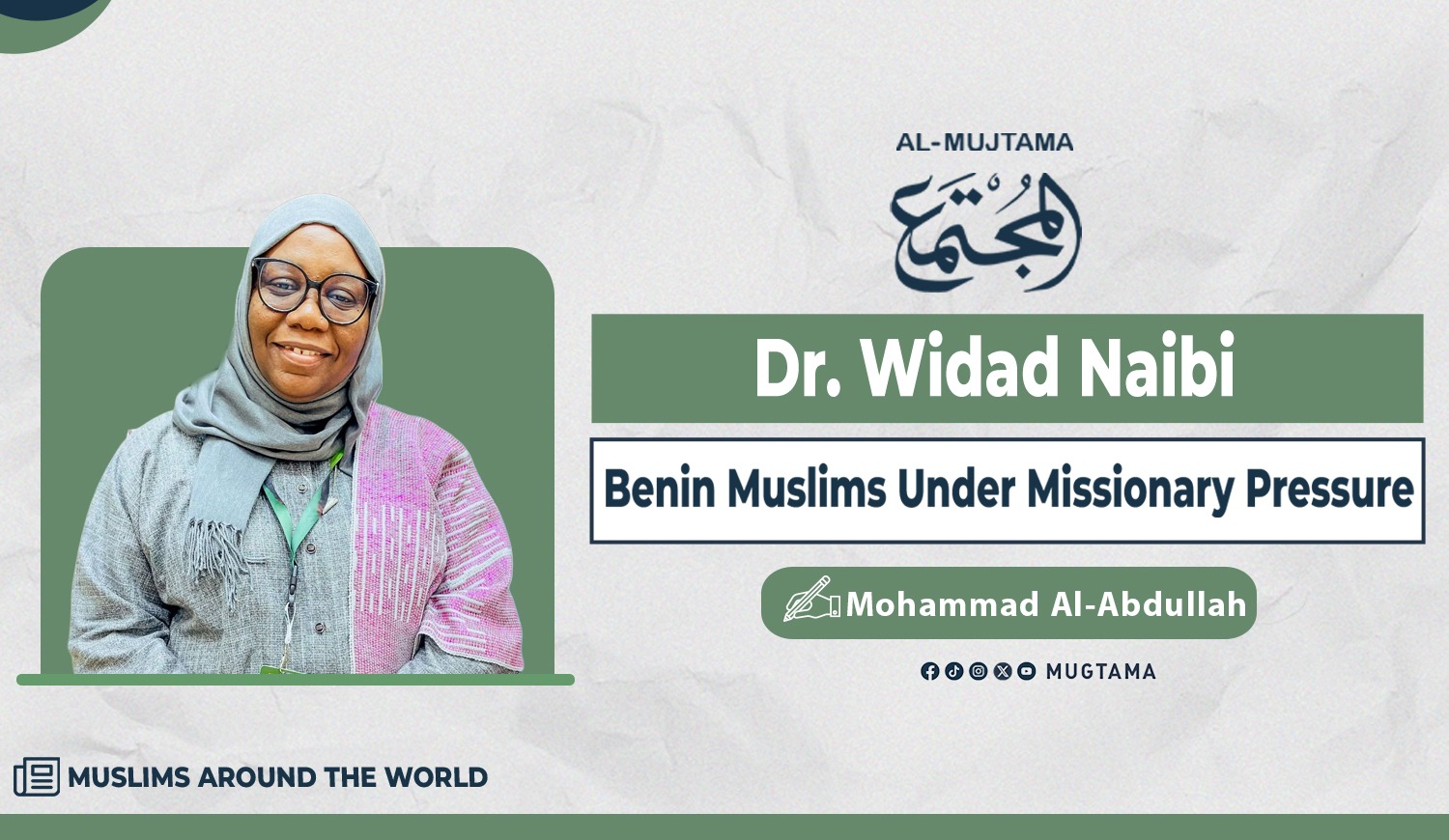
Muslims constitute the largest proportion of the population in the Republic of Benin, which currently has more than 13 million inhabitants. It is considered one of the prominent kingdoms in West Africa that emerged in the 15th century AD, was seized by France in 1872, became a French colony, and gained its independence in August 1960.
Muslims practice their rituals alongside an increasing Sunni
awareness, coinciding with extensive and organized proselytization campaigns,
which is one of the most prominent challenges they face. "Al-Mujtama"
contacted Dr. Widad Naibi, founder and director of the Ibn Battuta African
Institute in Benin, to learn about the conditions of Muslims there up
close, the extent of the challenges facing them, how to overcome them, and the
role of the Sunni movement in educating Muslims.
Cultural Diversity and the Status of Muslims
Benin is characterized by cultural
diversity; where do Muslims stand in this diversity?
What is their percentage, and what
are the other most famous religions in the country?
– Yes, this diversity is manifested in the multiplicity of
groups, including the educated and the illiterate, those influenced by Western
culture, and those adhering to local heritage or Islamic culture. Those
educated in French dominate the educational scene, without overlooking the
importance of holders of Arabic and Islamic degrees and their influential role.
As for Islamic religiosity, in its beginnings, it was closer
to Sufism. Later, due to travel and contact abroad, Sunni and Salafi movements
appeared that contributed to reshaping the features of the Islamic community in
the country and increasing attendance at Friday prayers.
Regarding religious percentages, the figures remain a subject
of debate and are not accurately disclosed. However, at the national level, the
percentage of Muslims can be estimated at about 45%, ahead of Christians.
The Spread of the Arabic Language
The official language in Benin is
French; how is the Arabic language spreading?
And what are the contributions to
that?
– The Arabic language has spread in Benin since the 15th
century, with the entry of Islam through traders and the movement of the
population. The spread of Arabic is mainly attributed to the love of Islam, as
everything written in the Arabic script was viewed with sanctity, even if it
was just a scrap of paper.
Quranic schools also contributed to its spread. Today, Arabic
is no longer just a language of religion, but has become an academic,
diplomatic, and cultural language. This is evident in the spread of Arabic
names even among non-Muslims, as you find Christians carrying Arabic names such
as "Ashem," "Habib," or "Tariq."
Linguistic Plurality and Communication
It is said that Benin has 50 local
languages; how do Muslims communicate with others?
Are there obstacles to Islamic
culture due to the multiplicity of these languages?
– In fact, there are about 62 local languages in Benin, in
addition to a large number of tribes, some of whose languages are close or vary
greatly. Muslims communicate with others according to the region.
In Cotonou, the economic capital, the Fon or Hausa language is
used depending on the neighborhood. In Porto-Novo, the political capital, the
Goun and Yoruba languages prevail, with a constant presence of the French
language throughout the country. Arabic is also a language of communication
among Muslims, especially holders of Arabic and Islamic degrees. This
linguistic plurality does not constitute an obstacle to Islamic culture.
Representation in Sovereign Positions
Muslims represent the second largest
proportion of the country's population; are there opportunities for their
presence in sovereign positions or government ministries?
– Muslims are deeply present in the social fabric, as they are
often linked to others by intertwined family and social ties that leave a
mutual impact on values and upbringing.
An example of this is the story of a Christian family that
lived in a residential complex with Muslim neighbors, where a spirit of good
neighborliness and solidarity prevailed, until the Muslim neighbors held an
"Aqiqa" (birth celebration) for a newborn girl and chose a neutral
name for her.
Over the years, the son of this newborn converted to Islam and
is today a prominent figure in the political arena. As for opportunities in
sovereign positions and ministries, they are available in principle, and
political actors often note the comfort regarding the loyalty of many Muslims
when they assume responsibilities.
Economic Activity and Its Impact
What are the most famous industries
in which Muslims work? Does this have reflections on the spread of Islam?
– Trade constitutes the economic strength of Muslims, and it
is an important element in their social presence. Although their participation
in the army and police was previously weak, this situation has begun to witness
improvement recently.
Self-employment has helped facilitate the practice of
religious rituals, which enhanced commitment and contributed to the spread of
Islam, along with good treatment and kindness to the poor.
Challenges of Educational Proselytization
At a time when missionary schools
are spreading in some major cities, how do Muslims face such challenges?
– Missionary schools are characterized by precise
organization, strict discipline, strong curricula and educational programs, in
addition to a clear educational vision and continuous investment in human
resources and infrastructure.
In contrast, Islamic education suffers from weak institutional
work, the absence of long-term planning, and the spread of a culture of
dependence on free services under the slogan "for the sake of Allah,"
as well as the decline in the confidence of some parents in the seriousness of
some Islamic educational institutions in terms of continuity, quality of
education, and discipline.
The real confrontation of this challenge lies in moving from
limited individual initiatives to establishing strong model schools based on
clear institutional foundations, professional management, advanced curricula,
and qualified teaching staff.
The Role of Media and Mosques
The largest radio station in Benin
was established by the Church; in contrast, where is the corresponding activity
of Muslims, especially in media and the role of mosques?
– Islamic media exists, and mosques are also widespread.
However, the real problem does not lie in existence, but in the role and
effectiveness. Some initiatives are strong and promising when support is
available, but weak management and poor administration have wasted many
efforts.
Also, a narrow perception of the role of the mosque has become
established among a segment of people, so it was confined to being a place for
prayer only, instead of being a collective space for education, guidance,
building values, and promoting love and unity.
Also, some Sufi orders, such as the Tijaniyya, Qadiriyya, and
Alawiyya, have been afflicted by the behaviors of some disciples that have
harmed their essence. Other groups—if the division is correct—have also been
afflicted by whims, love of the world, and manifestations of corruption, which
weakened their missionary and educational impact.
Connection with the Islamic World
Tell us about the connection of
Benin's Muslims with the Islamic world, especially the Organization of Islamic
Cooperation and its positive role in spreading and consolidating Islam in the
country.
– This connection includes positive aspects and others marred
by imbalance, where an individual and momentary character dominated some
projects without long-term strategic planning, which led to lost opportunities
and wasted resources. Nevertheless, the great positive role in building
mosques, Quran memorization houses, supporting preachers, sponsoring orphans,
digging wells, and establishing educational facilities cannot be denied.
Contributions of Arab and Gulf Charities
Finally, we want to know closely
about the role of charitable societies, and what are the contributions of Arab
countries, especially the Gulf, in development and cultural projects in the
country?
– Islamic societies play a pivotal role in implementing
charitable projects for the benefit of the poor and needy in the fields of
education, health, water, building mosques, and during Ramadan and Eid al-Adha.
Arab countries, especially the Gulf states, have had a great contribution to
supporting these efforts, which enhanced the presence of the Arabic language
and Islam in the country.
These societies still continue their work despite international restrictions, which are considered necessary to ensure transparency and prevent exploitation.