









Digital Technology Is Reshaping Family Relationships and Parenting

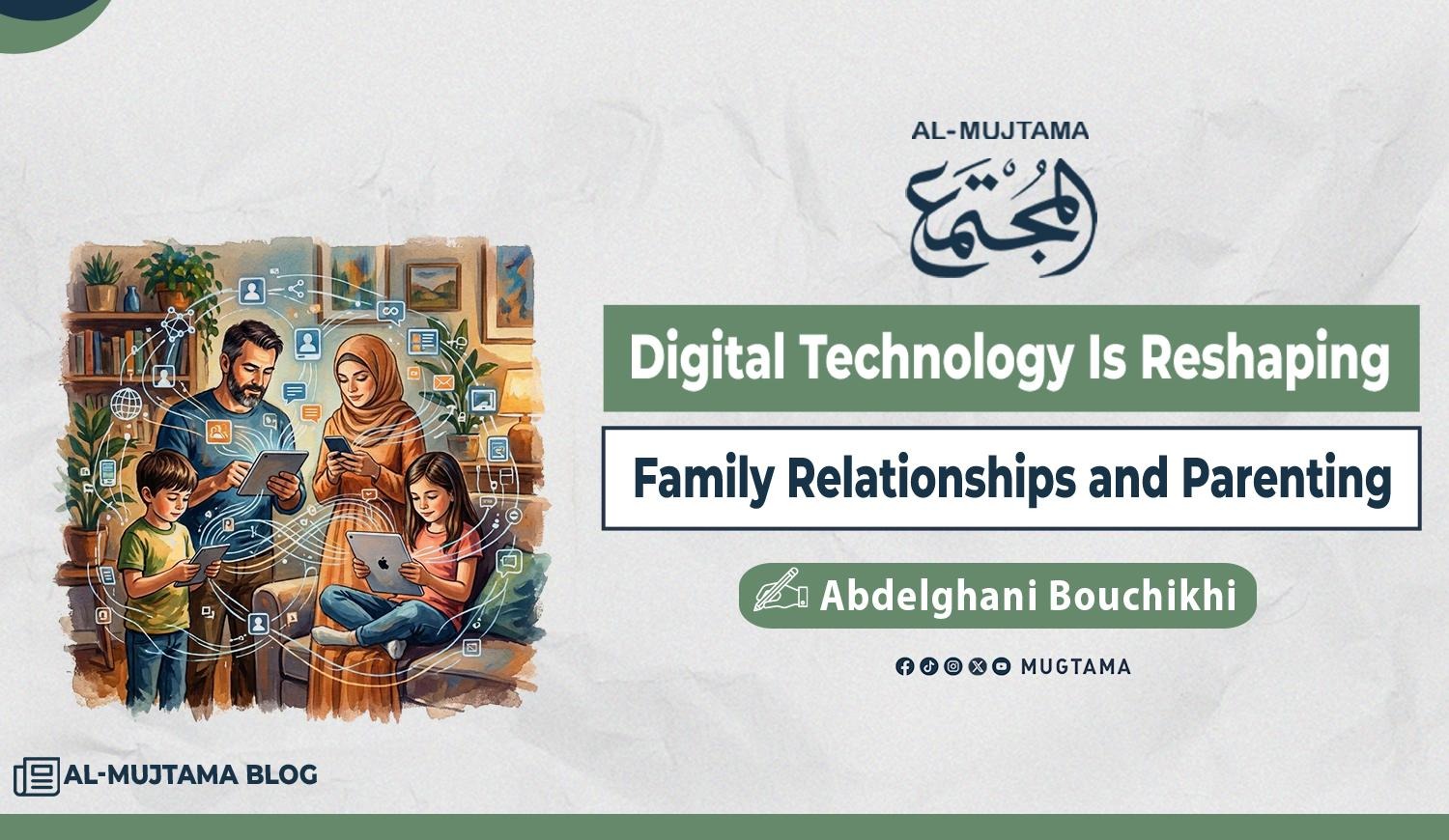
Digital
transformation has become one of the most prominent features of change in
contemporary societies. Technology is no longer merely a means of communication
or a tool for accessing information; it has become an integral part of
individuals' and families' daily lives. This shift has significantly reshaped
family relationships, parenting practices, communication patterns, and social
upbringing.
Digital tools,
including smartphones, social media platforms, and online applications, have
made communication, information sharing, and the management of everyday family
affairs more convenient. However, excessive use of these technologies can come
at a cost, reducing face-to-face conversations, weakening emotional
connections, and creating a form of digital isolation within the home.
The
Changing Dynamics of Family Relationships
Families today
face new challenges in raising children, particularly as young people gain
unprecedented access to digital content and are exposed to an increasingly
diverse range of influences and sources of guidance.
Technology can
support learning, develop skills, and encourage creativity. Yet excessive or
unregulated use can also expose children to risks such as digital addiction,
reduced concentration, sleep disturbances, inappropriate content, and
cyberbullying.
As a result,
parenting can no longer rely solely on traditional guidance. It must also
include developing digital literacy among both parents and children and
instilling a culture of responsible and safe technology use.
Raising
Digitally Aware Children
Addressing the
challenges of the digital age does not mean rejecting technology or withdrawing
from the digital world. Rather, it requires using technology wisely while
maintaining a healthy balance between online engagement and real-life
interactions.
This calls for
open family dialogue, setting aside dedicated time for face-to-face
interaction, and monitoring children's digital content in ways appropriate to
their ages. Parents should also encourage cultural, sporting, and social
activities while setting a positive example through their own moderate use of
digital devices.
Building
a Healthy Digital Family Environment
Digital
transformation is not simply a technological development; it represents a
profound shift in lifestyles, relationships, and parenting practices.
The family
remains the primary institution responsible for protecting children, guiding
their behavior, and shaping their personalities. The real challenge, therefore,
is to move from being a family that merely consumes technology to one that
understands how to use it effectively in support of child development,
education, and stronger family and social bonds.
-------------------------------------------------------------
