






War on Sudan
Can Geneva Talks Open a Path to Ending War in Sudan?
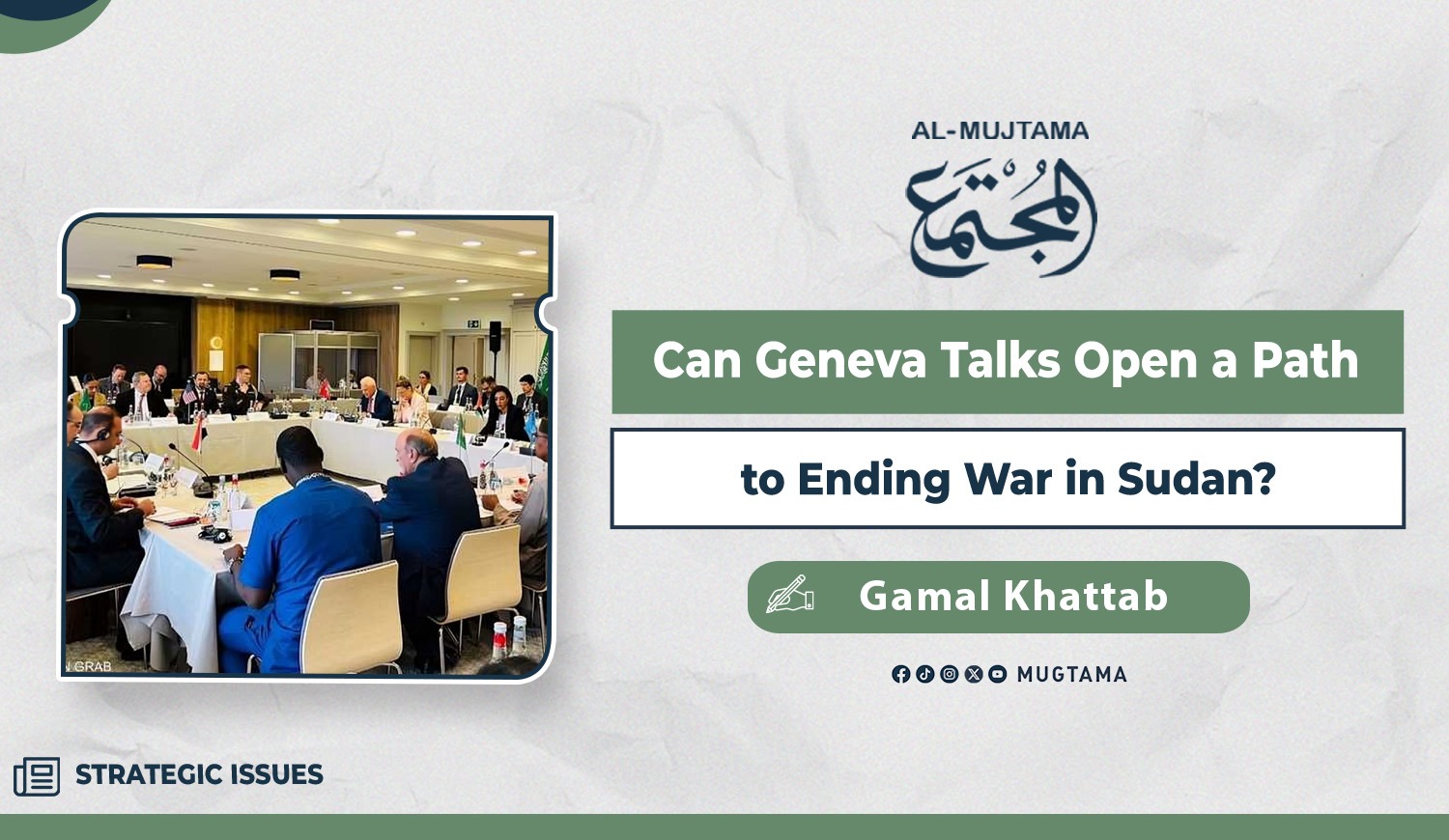
In a rare diplomatic opening amid one of Africa’s most destructive conflicts, the United Nations has announced plans to bring Sudan’s warring parties to the negotiating table in Geneva. The initiative, confirmed by UN Secretary‑General António Guterres during an interview with Al Arabiya in Riyadh, signals a renewed attempt to revive a peace process that has repeatedly collapsed since the war erupted in April 2023.
The
announcement comes as Sudan faces a rapidly deteriorating humanitarian and
security landscape, with the Rapid Support Forces (RSF) expanding their
territorial control and more than 12 million people displaced—one of the
largest displacement crises in the world, according to UN estimates.
From
Fragile Partnership to Full‑Scale War
The
conflict began when tensions between the Sudanese Armed Forces (SAF) and the
RSF escalated into open warfare. According to UN data, the war has resulted in:
- Tens of
thousands of deaths
- Over 12 million
displaced people
- Near‑total
collapse of essential services
- A looming famine
threatening millions
Sudan
has now become one of the world’s most severe humanitarian emergencies.
Why Now?
Guterres
stated that the goal is to reopen communication channels after months of
military stalemate. He told Al Arabiya:
“We
will be having meetings in Geneva with both sides.”
However,
he did not specify a timeline, reflecting the fragility of the political
environment.
In
New York, UN spokesperson Farhan Haq confirmed that the talks will begin at a technical
level, describing them as essential groundwork for broader negotiations.
Darfur as a Flashpoint: The Catalyst for International Alarm
Global
concern intensified in October after reports of mass atrocities in El‑Fasher,
the army’s last stronghold in Darfur, which fell to the RSF after an 18‑month
siege. Guterres said the UN had been promised access to the city “very soon,”
though communications remain cut, with reports that RSF forces have restricted
access to Starlink services.
In
a striking statement, Guterres said:
“Nobody
behaves well, but there is one side that clearly is committing atrocities of
the worst character, and that’s the RSF.”
Saudi‑American Diplomacy Returns to Center Stage
Guterres’
announcement followed his meeting with Saudi Crown Prince Mohammed bin Salman
in Riyadh, where Saudi Arabia reaffirmed its role as a key mediator. Momentum
increased last month when U.S.
President Donald Trump said he would help end the conflict after the
crown prince urged him to intervene during a visit to Washington.
Saudi
Arabia is part of the Quad—alongside the United States, Egypt, and the
UAE—seen by Washington as the group with the greatest leverage over Sudan’s
rival generals.
Field Realities Undermine Political Efforts
Despite
diplomatic movement, violence persists. Darfur Governor Mini Arko Minnawi
accused the RSF of looting a major marketplace in Nyala, according to Sudanese
media reports. He described the attack as part of a deliberate campaign
targeting traders from specific ethnic groups to impoverish and displace them.
The
RSF
did not respond to the allegations. Nyala has been under RSF control since
October 2023 and now hosts the Sudan Founding Alliance, a political coalition
that announced a parallel government led by RSF commander Mohamed Hamdan Dagalo
(Hemedti).
A Fragmented Map: A Country Split Between Two Powers
Current
territorial control reflects deep political and geographic fragmentation:
- RSF controls all
five Darfur states (except pockets in northern North Darfur).
- The army controls most
of the south, east, north, and central regions, including the capital,
Khartoum.
This
division complicates any attempt to reach a comprehensive political settlement.
Can Geneva Talks Succeed? Assessing the Prospects
Despite
the significance of the initiative, several obstacles remain:
1.
Deep mistrust between the two
sides
2.
Fragmented command structures within both SAF and
RSF
3.
Regional actors whose interests may
support or hinder negotiations
4.
A worsening humanitarian crisis that pressures the
international community but not necessarily the military leaders
Still,
even a technical‑level meeting represents a modest breakthrough in a
stalled peace process.
Sudan
at a Crossroads between Prolonged War and a New Diplomatic Path
The
UN’s renewed push reflects growing recognition that continued fighting could
lead to total state collapse with severe regional consequences. However,
the success of the Geneva talks will depend on:
- The UN’s ability
to bring both sides to the table
- Support from the
Quad
- Reduction of
violence on the ground
- Genuine
political will from Sudan’s military leaders
For
now, the signals are mixed—but the diplomatic window, as Guterres
described it, remains “narrow but open.”
Sources:
- Interview with
UN Secretary‑General António Guterres on Al Arabiya
- Statements by UN
spokesperson Farhan Haq (New York)
- Sudanese media
reports on events in Nyala
- Facebook
statements by Darfur Governor Mini Arko Minnawi
- Field
assessments of territorial control across Sudan
- Meeting between
Guterres and Saudi Crown Prince in Riyadh