






A Threefold Strategy to Defeat Fear in Times of War
In the
stillness of Ramadan nights, when the souls of Muslims long to connect with
their Creator and seek His forgiveness, the skies of the Arab world were shaken
by the roar of war. Missiles tore through the silence and turned it into
blazing fire. A fierce war began, launched by aggressive Zionist American
forces, to which Tehran responded with a spirit of vengeance that made no
distinction between the blue enemy within its usurped stronghold in Tel Aviv
and Iran’s Muslim neighbors in the Arabian Gulf, under the pretext of Western
bases on their soil.
Amid such an
atmosphere, when windows tremble and hearts shake, prayers rise for safety, and
children cling to their fathers in fear of the night sky’s thunder, security
becomes the most precious hope. Arabs begin to relive the very feelings endured
by the besieged people of Gaza, who count the hours of night by the number of
explosions, as though fear itself can travel between cities and remind them
that war destroys souls before it destroys walls.
Spreading Fear
Fear spreads
until, over time, it becomes collective rather than individual. It is a fear
born of uncertainty about what tomorrow may bring. Will attacks intensify and
threaten lives or impose new political realities? Will markets, economies, and
energy supplies be affected? Will people be cut off from their work and
students from their schools? A thousand anxious questions accompany the specter
of war.
One of the most
devastating effects of war on human beings is that it shatters three
fundamental assumptions: that the world is safe, that life has meaning, and
that one has control over events. After war begins, people start searching for
ways to adapt to the collapse of these protective walls before they themselves
collapse entirely. At this moment the role of state institutions and civil
society becomes crucial. They must reinforce these three emotions in the
opposite direction by spreading reassurance, creating a purpose for resistance,
and nurturing hope for the future. They can also encourage collective volunteer
efforts and initiatives to meet people’s humanitarian needs. At the same time,
providing accurate information about unfolding events helps limit rumors and
fear through media that is transparent and credible.
Psychological Deterrence
Public
awareness of the nature of psychological warfare is an effective element in
confronting fear during times of war. Intelligence agencies of major powers
operate through electronic networks and what is often called a fifth column
inside societies. These actors spread daily rumors and misinformation designed
to break the morale of nations.
The plan for
the “Greater Middle East Project,” publicly approved at the NATO summit in
2004, was based on dismantling national armies, reshaping their doctrines, and
launching fourth generation warfare through social media. Its philosophy echoes
the psychological warfare tactics used by the Nazis during the Second World War
against the populations of Allied territories.
Dr. Azza Hashem
notes in her study “Modern Deterrence and the Military’s Response to
Psychological Warfare” that the United States, China, and Russia are among the
most active countries in using the internet, virtual environments, and video
games to shape emotions in ways that serve their interests.
Psychological
warfare today also includes the use of deepfake technology created through
artificial intelligence. Fabricated video and audio recordings can appear
entirely authentic, making certain media campaigns highly attractive to
audiences. This often produces what researchers call emotional contagion,
whether fear or hatred, among wider segments of society that tend to believe
such content. These campaigns are often accompanied by character assassination
and attempts to incite division within communities.
The Weapon of Certainty
Anyone who
reflects upon the Prophetic biography will notice that the strategic wisdom of
the Prophet Muhammad, peace be upon him, as a military leader included forms of
psychological deterrence against hostile forces while strengthening certainty
among Muslims. He warned believers against surrendering to rumors,
exaggeration, doubt, and blockade tactics aimed at weakening their ranks. One
of the earliest priorities was to maintain unity and reject all forms of social
or military division during times of war.
“Obey
Allah and His Messenger and do not dispute with one another, or you would be
discouraged and weakened. Persevere! Surely Allah is with those who persevere.” (Al-Anfal 8:46)
Among the
methods used to strengthen society is training people to be cautious before
believing the flood of information spread by hypocrites.
“And
when they hear news of security or fear,1 they publicize it. Had they referred
it to the Messenger or their authorities, those with sound judgment among them
would have validated it. Had it not been for Allah’s grace and mercy, you would
have followed Satan—except for a few.” (An-Nisa 4:83)
From this
perspective, the media functions as a true leader in shaping public emotions
and guiding anxious questions toward constructive directions rather than
destructive ones. It should encourage credibility instead of rumor and
exaggeration for the sake of sensationalism. It should strengthen collective
confidence rather than fear, while reinforcing the value of protecting one’s
homeland. Opinion leaders such as professors, psychologists, sociologists, and
writers also play a vital role in forming a shared spirit that acknowledges
fear yet refuses to surrender to it. Instead, such a spirit moves beyond fear
toward trust in Allah and a deeper awareness of life’s meaning, lived with
dignity even when hardships intensify.
Collective Action
A study
published by the World Health Organization indicates that societies which
believe in their ability to act collectively are less vulnerable to panic
during wartime. According to UNICEF, schools and local communities also play a
fundamental role in supporting children in conflict zones. Children are the
most vulnerable to trauma. Engaging them in activities such as group reading,
drawing, sports, and lessons of Quranic reflection can significantly strengthen
their psychological well being, especially when parents support these efforts
by speaking with their children in ways that raise awareness and provide
reassurance.
A Lebanese
study based on recent research, titled “Gaining Strength: A Look at Resilience
and Adaptation Among Arabs Who Faced War,” confirms that cultural factors,
family bonds, and religious values play a crucial role in providing individuals
with the strength needed to confront adversity. The study highlights
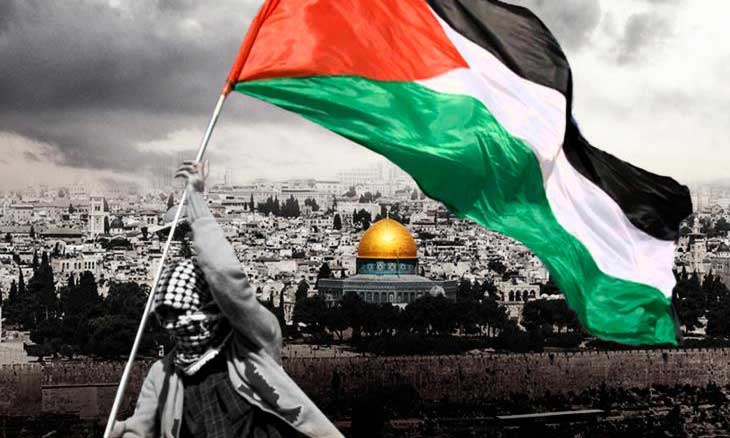
Palestinian refugees as an example. Their struggle has become iconic in the
eyes of the world because of their high spirit, sustained by their religious
conviction in eventual victory. Despite facing one of the most brutal campaigns
of ethnic cleansing and displacement in modern history, they have often moved
beyond many of the symptoms of post traumatic stress such as depression,
burnout, and total helplessness. Such symptoms have appeared more visibly in
other societies affected by war, including Western countries like Ukraine.
Faith,
therefore, provides individuals with a comprehensive psychological and
spiritual system for confronting major existential crises such as war. Patience
is one of the foundations of psychological stability, and in the Quran it is
repeatedly connected with victory and glad tidings.
“O
believers! Patiently endure, persevere, stand on guard,1 and be mindful of
Allah, so you may be successful.” (Ali Imran
3:200)
With this
spirit, Muslims did not collapse during the Battle of Uhud when the Prophet,
peace be upon him, was wounded, his tooth broken, and several companions were
martyred. They continued forward and later achieved victory in the great
expansions that followed.
Religion also
strengthens the sense of reliance upon Allah when people feel powerless before
unfolding events. It nurtures spiritual tranquility through remembrance and
worship.
“Surely
in the remembrance of Allah do hearts find comfort.” (Ar-Ra'd 13:28)
This
tranquility grows when a person feels contentment with what befalls them,
understanding life as a journey toward the Hereafter and the pleasure of Allah.
Reflecting on
the Battle of the Trench reveals how the Prophet, peace be upon him,
transformed the fear of Muslims into a different feeling that flowed among them
as solidarity, cooperation, and determined action. They took practical measures
and refused to panic despite the siege of the confederate armies. When
believers gained mastery over their hearts and certainty in Allah filled them,
victory followed.
It is this same
faith that enables Palestine to bid farewell to its martyrs each day with
burning tears mixed with words of praise and glad tidings, believing that they
are alive with their Lord and provided for. That spiritual conviction remains
the deepest source of strength for a nation that continues to resist its
enemies.
Read Also:
-
The New Face of War on Islam
-------------------------------------------------------------