









5 Reasons Behind Giancarlo Esposito's Conversion to Islam
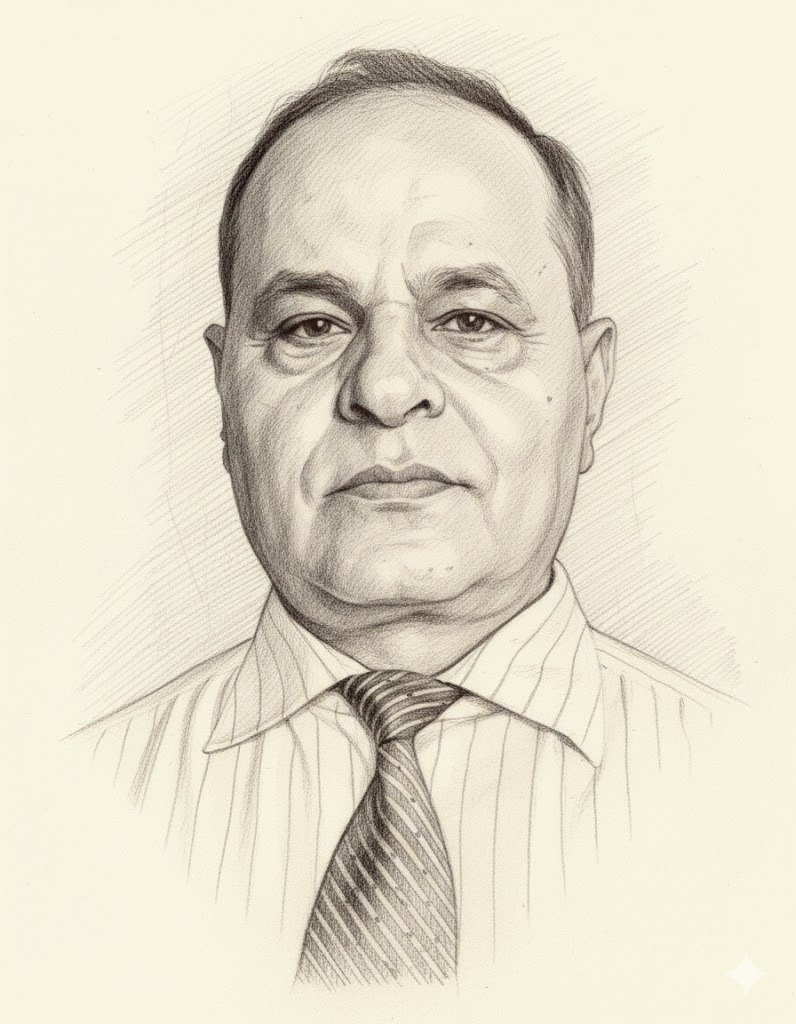
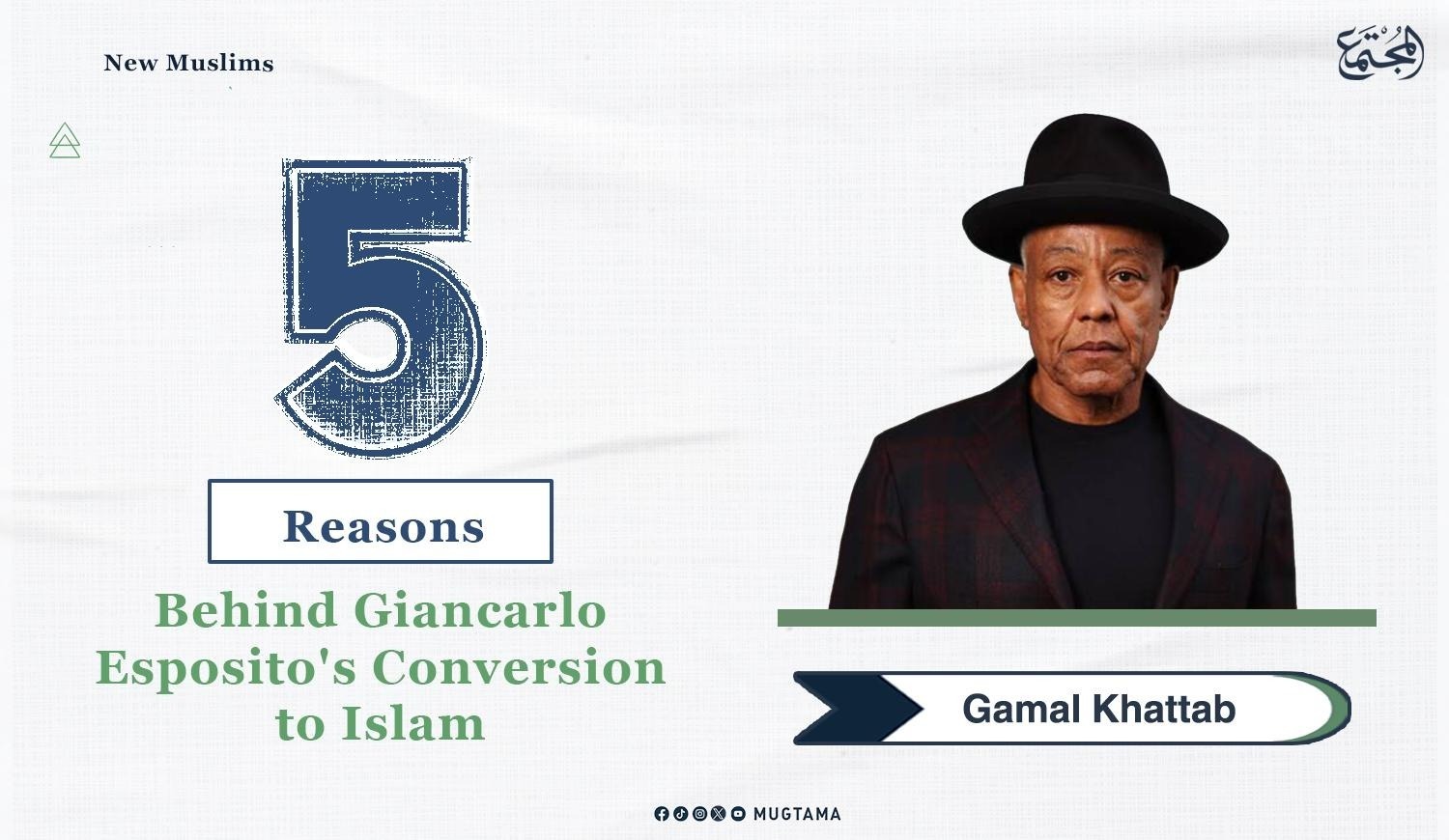
Giancarlo Esposito, the talented American actor renowned for his outstanding performances, has officially embraced Islam. This announcement, which sparked a wave of welcome across social media platforms and Hollywood circles alike, marks a significant personal chapter in the life of an actor who has spent more than four decades at the pinnacle of Western media.
Birth and Illustrious Career
Giancarlo Giuseppe Alessandro Esposito was born on April 26,
1958, in Copenhagen, Denmark, to an Italian father working as a theatrical
technician and an African American mother who was an opera singer. He moved to
Manhattan, New York, at an early age, where he made his Broadway debut when he
was only eight years old. This early immersion in the theatrical arts formed
the foundation for a career characterized by continuity, precision, and an
exceptional ability to dominate the screen.
Over decades, Esposito built a stellar reputation as a
masterful character actor, working with legendary directors such as Spike Lee
in groundbreaking films like Do the Right Thing and Malcolm X.
However, it was his television breakthrough in the late 2000s that cemented his
status as a global icon. His portrayal of Gustavo "Gus" Fring—the
stone-faced, intensely calculating drug kingpin—in AMC's critically acclaimed
drama series Breaking Bad, as well as in its equally successful prequel Better
Call Saul, earned him universal acclaim and numerous Primetime Emmy Award
nominations.
Esposito subsequently dominated contemporary popular culture,
capturing the imagination of diverse audiences, particularly through his
portrayal of the villainous Moff Gideon in the Star Wars franchise series The
Mandalorian, and the tyrannical Stan Edgar in the series The Boys.
Esposito became famous for his ability to invest his roles with gravity,
majesty, and calmness, earning him high esteem from colleagues and audiences
alike as a formidable intellectual force in the world of modern acting.
The Story of His Conversion to Islam
The culmination of Esposito's spiritual journey took place on
June 21, 2026, in Riyadh, Saudi Arabia, where he transitioned from the bustling
atmosphere of Hollywood into the expanse of faith. Esposito traveled to the
Kingdom to shoot his latest work, Seven Dogs, an action-packed thriller
film. During this intense production schedule, the veteran actor experienced a
quiet internal transformation that ultimately led him to a decisive spiritual
resolution.
In a moment that captured the hearts of millions, Esposito
recited the Shahada, testifying that there is no deity worthy of worship
except Allah, and that Muhammad is the Messenger of Allah. Shortly after his
announcement, the 68-year-old actor was spotted entering a local mosque
accompanied by members of his production crew, where he joined them in
performing congregational prayer.
Five Reasons and Motivations
While the conversions of prominent figures always arouse great
curiosity, field reports and statements from those close to the production crew
provide a clear picture of what attracted Esposito to Islam. His journey can be
summarized in five primary motivations:
1. His Impression of the Muslim Community
Esposito's journey was significantly influenced by his direct
experience of life in the Arabian Peninsula. Far removed from stereotypical or
ready-made perceptions of the Middle East, he was deeply moved by the genuine
warmth, hospitality, and generosity he encountered from the moment he arrived
in the Kingdom of Saudi Arabia. These daily cultural interactions,
characterized by a profound respect for guests, left a deep impression on the
actor's soul, shattering his preconceived notions and opening his heart to the
core Islamic values of the society.
2. A Direct Spiritual Experience
For Esposito, Islam was not merely something to be read about
in books; rather, it was a living experience through practical application.
Watching his colleagues pause their hectic film production schedules to stand
shoulder-to-shoulder in prayer aroused a profound curiosity within him. The
step of reciting the Shahada and actively participating in Islamic
rituals with his fellow Muslims in the mosque enabled him to experience the
deep serenity and structure of Islamic worship firsthand, establishing an
immediate spiritual connection.
3. A Sense of Belonging and Unity
Throughout his life in the West, Esposito lived within an
industry frequently criticized for its excessive individualism, commercialism,
and competitive isolation. In stark contrast, the Islamic framework offered him
a powerful sense of community, equality, and mutual care. He expressed his deep
appreciation for the strong sense of unity and belonging that prevails among
Muslims—a bond wherein social status, race, and Hollywood fame dissolve,
replaced by a shared brotherhood that resonates deeply with his personal
ideals.
4. Professional Collaboration
The production environment of the film Seven Dogs
served as the primary catalyst for his conversion to Islam. Working closely,
and under arduous conditions, with the local Muslim crew, actors, and directors
afforded Esposito a unique opportunity to understand how faith influences their
daily lives. He observed their patience under pressure, their ethical
dedication to their work, and how seamlessly their religious values reflected
in their integrity and kindness. This professional collaboration helped bridge
the gap between merely observing a religion and understanding its practical and
moral beauty.
5. A Period of Deep Personal Reflection
Ultimately, Esposito's transition was not the result of mere
coincidence or circumstance, but rather the fruit of a mature, deliberate
period of personal reflection regarding faith, spirituality, and the true
meaning of community in his life. At this stage of his illustrious career,
having achieved worldwide fame and material success, the actor sought a deeper
grounding for his faith. His reflection led him to discover that the
theological clarity and the emphasis on collective life in Islam provided him
with the answers and peace he had been searching for.
Widespread Reactions and Public Discourse
The public reaction to the news was instantaneous. Videos
documenting Esposito standing among the rows of a mosque in Riyadh, listening
attentively and praying peacefully alongside his film crew, spread rapidly
across platforms such as Twitter (currently known as X), Facebook, and YouTube.
For fans who only knew him through the stern, ruthless characters he portrayed
on screen, seeing the actor in a state of humility and piety was remarkably
striking and deeply moving.
The announcement sparked widespread welcome across global
media platforms. Millions of Muslims around the world welcomed the actor's
conversion to Islam with expressions of support and joy, while cinema
enthusiasts engaged in serious discussion regarding how his personal journey
might influence his future artistic choices and worldview.
This event highlights the power of personal experience and
authentic community connection in influencing profound spiritual decisions,
transcending media narratives. As Esposito continues his work on the film Seven
Dogs and transitions into this new phase of his life, his journey stands as
a testament to the idea that truth, peace, and a genuine sense of belonging can
be discovered in the most unexpected places, even under the spotlights of a
foreign film set.
Sources:
- News
Point: Giancarlo Esposito converts to Islam in Saudi Arabia
- Saudi Gazette: Giancarlo Esposito embraces Islam during stay in Saudi Arabia
