









5 Bad Habits to Avoid at Work
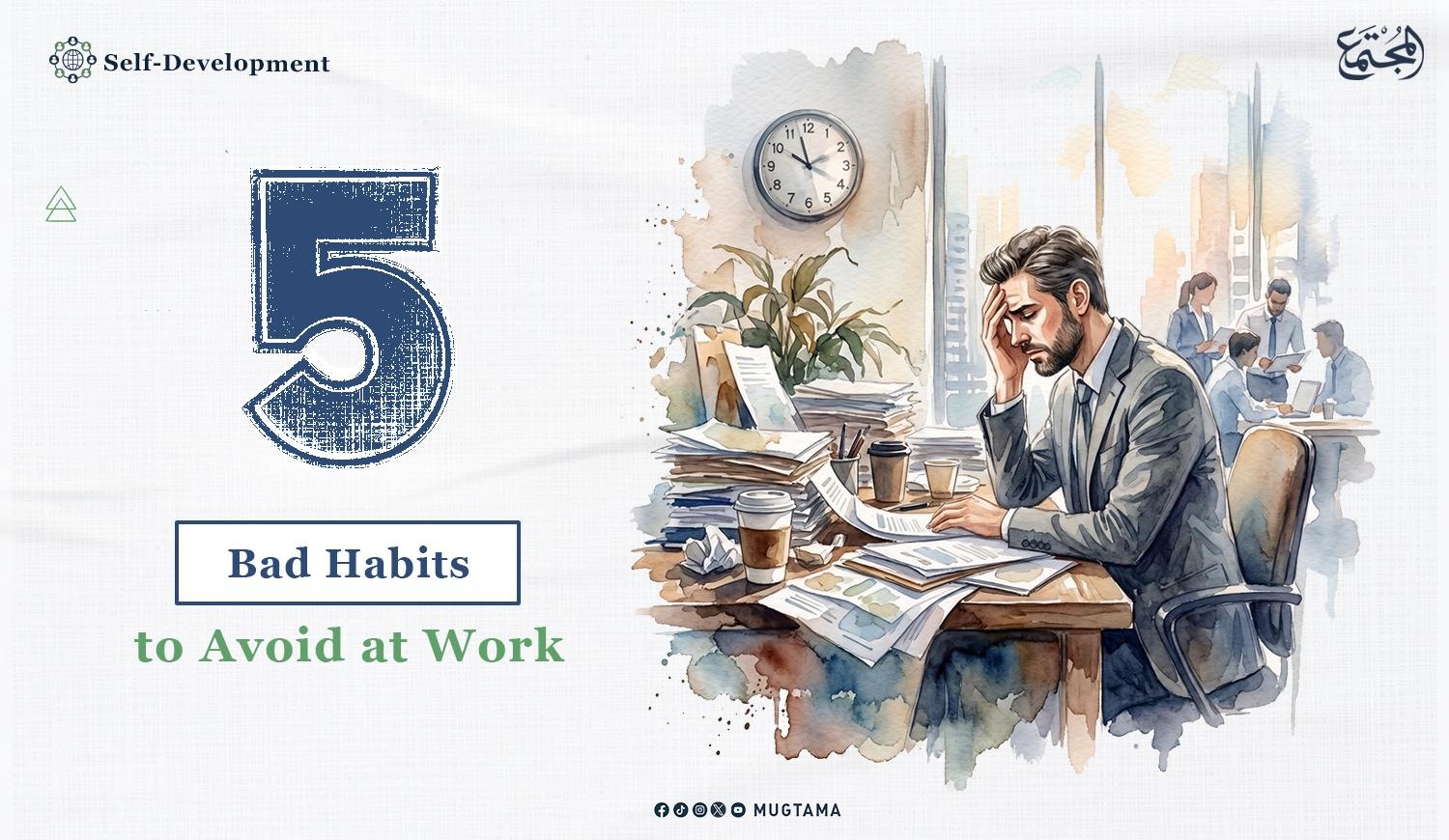
The workplace
is a true test of a person's character. It is where communication skills are
put to the test, determining whether someone stands out through constructive
engagement or retreats into isolation.
Naturally,
communication skills vary from one person to another. However, certain
behaviors should always be avoided, while others should be cultivated to create
a positive work environment that encourages productivity, collaboration, and
creativity.
When leaving a
job, it is a mistake to place all the blame on others. Wisdom requires taking
an honest look at one's own mistakes—those that may have led to
misunderstandings, reduced job satisfaction, or strained relationships with
colleagues and employers.
Experts
emphasize the importance of fostering a healthy workplace by establishing clear
communication practices, promoting mutual respect, and managing time
effectively.
Below are five
common workplace mistakes that often frustrate colleagues:
1.
Arriving Late to Work
Consistently
arriving late to work frustrates not only employers but also coworkers, who
often view repeated lateness as a sign of negligence and lack of commitment.
Over time, it creates a negative impression of your character and opens the
door to unfavorable evaluations.
More
importantly, your absence may increase your colleagues' workload, leading them
to see you as the cause of additional pressure. Eventually, they may prefer
that you leave the team—a decision an employer may find entirely justified.
2.
Delayed Responses to Messages
Some employees
appear online or active on workplace communication platforms but take a long
time to respond—or ignore internal calls and emails altogether. While these may
seem like minor details, they play a significant role in daily workplace
communication. Delayed responses can create frustration and uncertainty among
colleagues and often lead to negative assumptions, according to Time
magazine.
Erica Dhawan,
leadership expert and author of Digital Body Language, explains that
even a brief acknowledgment or quick reply demonstrates respect and strengthens
trust within a team.
3.
Creating Unnecessary Pressure
As deadlines
approach, some people repeatedly check in with their colleagues and apply
pressure before the agreed deadline arrives. Although this behavior may stem
from personal anxiety rather than bad intentions, workplace communication
experts warn that it can disrupt the team, create unnecessary stress, and leave
others feeling pressured without justification.
4.
Passing Stress on to Colleagues
Some employees
unintentionally vent their personal or family-related frustrations in front of
coworkers. This can spread tension throughout the workplace, causing colleagues
to question their reliability or assume they are using personal problems as an
excuse to avoid responsibilities. It may even affect their chances of receiving
greater responsibilities or promotions.
According to
Tessa West, professor of psychology at New York University, employees should
manage their emotions and keep personal difficulties separate from the
workplace. They often fail to realize that pessimistic comments or an agitated
tone can influence those around them and disrupt the balance of the work
environment.
5.
Noise and Disorder
Everyday
behaviors such as speaking loudly, making lengthy personal phone calls, keeping
a messy desk, maintaining a poor appearance, or wasting time should be avoided
in the workplace. Such habits distract others, reduce productivity and the
quality of work, and violate both professional etiquette and workplace
responsibilities.
Ultimately,
every person should strive to master their work, following the example set by
the Prophet Muhammad (peace be upon him), who said:
" Allah
loves that whenever any of you do something, you should perfect it." (Sahih Al-Jami`)
-------------------------------------------------------------